
Ketamine therapy is a physician-supervised treatment option for adults in the Rio Grande Valley living with depression, anxiety, or PTSD that has not adequately improved with standard care. If local resources feel limited, appointments are difficult to obtain, or symptoms continue to affect your work, relationships, or daily life, a ketamine clinic in the Rio Grande Valley, such as RGV Direct Care, may be one option to discuss with a qualified healthcare provider.
This guide explains what ketamine therapy is, who may qualify, what a session may involve, and how to find local care across South Texas.
This information is for general educational purposes only and does not replace personalized medical advice; always talk with a licensed healthcare professional about your specific situation.

What Ketamine Therapy Is and How It Works for the Brain
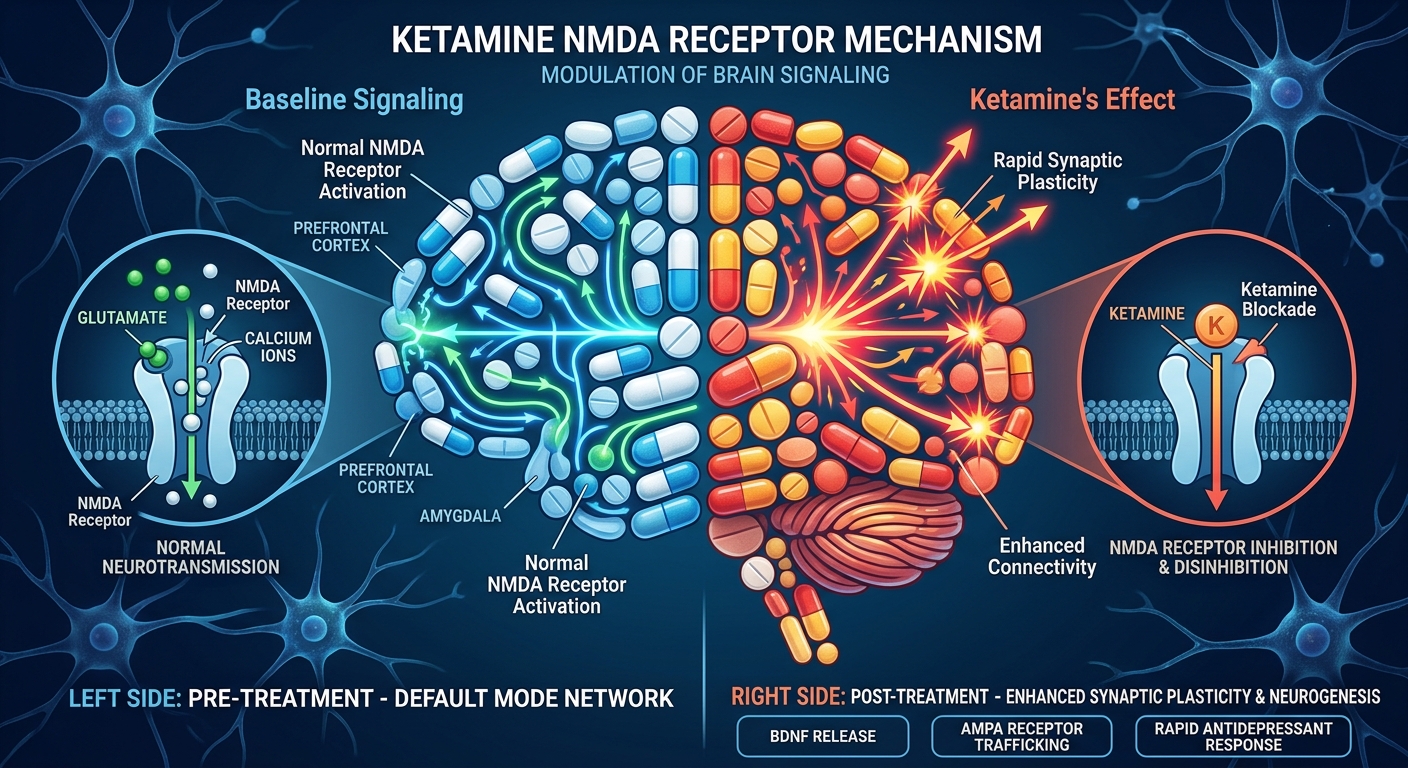
Ketamine therapy is a physician-guided treatment that uses low, carefully controlled doses of ketamine to affect brain pathways involved in mood and cognition. Ketamine has been used in medical settings for decades, primarily as an anesthetic at higher doses. In outpatient settings, lower doses are administered under close clinical monitoring.
Unlike many traditional antidepressants, ketamine acts on different receptors associated with mood regulation and neural signaling. This mechanism may influence how the brain processes certain thought patterns. Some individuals report earlier changes in symptoms compared to standard medications, while others may not experience the same effects; responses vary and outcomes are not guaranteed.
Before treatment, patients are typically evaluated to review medical history, current medications, mental health symptoms, and potential risk factors. Sessions generally include clinical supervision and monitoring of vital signs. Because ketamine can temporarily affect perception, coordination, blood pressure, and alertness, patients are advised not to drive after treatment and to arrange transportation home.
Follow-up care is an important part of the process. Clinicians may adjust the treatment plan based on response, side effects, and overall progress. Ketamine therapy is generally considered one component of a broader mental health care plan, which may include medication management, counseling, lifestyle support, and ongoing communication with a healthcare provider.
It is important to know that ketamine is FDA‑approved as an anesthetic. Its use for depression, anxiety, and PTSD is considered off‑label, meaning it is based on physician judgment and available research rather than specific FDA approval for these conditions. You can read more about how fast ketamine therapy works compared to traditional antidepressants.
Conditions a Rio Grande Valley Ketamine Clinic May Address

At RGV Direct Care Family Clinic, ketamine therapy is typically considered for adults whose symptoms have not responded adequately to standard treatments. It is not a first-line treatment and is not intended for children.
Conditions that may be evaluated include:
- Treatment-resistant depression that has not improved with medications or counseling
- Treatment-anxiety symptoms not adequately managed with standard care
- PTSD or trauma-related symptoms
- Ongoing emotional distress affecting daily functioning
- Note that ketamine is an “off-label” treatment for these mental health conditions
Many individuals who explore this option have already tried multiple approaches without sufficient improvement. Because ketamine works through different pathways, it may represent an alternative approach in select cases.
It is important to maintain realistic expectations: ketamine therapy may benefit some individuals, but it does not work for everyone and is not a standalone solution. It is typically used as part of a broader mental health care plan. Learn more in our overview of ketamine therapy in the Rio Grande Valley for treatment-resistant depression.
Who Qualifies: Candidacy and Safety Screening

Eligibility is determined through a consultation and medical evaluation. In general, candidates may include adults (18+) with depression, anxiety, or PTSD who have not responded adequately to standard treatments and are medically appropriate for supervised care.
You may be considered if you:
- Are an adult with depression, anxiety, or PTSD
- Have not had sufficient improvement with medications or therapy
- Experience symptoms that affect daily functioning
- Are medically stable for supervised treatment
- Are willing to continue ongoing mental health care
Ketamine therapy may not be appropriate for individuals with:
- Uncontrolled hypertension or significant cardiovascular disease
- Active psychosis or unstable bipolar disorder
- Conditions where blood pressure changes may increase risk
- Active substance misuse without appropriate management
- Pregnancy or inability to follow safety protocols
A thorough screening is necessary to evaluate risks and determine whether treatment is appropriate. Final eligibility is based on physician judgment.
What to Expect During a Physician-Supervised Treatment Session
If approved, treatment is provided in a controlled outpatient setting designed for monitoring and patient comfort.
A typical session may include:
- A private treatment room with a calm environment
- Administration via IV or intramuscular (IM) injection, depending on the treatment plan
- Continuous monitoring of vital signs
- A post-treatment observation period before discharge
Some patients report temporary sensations such as relaxation or detachment during treatment, which generally resolve after the session. Because effects may persist for several hours, patients are advised not to drive and to arrange transportation home. Rest after treatment is recommended. For more details, see what to expect after ketamine therapy.
Safety, Monitoring, and Integration With Ongoing Care
Ketamine therapy is administered under physician supervision with monitoring protocols intended to reduce risk. However, like any medical treatment, it carries potential risks and side effects, which are reviewed during the evaluation process. With repeated or long‑term use of ketamine, bladder/urinary symptoms have been reported. Because blood pressure can increase significantly in a number of patients, continuous monitoring of vital signs is required.
Ketamine therapy is not intended to replace ongoing mental health care. It is typically used as part of a broader treatment plan that may include psychotherapy, psychiatric care, or other medical support.
After treatment, seek immediate medical attention (call 911 or go to the nearest emergency room) for symptoms such as chest pain, severe shortness of breath, persistent vomiting, confusion, or thoughts of self-harm. Contact the clinic with any questions or concerns. This content is informational and does not replace personalized medical advice.
Please note that ketamine is a Schedule III controlled substance and has recognized potential for misuse and psychological dependence, which is one reason it is administered in a monitored medical setting with clear treatment limits and follow‑up.
Cost, Sessions, and Finding a Clinic Near You in South Texas: Ketamine Clinic in the Rio Grande Valley

Costs and the number of sessions vary depending on the individualized treatment plan developed after consultation. There is no standard protocol that applies to all patients.
RGV Direct Care Family Clinic serves patients across McAllen, Edinburg, Harlingen, and surrounding South Texas communities, providing physician-supervised care within the region.
Support may include:
- Developing a personalized treatment plan
- Explaining session procedures and expectations
- Discussing insurance and payment considerations
Conclusion
If standard treatments have not provided sufficient improvement, a consultation with a ketamine clinic in the Rio Grande Valley may be an option to explore with a qualified physician. Schedule a consultation to review your history, symptoms, and goals, and learn whether this medically supervised approach may be appropriate for your situation.
Ketamine is a prescription medication and a Schedule III controlled substance, which means it has recognized medical uses but also carries a potential for misuse and psychological dependence. When used for mental health conditions, ketamine is given at lower, carefully controlled doses in a monitored medical setting, with your vital signs and overall response checked throughout treatment. Possible side effects can include brief increases in blood pressure and heart rate, dissociation or feeling “detached,” dizziness, nausea, and fatigue; these effects are usually temporary and are discussed with you before you begin. With repeated or long‑term use, some patients may also be at risk for bladder or urinary symptoms, which is one reason treatment plans are individualized and closely supervised by a physician. Ketamine therapy is not right for everyone, and a thorough evaluation of your medical and psychiatric history helps determine whether the potential benefits outweigh the risks in your specific situation.
What is ketamine therapy and how does it work for depression and anxiety?
Ketamine therapy is a physician-guided treatment using controlled doses of ketamine to affect brain pathways involved in mood regulation. It differs from traditional antidepressants and may benefit some individuals, though responses vary.
How fast does ketamine therapy work compared to traditional antidepressants?
Some individuals report changes within hours or days, while others may not experience the same response. Outcomes vary significantly between patients.
Who qualifies for ketamine therapy at a Rio Grande Valley clinic?
Adults with depression, anxiety, or PTSD who have not responded to standard treatments may be considered, pending a full medical evaluation and physician approval.
Is ketamine therapy safe when administered at a clinic?
When provided in a monitored clinical setting with appropriate screening, ketamine therapy may be administered with safety protocols in place. However, it is not risk-free, and suitability must be determined on an individual basis.
What should I expect during a ketamine therapy session?
Sessions typically involve monitored administration in a calm setting, followed by observation. Temporary sensations such as relaxation or detachment may occur and usually resolve after treatment at RGV Direct Care, a ketamine clinic in the Rio Grande Valley.
Why is ketamine therapy considered off-label treatment, and is it still appropriate?
Ketamine is FDA-approved as an anesthetic but is used off-label for certain mental health conditions based on clinical research and physician judgment. Off-label prescribing is a common and accepted medical practice when supported by evidence and patient evaluation.