

When depression does not improve enough with medication, counseling, or a combination of treatments, patients may begin exploring other options. Ketamine for mental health treatment is one approach that may be considered for certain adults with treatment-resistant depression.
For patients and families in South Texas, the questions are often practical: Who may be a good candidate? What happens during treatment? How is safety monitored? And what should someone expect before, during, and after a ketamine session?
At RGV Direct Care Family Clinic, Dr. Fausto M. Escobedo and his team help eligible adults explore physician-supervised ketamine therapy for treatment-resistant depression, anxiety, and PTSD. The clinic serves patients in Weslaco and nearby Rio Grande Valley communities, including McAllen, Edinburg, and Harlingen.
This article provides general educational information and does not replace personalized medical advice.
How Ketamine May Help With Treatment-Resistant Depression

Ketamine is often considered when standard approaches such as medications, counseling, or a combination of treatments have not provided enough relief.
For some patients, ketamine may offer another treatment option because it works differently from many conventional antidepressants. It affects the brain’s glutamate system, which is involved in mood, memory, stress response, and communication between brain cells.
Some patients with treatment-resistant depression may notice improvement more quickly than they have with traditional medications. Ketamine has also been studied for anxiety and PTSD, and RGV Direct Care Family Clinic evaluates eligible adults with all three treatment-resistant conditions.
Rather than replacing other mental health care, ketamine may become one part of a broader treatment plan based on the patient’s individual needs.
What Makes Ketamine Different?
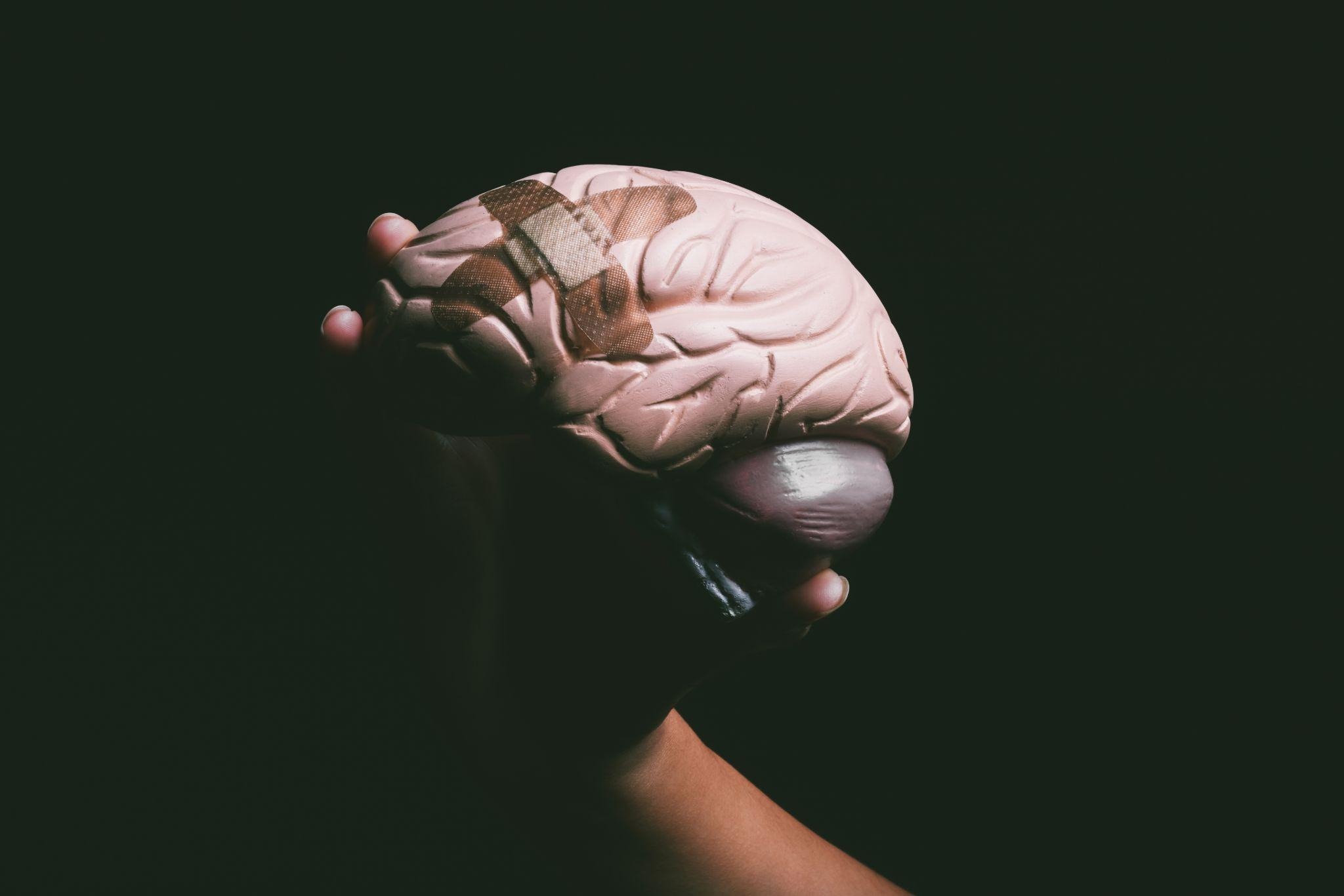
Many traditional antidepressants mainly affect neurotransmitters such as serotonin or norepinephrine. Ketamine works through a different pathway and primarily affects glutamate signaling.
Ketamine works differently from many traditional antidepressants. It acts partly on the brain’s glutamate system, including NMDA receptors. Glutamate helps brain cells communicate, and researchers are studying how ketamine’s effects on this system may influence brain signaling and neuroplasticity, or the brain’s ability to adapt and form new connections.
Some patients may notice improvement in depression symptoms within hours or days, while others may respond more gradually over several sessions. The timing and degree of improvement can vary, which is why follow-up care is important for monitoring progress and adjusting treatment when needed.
Who May Be a Candidate for Ketamine Therapy?

Determining whether ketamine for mental health treatment is appropriate starts with an individualized medical evaluation.
The care team may review a patient’s symptoms, previous treatments, current medications, mental health history, physical health, and overall treatment goals.
At RGV Direct Care Family Clinic, evaluation is intended for adults with treatment-resistant depression whose previous care has not provided sufficient relief.
Potential candidates may:
-
Have treatment-resistant depression, anxiety, or PTSD
-
Have tried appropriate medications, psychotherapy, or other treatments without enough improvement
-
Continue to experience symptoms that affect work, relationships, sleep, or daily activities
-
Are medically stable enough for outpatient treatment
-
Can follow transportation and aftercare instructions
-
Are willing to participate in follow-up care
These factors help guide the conversation, but every patient is evaluated individually.
What Happens Before Treatment?
Before beginning ketamine therapy, patients meet with the care team to review their health history and discuss whether treatment may be appropriate.
The evaluation may include questions about current symptoms, past medications, therapy, previous diagnoses, medical conditions, and other treatments the patient has tried.
This is also an opportunity for patients to ask questions about the treatment process, what a session feels like, how long appointments take, what monitoring is provided, and what follow-up care may involve.
At RGV Direct Care Family Clinic, the goal is not to rush patients into treatment. The goal is to help them understand their options and decide whether ketamine therapy fits their needs.
What Happens During a Ketamine Treatment Session?

Ketamine therapy is provided in a clinical setting where patients can be observed and supported throughout treatment.
During a session, the care team monitors the patient’s condition and may check vital signs such as blood pressure and heart rate.
Some people experience temporary effects such as relaxation, dizziness, nausea, sleepiness, or changes in perception. These effects typically occur during or shortly after treatment and are monitored by the clinical team.
Medical supervision allows the care team to respond to changes, answer questions, and make sure the patient remains comfortable throughout the session.
Why Physician Supervision Matters
Medical supervision is an important part of ketamine treatment because every patient has a different health history, medication list, and response to therapy.
At RGV Direct Care Family Clinic, treatment is provided under the supervision of Dr. Fausto M. Escobedo, who is board-certified in Family Medicine and is a member of ASKP3, the American Society of Ketamine Physicians, Psychotherapists, and Practitioners.
Dr. Escobedo’s clinical oversight helps ensure that patients receive individualized evaluation, appropriate monitoring, and care based on their specific medical and mental health needs.
For patients who have struggled to find enough relief from traditional treatments, RGV Direct Care can help them understand whether physician-supervised ketamine therapy may provide another option.
What Happens After Treatment?
Patients typically remain at the clinic for a period of observation after treatment before leaving.
Because ketamine may temporarily affect alertness, coordination, or perception, patients should follow the clinic’s transportation and aftercare instructions. A responsible adult may need to drive the patient home.
The care team may also schedule follow-up appointments to discuss how the patient is feeling, whether symptoms have changed, and whether the treatment plan should continue or be adjusted.
A medical evaluation helps the care team identify health conditions, medications, or other factors that may affect treatment. Patients should also let their healthcare provider know about any unusual or persistent symptoms after a session.
If someone is experiencing an immediate mental health crisis or is at risk of harming themselves or someone else, emergency services should be contacted right away.
Follow-up matters because ketamine treatment is not just about what happens during one session. It is about understanding the patient’s response over time.
Why Local Ketamine Care Can Help South Texas Patients
For patients in the Rio Grande Valley, receiving ketamine care closer to home can make treatment easier to manage.
Appointments, transportation, follow-up visits, and ongoing communication with the care team can all be more convenient when treatment is available locally.
RGV Direct Care Family Clinic provides physician-supervised ketamine evaluation and treatment in Weslaco for eligible adults with treatment-resistant anxiety, depression, and PTSD.
Patients from McAllen, Edinburg, Harlingen, and nearby South Texas communities can meet with the care team, review their treatment history, and learn whether ketamine may be an appropriate option for them.
Conclusion: Exploring Ketamine With the Right Medical Support

For patients who have not experienced enough relief from traditional treatments, ketamine therapy may offer another path forward.
The treatment works differently from many conventional antidepressants and may help some adults with treatment-resistant depression, anxiety, or PTSD.
At RGV Direct Care Family Clinic, patients receive individualized evaluation and physician-supervised care under Dr. Fausto M. Escobedo, a board-certified Family Medicine physician and member of ASKP3, the American Society of Ketamine Physicians, Psychotherapists, and Practitioners.
The care team can help patients understand what ketamine treatment involves, what to expect during sessions, and whether it may fit their individual need
If you are considering ketamine for mental health treatment in Weslaco or elsewhere in the Rio Grande Valley, schedule a consultation with RGV Direct Care Family Clinic to request a consultation and learn more about ketamine for mental health treatment.
What Mental Health Conditions Does RGV Direct Care Treat With Ketamine?
RGV Direct Care Family Clinic provides physician-supervised ketamine treatment for eligible adults with treatment-resistant depression, anxiety, and PTSD.
How Quickly May Ketamine Help?
Some patients with treatment-resistant depression may notice improvement within hours or days, while others may respond more gradually. The timing and degree of response differ from person to person.
What Happens During a Ketamine Session?
Patients receive treatment in a clinical setting while the care team monitors their condition and vital signs. Temporary effects such as relaxation, dizziness, nausea, sleepiness, or changes in perception may occur during treatment.
Who Oversees Ketamine Treatment at RGV Direct Care Family Clinic?
Treatment is overseen by Dr. Fausto M. Escobedo, who is board-certified in Family Medicine and is a member of ASKP3, the American Society of Ketamine Physicians, Psychotherapists, and Practitioners.
Can I Drive After Ketamine Treatment?
Patients should follow the clinic’s transportation instructions and should not drive until they have been cleared to do so. A responsible adult may need to provide transportation home.
How Do I Know if Ketamine May Be Right for Me?
A medical evaluation helps determine whether ketamine may be appropriate based on your symptoms, previous treatments, medications, health history, and individual needs.