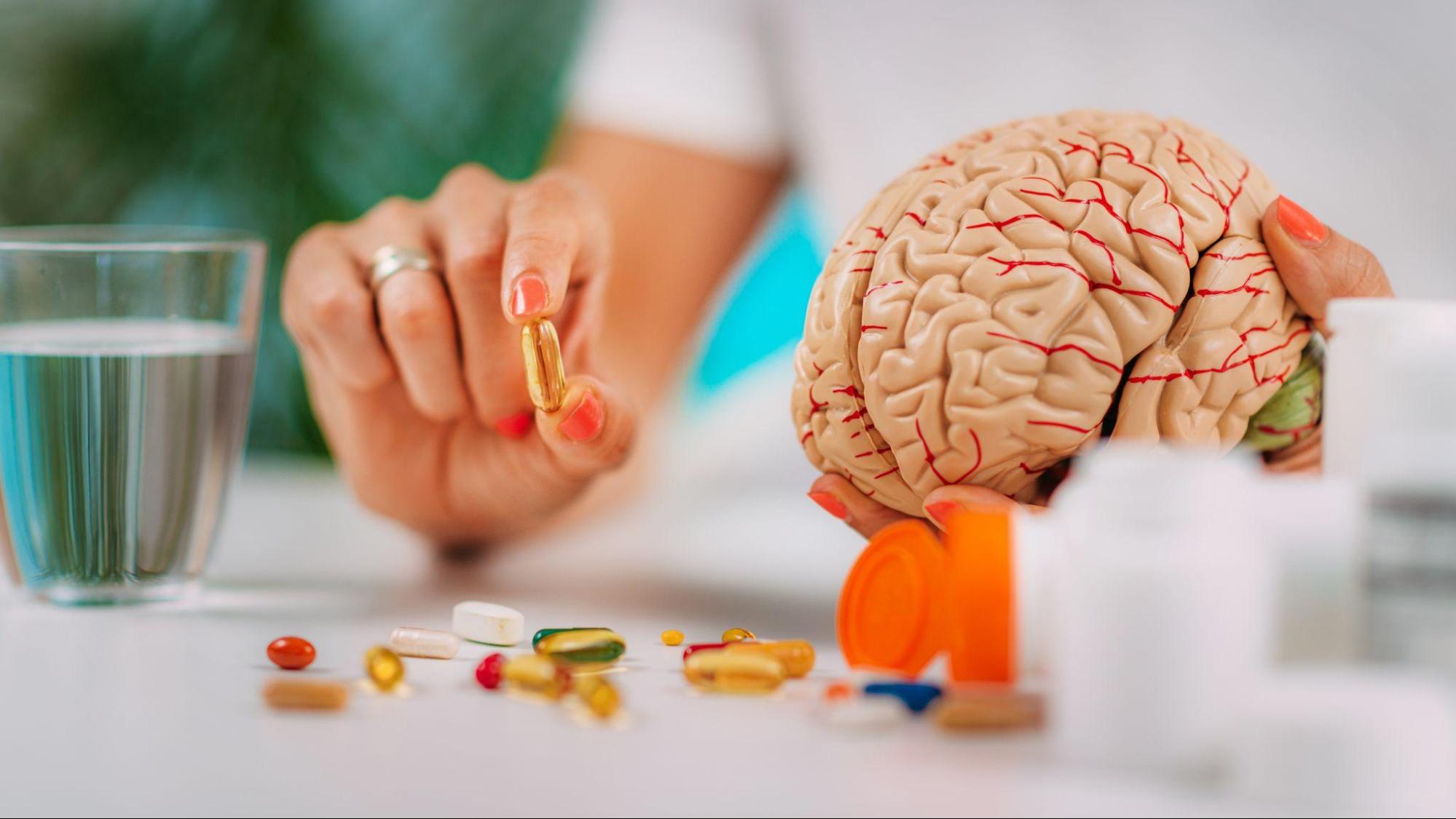
Understanding how ketamine affects the brain can make this treatment option easier to evaluate. Unlike many traditional antidepressants, ketamine primarily affects the brain’s glutamate system. Researchers believe this different pathway may help explain why some people with treatment-resistant depression experience symptom improvement more quickly.
At RGV Direct Care Family Clinic, Dr. Fausto M. Escobedo helps eligible adults explore physician-supervised ketamine therapy for treatment-resistant depression, anxiety, and PTSD. The clinic serves patients in Weslaco and nearby Rio Grande Valley communities, including McAllen, Edinburg, and Harlingen. Patients considering this option can explore physician-supervised ketamine therapy in the Rio Grande Valley and learn what the evaluation process involves.
For patients who have not found enough relief from traditional treatments, ketamine therapy may offer another option. A personalized medical evaluation can help determine whether treatment may be appropriate based on a patient’s symptoms, previous treatments, medications, and overall health.
This article is for general educational purposes and does not replace individualized medical advice.
Why Ketamine Works Differently From Traditional Antidepressants
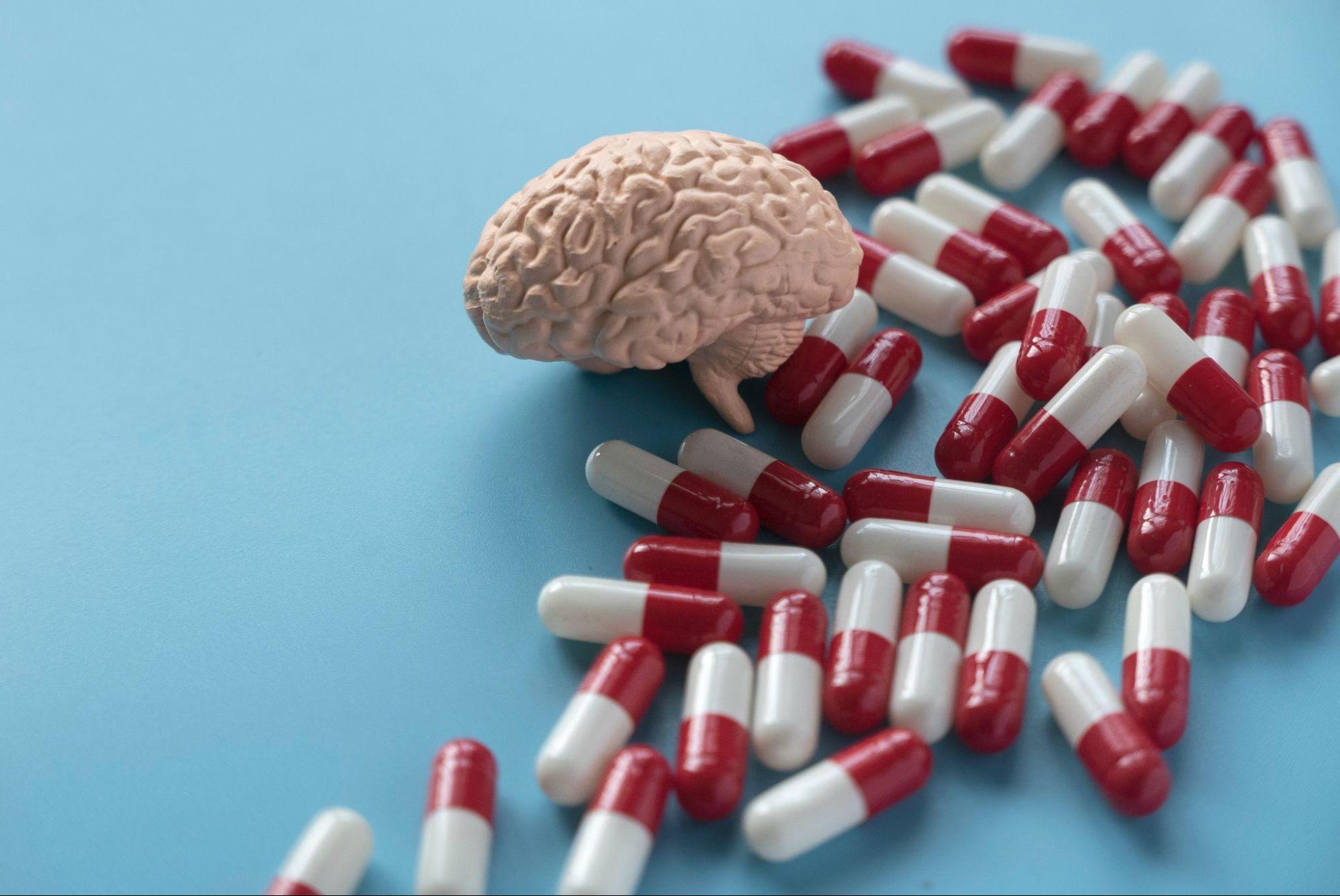
Many traditional antidepressants primarily affect neurotransmitters such as serotonin or norepinephrine and may take several weeks to produce their full effects.
Ketamine works differently. It changes signaling involving glutamate, one of the brain’s most important chemical messengers. Glutamate plays a role in mood, learning, memory, stress response, and communication between brain cells.
This different mechanism may help explain why some people with treatment-resistant depression experience improvement sooner than they have with traditional antidepressants.
At RGV Direct Care Family Clinic, eligible adults with treatment-resistant depression, anxiety, and PTSD can be evaluated to determine whether physician-supervised ketamine treatment may be a suitable option.
How Ketamine Changes Brain Signaling
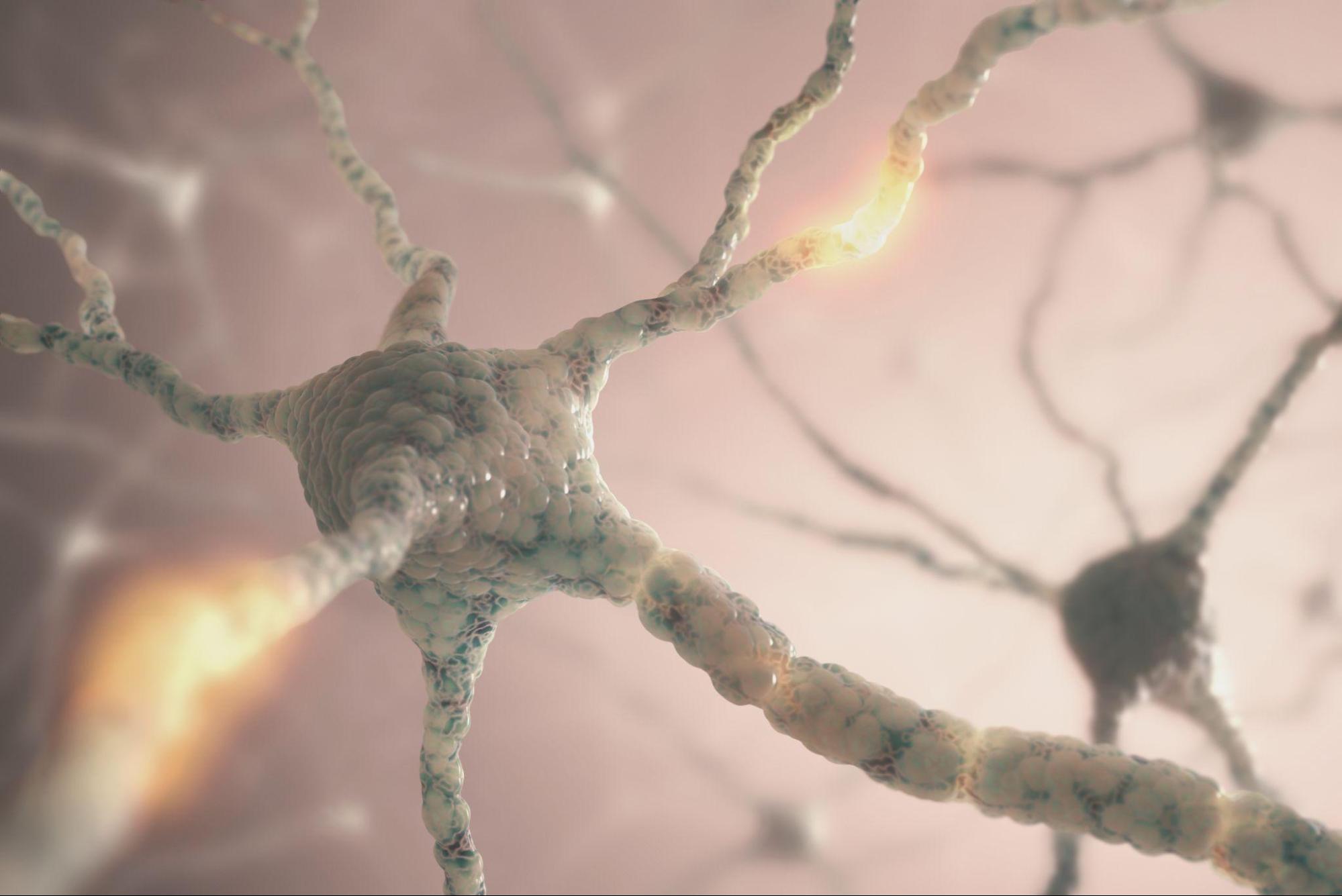
To understand how ketamine affects the brain, it helps to understand how brain cells communicate.
Neurons send messages using chemical messengers called neurotransmitters. Glutamate is one of the brain’s primary neurotransmitters and is involved in many functions related to mood, memory, motivation, learning, and emotional regulation.
Ketamine temporarily changes the way glutamate signals are transmitted in certain areas of the brain. Researchers believe these changes may help improve communication between brain cells and support processes involved in mood regulation.
Rather than working primarily through serotonin like many conventional antidepressants, ketamine influences a different signaling pathway. This is one reason ketamine may be helpful for people who have not improved enough with traditional treatments.
The National Institute of Mental Health’s overview of ketamine research explains how ketamine affects NMDA-related signaling and its potential role in treating difficult-to-treat depression.
The Role of Glutamate, NMDA, and AMPA Receptors
Ketamine affects several processes within the brain, but much of the research focuses on NMDA and AMPA receptors.
NMDA receptors help brain cells respond to glutamate. Ketamine temporarily blocks certain NMDA receptors, which can change the way glutamate signals are processed.
These changes may also increase activity involving AMPA receptors, which help transmit messages between neurons.
Researchers believe this combination may support stronger communication between brain cells and activate biological processes involved in maintaining or creating neural connections.
In simple terms, ketamine may help the brain communicate differently in ways that support healthier mood-related pathways.
The exact response can vary from person to person, which is why treatment is individualized and monitored by a healthcare professional.
How Ketamine May Support Neuroplasticity
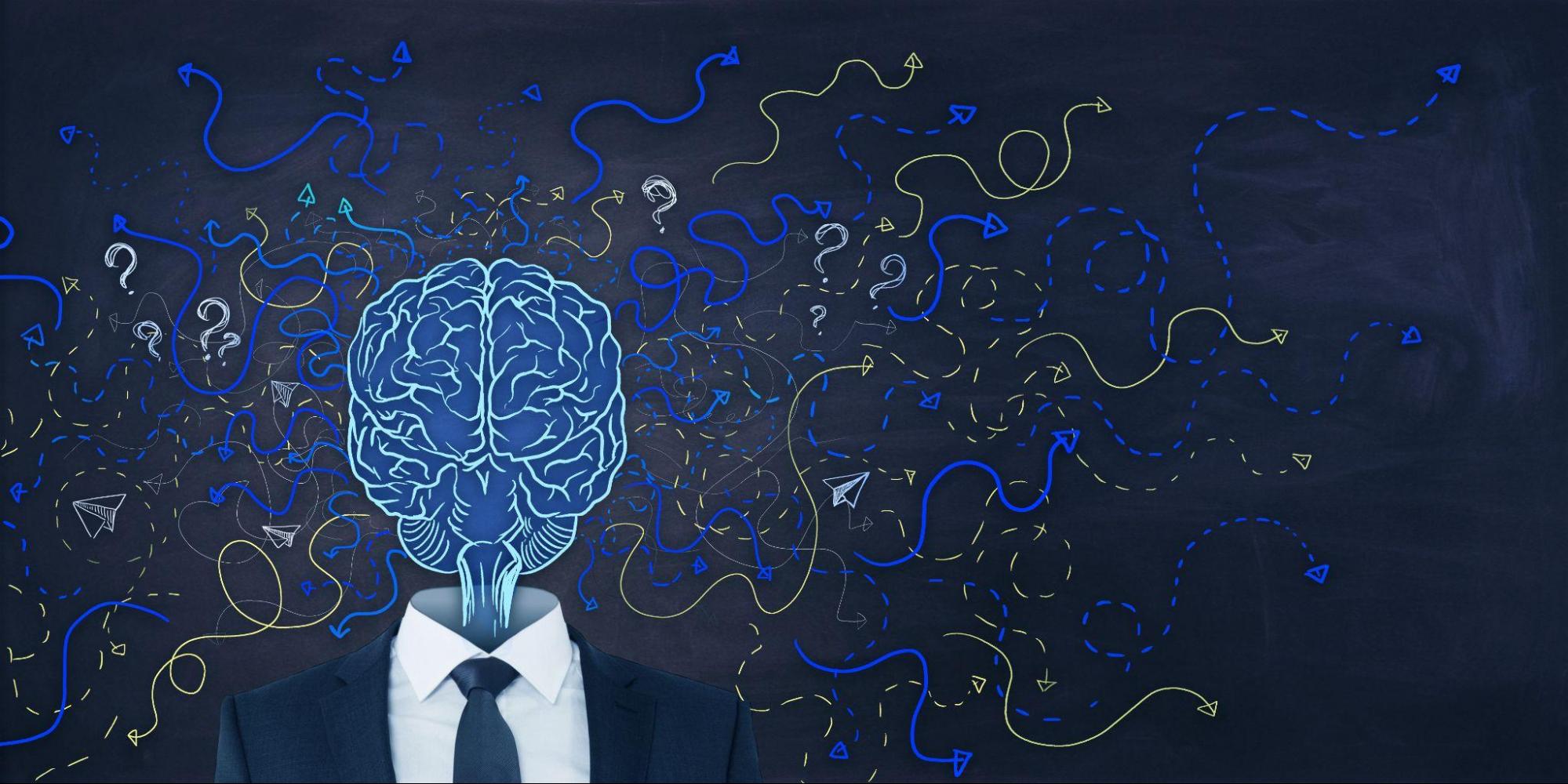
One of the most interesting areas of ketamine research involves neuroplasticity.
Neuroplasticity is the brain’s ability to adapt, reorganize, and strengthen its connections. It plays an important role in learning, memory, emotional regulation, and recovery from stress.
Long-term depression and chronic stress may affect how certain areas of the brain communicate. Research suggests that ketamine may support biological processes involved in forming and strengthening synapses, the tiny connections that allow brain cells to communicate with one another.
This may create a period in which the brain becomes more responsive to positive change.
For some patients with treatment-resistant mental health conditions, supporting neuroplasticity may help improve mood, emotional regulation, and everyday functioning as part of a broader treatment plan.
How Quickly Can Ketamine Affect Depression Symptoms?
One reason ketamine has received significant attention is the speed at which some patients may notice improvement.
Ketamine begins influencing brain signaling relatively soon after administration. In studies involving treatment-resistant depression, some patients have reported improvement within hours or days.
Possible improvements may include feeling less hopeless, managing daily activities more easily, and having fewer repeated negative thoughts. However, one treatment may not provide lasting relief. Follow-up visits help monitor mood, sleep, safety, daily activities, and overall quality of life.
Ketamine has been studied for several mental health conditions, but the research and treatment recommendations are different for each one. RGV Direct Care Family Clinic offers physician-supervised ketamine treatment for eligible adults with treatment-resistant anxiety, depression, and PTSD.
Ketamine Benefits, Side Effects, and Medical Supervision
Ketamine treatment begins with medical screening to review your health history, medications, previous depression treatments, and individual risk factors.
Some patients may experience temporary changes in perception, dizziness, nausea, relaxation, or changes in blood pressure or heart rate. These effects are monitored by the care team and typically improve as treatment wears off.
At RGV Direct Care Family Clinic, ketamine treatment is provided under the supervision of Dr. Fausto M. Escobedo, who is board-certified in Family Medicine and is a member of ASKP3, the American Society of Ketamine Physicians, Psychotherapists, and Practitioners. His clinical oversight helps ensure that patients receive individualized evaluation, appropriate monitoring, and a treatment plan based on their specific needs.
For people who have struggled to find sufficient relief through traditional approaches, RGV Direct Care Family Clinic can help them explore whether ketamine therapy may provide another treatment option. You can learn more about Dr. Escobedo and the clinic’s approach to care.
Patients should follow their clinician’s instructions before and after treatment, including arranging transportation when required and avoiding driving until they have been cleared. If someone is experiencing an immediate mental health crisis or is at risk of harming themselves or someone else, emergency services should be contacted right away.
Conclusion
Understanding how ketamine affects the brain can help explain why it may help some adults with treatment-resistant depression. Unlike many traditional antidepressants, ketamine affects glutamate, a brain chemical involved in mood and communication between brain cells. It may also support neuroplasticity, or the brain’s ability to adapt.
For patients who have not experienced enough improvement from traditional treatments, ketamine therapy may offer another path forward.
RGV Direct Care Family Clinic can help eligible adults with treatment-resistant anxiety, depression, and PTSD explore whether physician-supervised ketamine therapy may be appropriate for their needs.
If you live in Weslaco, McAllen, Edinburg, Harlingen, or nearby South Texas communities, contact RGV Direct Care Family Clinic to request a confidential consultation and learn whether ketamine therapy may be appropriate for you.
What Makes Ketamine Different From Traditional Antidepressants?
Ketamine primarily affects signaling involving glutamate, while many traditional antidepressants mainly influence serotonin, norepinephrine, or both. This different mechanism may help explain why some people with treatment-resistant depression experience improvement more quickly.
How Does Ketamine Affect Brain Signaling?
Ketamine affects NMDA receptors and changes how glutamate signals between brain cells. Researchers believe its effects also involve AMPA receptor activity and biological processes that support communication between neurons.
Does Ketamine Support Neuroplasticity?
Research suggests that ketamine may promote biological processes associated with neuroplasticity, which is the brain’s ability to adapt and reorganize its connections. These changes may help support improvements in mood and emotional regulation for some patients.
How Quickly Can Ketamine Treatment Work?
Ketamine begins affecting glutamate signaling soon after administration. Some patients with treatment-resistant depression experience symptom improvement within hours or days, although the timing and degree of response vary.
Can Ketamine Help With Anxiety or PTSD?
Ketamine has been studied for mental health conditions including anxiety disorders and PTSD. RGV Direct Care Family Clinic offers ketamine treatment for eligible adults with treatment-resistant anxiety, depression, and PTSD. A medical evaluation helps determine whether treatment may be appropriate for each patient.
Who May Be a Candidate for Ketamine Therapy?
Ketamine therapy may be considered for certain adults whose depression, anxiety, or PTSD symptoms have not improved enough with previous treatments. A clinician reviews the patient’s medical history, symptoms, medications, prior treatment response, and overall health before recommending care.
Is Ketamine Therapy Medically Supervised?
Yes. At RGV Direct Care Family Clinic, ketamine treatment is provided with medical evaluation and monitoring under the supervision of Dr. Fausto M. Escobedo, who is board-certified in Family Medicine and is a member of ASKP3, the American Society of Ketamine Physicians, Psychotherapists, and Practitioners.