The ketamine NMDA receptor mechanism helps explain why ketamine may affect depression differently and sometimes more quickly than standard antidepressants. Ketamine temporarily changes glutamate signaling, which may influence communication and adaptability between brain cells. For adults who have tried medication and counseling without enough improvement, understanding the science can make the next conversation with a clinician easier. Explore physician-supervised ketamine therapy in the Rio Grande Valley. At RGV Direct Care Family Clinic, Dr. Fausto M. Escobedo help eligible adults explore physician-supervised ketamine therapy for treatment-resistant depression, anxiety, and PTSD in Weslaco and nearby Rio Grande Valley communities. This article provides general educational information and does not replace personalized medical advice.
What NMDA Receptors Do in the Brain
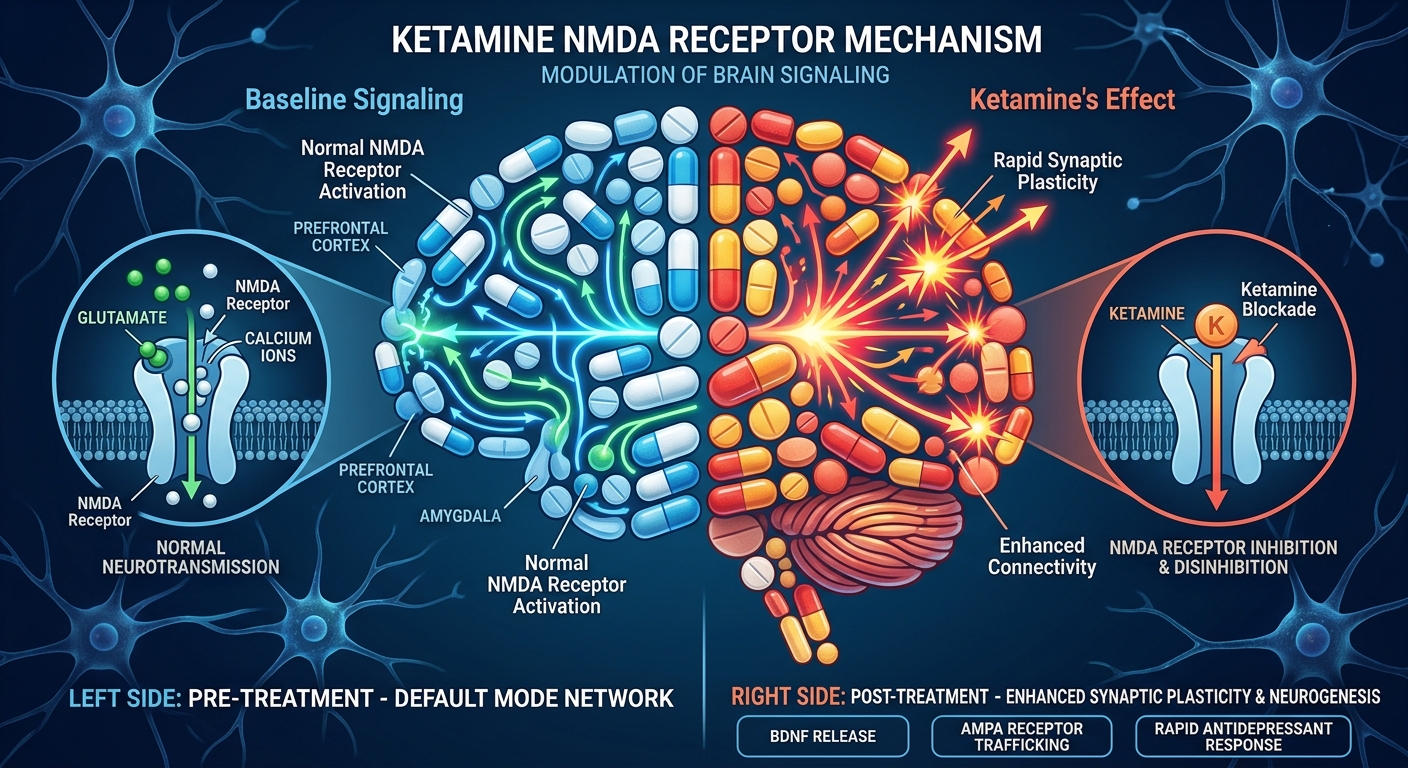
NMDA receptors respond to glutamate, one of the brain’s main chemical messengers. They help brain cells communicate and play a role in learning, memory, and synaptic plasticity, the brain’s ability to strengthen, weaken, or form connections. Research suggests that depression and chronic stress may affect communication within brain networks involved in mood, motivation, and thinking. Ketamine temporarily blocks certain NMDA receptors. This changes how glutamate signals move through specific brain pathways and can trigger other downstream effects involved in communication between neurons. Instead of simply increasing a “feel-good” chemical, ketamine influences a broader signaling system. That difference is one reason researchers have become interested in ketamine for patients whose symptoms have not improved enough with traditional treatments.
How Ketamine Changes Glutamate Signaling
At the doses used in mental health treatment, ketamine affects NMDA receptor activity and changes the way glutamate signals are processed in the brain. This shift may increase signaling through AMPA receptors, another type of receptor involved in communication between neurons. In simple terms, ketamine may help certain brain pathways communicate differently. These changes may support improvements in mood and emotional functioning for some patients. Researchers continue to study exactly which pathways are most important, but NMDA receptor activity remains one of the central mechanisms used to explain ketamine’s effects.
NMDA Receptor Blockade and AMPA Activity
When ketamine blocks certain NMDA receptors, the effect does not stop there. The change in NMDA signaling can influence how glutamate interacts with AMPA receptors. AMPA receptors help transmit signals between brain cells and may support processes involved in stronger neural communication. This matters because brain cells do not work independently. They rely on networks of signals that influence how different areas of the brain respond to stress, emotions, memories, and everyday experiences. Ketamine’s effects on NMDA and AMPA activity may help explain why some patients experience symptom improvement more quickly than they have with traditional antidepressants.The response can vary from person to person, which is why treatment is individualized and monitored over time.
The Role of BDNF and Synaptic Changes
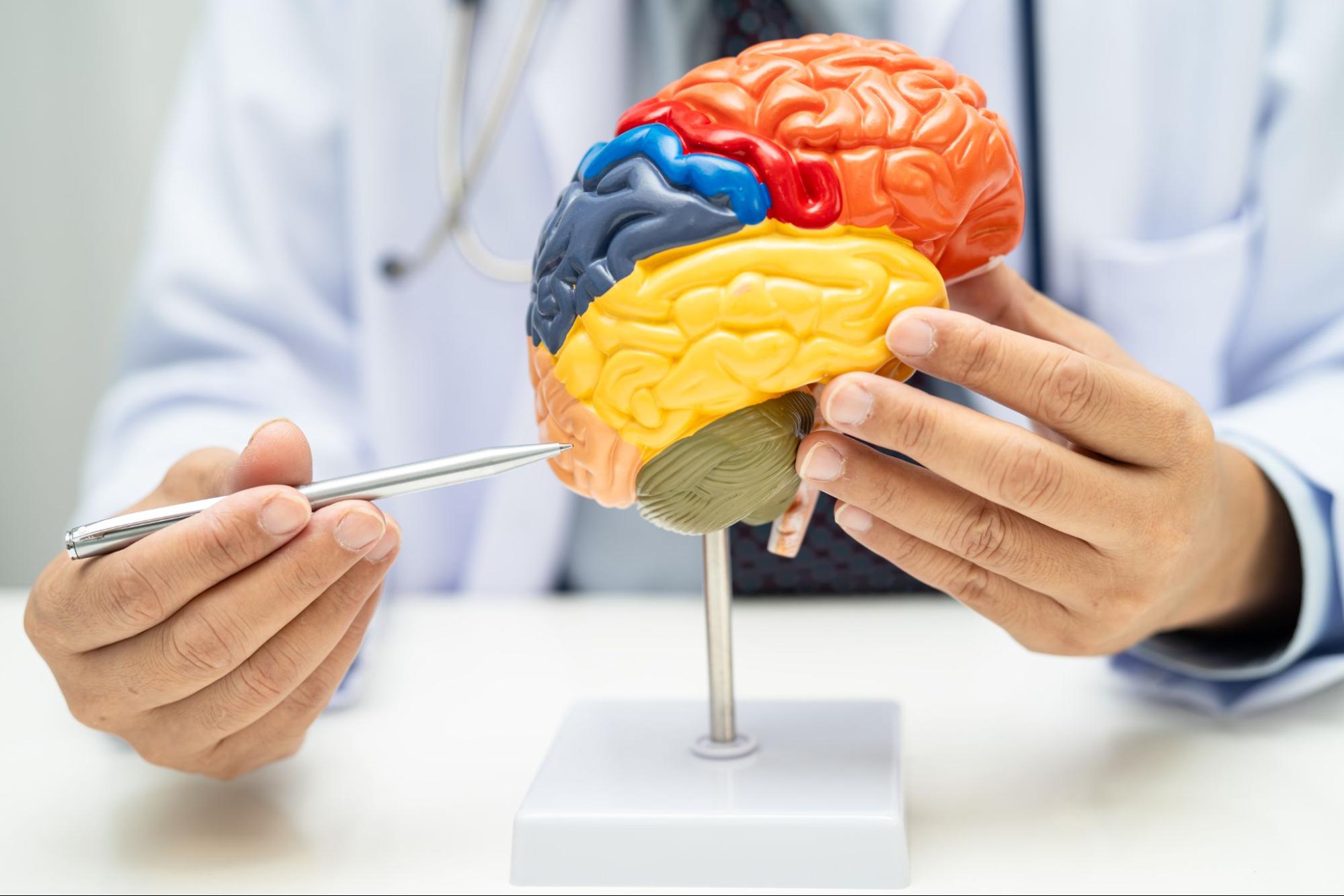
Changes in glutamate and AMPA signaling may also influence BDNF, or brain-derived neurotrophic factor. BDNF is a protein involved in the health, growth, and communication of neurons. Researchers are studying how ketamine-related changes in BDNF and synaptic activity may support healthier communication between brain cells. The National Institute of Mental Health article Cracking the Ketamine Code explains how researchers discovered ketamine’s effects on NMDA receptors and glutamate signaling. This does not mean ketamine instantly rebuilds or “rewires” the brain. Instead, it may support biological processes that help certain neural pathways become more responsive to change. That process may be especially relevant for patients whose depression symptoms have not improved enough with medications, therapy, or other standard treatments.
Why Ketamine Works Differently From Traditional Antidepressants

Many conventional antidepressants primarily affect serotonin, norepinephrine, or dopamine and may take several weeks to produce their full effects. Ketamine works through a different pathway by affecting glutamate-related signaling through NMDA receptors and downstream processes. This difference may help explain why some patients with treatment-resistant depression notice improvement within hours or days. For patients who have spent weeks or months waiting for previous treatments to help, a different mechanism may provide another option to explore with a clinician. RGV Direct Care Family Clinic can help eligible patients understand whether physician-supervised ketamine therapy may be appropriate based on their symptoms, treatment history, medications, and overall health. See what to expect from the evaluation and treatment process.
What the NMDA Mechanism Means for Treatment
Understanding the science behind ketamine can help patients see why treatment is approached differently from many standard antidepressant therapies. The goal is not simply to “block NMDA receptors.” The broader effect involves changes in how brain cells communicate through glutamate-related pathways. This is why the dose, treatment setting, clinical monitoring, and follow-up care all matter. At RGV Direct Care Family Clinic, treatment is supervised by Dr. Fausto M. Escobedo, who is board-certified in Family Medicine and is a member of ASKP3, the American Society of Ketamine Physicians, Psychotherapists, and Practitioners. Dr. Escobedo and his team can help patients understand how ketamine works, what treatment involves, and whether it may fit their individual mental health needs.
Conclusion

Understanding the ketamine NMDA receptor mechanism can help explain why ketamine works differently from many conventional antidepressants. By temporarily changing NMDA receptor activity and influencing glutamate and AMPA signaling, ketamine may support changes in brain communication that contribute to improvements in mood and emotional functioning. For some adults with treatment-resistant depression, anxiety, or PTSD, this different mechanism may provide another treatment option when traditional approaches have not provided enough relief. At RGV Direct Care Family Clinic, patients receive physician-supervised ketamine care under Dr. Fausto M. Escobedo. Patients in Weslaco, McAllen, Edinburg, Harlingen, and nearby Rio Grande Valley communities can contact the clinic to learn more about ketamine treatment and request an individual evaluation. Request a confidential, no-pressure consultation to discuss your treatment history, safety concerns, and goals with the care team.
What Is the Ketamine NMDA Receptor Mechanism?
Ketamine temporarily blocks certain NMDA receptors involved in glutamate signaling. This changes the way brain cells communicate and may influence downstream pathways involving AMPA receptors and other processes related to mood regulation.
Why Are NMDA Receptors Important?
NMDA receptors help brain cells respond to glutamate, a chemical messenger involved in learning, memory, mood, and communication between neurons.
What Role Do AMPA Receptors Play?
Changes in NMDA receptor activity may increase signaling through AMPA receptors. These receptors help transmit messages between brain cells and may support stronger neural communication.
What Is BDNF and Why Does It Matter?
BDNF is a protein that supports the health and function of neurons. Researchers are studying how ketamine-related changes in BDNF and synaptic activity may contribute to improvements in mental health symptoms.
Why May Ketamine Work More Quickly Than Traditional Antidepressants?
Ketamine affects glutamate-related pathways differently from many traditional antidepressants. This may help explain why some people with treatment-resistant depression experience improvement within hours or days rather than several weeks.
Can Ketamine Be Used for Anxiety or PTSD?
Ketamine has also been studied for anxiety and PTSD. RGV Direct Care Family Clinic provides physician-supervised ketamine treatment for eligible adults with treatment-resistant anxiety, depression, and PTSD.
Who Oversees Ketamine Treatment at RGV Direct Care Family Clinic?
Treatment is overseen by Dr. Fausto M. Escobedo, who is board-certified in Family Medicine and is a member of ASKP3, the American Society of Ketamine Physicians, Psychotherapists, and Practitioners.