
For adults who have tried traditional mental health treatments without enough relief, ketamine neuroplasticity treatment may offer a different approach. Rather than working like many conventional antidepressants, ketamine affects the brain’s glutamate system and may support processes involved in forming and strengthening connections between nerve cells..
At RGV Direct Care Family Clinic, Dr. Fausto M. Escobedo help eligible adults explore physician-supervised ketamine therapy for treatment-resistant depression, anxiety, and PTSD. The clinic serves patients in Weslaco and nearby Rio Grande Valley communities, including McAllen, Edinburg, and Harlingen.
For some patients, ketamine may provide another option when medications, therapy, or other treatments have not provided enough improvement.
This article provides general educational information and does not replace personalized medical advice.
How Ketamine May Support Neuroplasticity and Symptom Relief
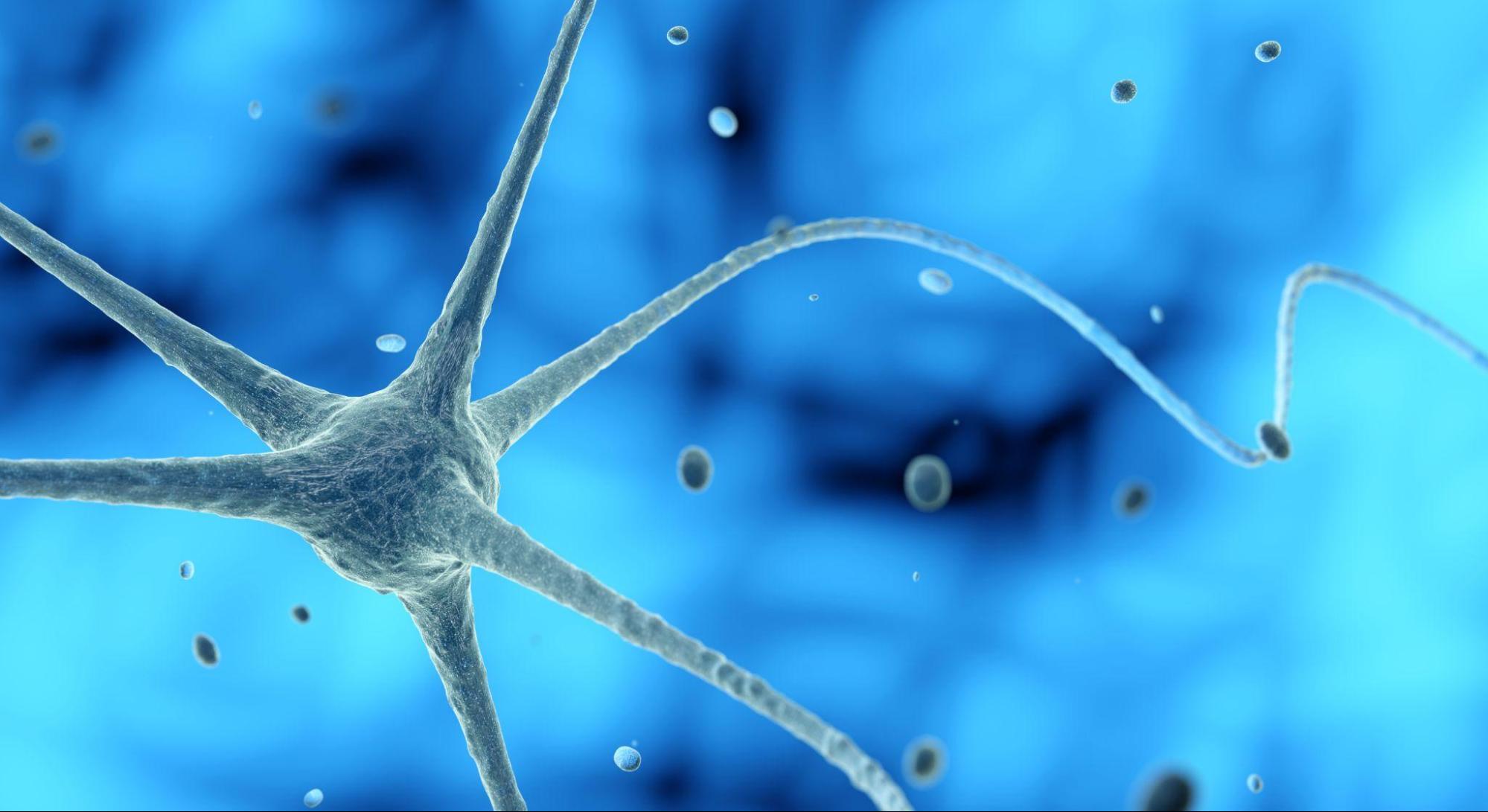
Neuroplasticity is the brain’s ability to adapt by forming, strengthening, and reorganizing connections between nerve cells.
Ketamine affects glutamate, a key chemical messenger in brain communication. Researchers believe these changes may temporarily make certain brain networks more responsive to change.
In simple terms, ketamine may help create conditions in the brain that support healthier communication between nerve cells. This may help some patients experience improvements in mood, emotional regulation, or other mental health symptoms.
Some people with treatment-resistant depression may notice improvement relatively quickly, while others may respond more gradually over several sessions. The timing and degree of improvement can vary, which is why follow-up care is important for monitoring progress.
RGV Direct Care Family Clinic evaluates eligible adults with treatment-resistant depression, anxiety, and PTSD to determine whether ketamine therapy may be an appropriate option.
What Makes Neuroplasticity Important?
Neuroplasticity plays a role in learning, memory, emotional regulation, and the brain’s ability to adapt to new experiences.
Long-term stress, depression, anxiety, and trauma-related symptoms may affect the way different areas of the brain communicate. Researchers are studying whether ketamine’s effects on glutamate signaling may support stronger or more flexible connections between neurons.
This does not mean ketamine instantly “rewires” the brain. Instead, it may support biological processes that make certain neural pathways more responsive to change.
For some patients, this period of increased flexibility may complement other parts of mental health care, such as therapy, healthy routines, and ongoing clinical support.
Who May Be a Candidate for Physician-Supervised Ketamine Treatment

Ketamine neuroplasticity treatment may be considered for certain adults with treatment-resistant depression, anxiety, or PTSD who have not experienced enough improvement with standard treatments.
A person considering ketamine may have already tried medications, psychotherapy, or a combination of approaches without the level of relief they were hoping for.
During an evaluation, the physician may consider:
- The severity and duration of depressive symptoms
- Previous medications, therapy, and treatment responses
- Current physical and mental health conditions
- Prescription medications, supplements, and substance use
- Overall treatment goals
- The patient’s ability to follow preparation and aftercare instructions
- Access to ongoing mental health support
Certain conditions may affect whether ketamine treatment is appropriate. These can include uncontrolled high blood pressure, serious heart conditions, active psychosis, unstable bipolar symptoms, pregnancy, or active substance misuse.
A medical consultation allows Dr. Escobedo to review the patient’s health history, symptoms, previous treatments, goals, and possible safety concerns. The evaluation helps determine whether ketamine may be an appropriate option, but it does not mean the patient is required to proceed with treatment.
Learn more about the clinic’s physician-led integrative model.
What to Expect During Ketamine Neuroplasticity Treatment

A ketamine treatment session is a structured medical appointment designed around the patient’s individual needs.
The treatment plan may include decisions about the dose, method of administration, number of sessions, and follow-up schedule. Patients remain in a clinical setting during treatment so the care team can monitor their response and provide support throughout the session.
Some patients may temporarily experience relaxation, dizziness, nausea, lightheadedness, changes in perception, or a feeling of detachment from their surroundings.
These effects are monitored by clinical staff, who can respond if a patient feels uncomfortable or experiences changes that need attention.
Medical Screening and Preparation Before Treatment
Medical screening helps the care team understand a patient’s overall health before ketamine treatment begins.
The evaluation may include a review of medical history, medications, cardiovascular health, mental health diagnoses, and previous treatment responses. Baseline vital signs such as blood pressure may also be checked.
Patients also receive instructions about preparing for their appointment, including eating, drinking, medications, transportation, and what to expect after treatment.
This preparation gives patients an opportunity to ask questions and helps the care team create a treatment plan that reflects their individual needs.
Monitoring, Recovery, and Ongoing Mental Health Care
During treatment and recovery, the care team monitors the patient’s vital signs and overall response.
At RGV Direct Care Family Clinic, treatment is provided by trained clinical staff under the supervision of Dr. Fausto M. Escobedo, who is board-certified in Family Medicine and is a member of ASKP3, the American Society of Ketamine Physicians, Psychotherapists, and Practitioners.
Dr. Escobedo’s clinical oversight helps ensure that patients receive individualized evaluation, appropriate monitoring, and care based on their medical and mental health needs.
After treatment, patients remain at the clinic for observation until the care team determines they are ready to leave. Patients should follow the clinic’s transportation and aftercare instructions and avoid driving until they have been cleared.
Ketamine may also be used alongside other parts of a broader mental health treatment plan, including psychotherapy, psychiatric care, healthy sleep habits, physical activity, and supportive routines.
How Ketamine May Help Support Mental Health Recovery

One reason ketamine has received so much attention is its potential to support symptom improvement more quickly than many traditional antidepressants.
Its effects on glutamate signaling and neuroplasticity may help support changes in brain communication involved in mood and emotional regulation.
For some patients with treatment-resistant depression, anxiety, or PTSD, these changes may help reduce symptoms and make it easier to engage with other parts of their mental health care.
Ketamine treatment is individualized, and the care team monitors progress over time to understand how each patient is responding and whether the treatment plan should be adjusted.
Why Physician-Supervised Care Matters
Ketamine affects both the brain and the body, so medical oversight is an important part of treatment.
Some patients may experience temporary effects such as dizziness, nausea, sedation, changes in perception, or changes in blood pressure or heart rate. These effects can be monitored and managed in a clinical setting.
Physician supervision also helps ensure that treatment decisions are based on a patient’s medical history, symptoms, medications, previous treatments, and individual goals.
For patients who have struggled to find enough relief through traditional approaches, RGV Direct Care Family Clinic can help them explore whether ketamine therapy may be another treatment option.
Conclusion

For adults considering ketamine neuroplasticity treatment in South Texas, the first step is a medical evaluation rather than a commitment to treatment. A careful assessment can help determine whether ketamine may be appropriate based on previous depression treatments, current health, medications, possible risks, and individual treatment goals.
At RGV Direct Care Family Clinic, patients receive physician-supervised ketamine care under Dr. Fausto M. Escobedo, a board-certified Family Medicine physician and member of ASKP3, the American Society of Ketamine Physicians, Psychotherapists, and Practitioners.
Patients in Weslaco, McAllen, Edinburg, Harlingen, and nearby Rio Grande Valley communities can contact the clinic to learn more about ketamine treatment and request an individual evaluation.
What Is Ketamine Neuroplasticity Treatment?
Ketamine neuroplasticity treatment refers to the use of ketamine in a medically supervised treatment plan that may support biological processes involved in the brain’s ability to adapt and strengthen neural connections.
How May Ketamine Support Neuroplasticity?
Ketamine affects glutamate signaling in the brain. Researchers believe these changes may influence processes that support communication between neurons and help the brain become more responsive to change.
Can Ketamine Help With Anxiety or PTSD?
Ketamine has been studied for anxiety and PTSD as well as depression. RGV Direct Care Family Clinic provides physician-supervised ketamine treatment for eligible adults with treatment-resistant anxiety, depression, and PTSD.
How Quickly May Patients Notice Improvement?
Some people with treatment-resistant depression may notice improvement within hours or days, while others may respond more gradually over several treatment sessions.
What Happens During a Ketamine Treatment Session?
Patients receive treatment in a clinical setting where the care team monitors their condition and vital signs. Temporary effects such as relaxation, dizziness, nausea, changes in perception, or sleepiness may occur during treatment.
Who Oversees Ketamine Treatment at RGV Direct Care Family Clinic?
Treatment is overseen by Dr. Fausto M. Escobedo, who is board-certified in Family Medicine and is a member of ASKP3, the American Society of Ketamine Physicians, Psychotherapists, and Practitioners.