
When depression, anxiety, or PTSD persists despite antidepressants and psychotherapy, it can feel exhausting and discouraging. For some adults who have completed adequate trials of standard treatments without meaningful improvement, ketamine treatment may be worth discussing with a physician. It is not usually considered a first-line treatment.
Ketamine is typically avoided or used cautiously in people with active psychosis or mania, uncontrolled high blood pressure, certain heart conditions, or a history of ketamine misuse. A responsible provider reviews your full health history and tells you plainly whether the benefits outweigh the risks for you — before offering treatment, not after.
If you’re searching for a ketamine doctor in the Rio Grande Valley, you’ve probably already tried treatments that didn’t work. This guide will help adults in McAllen, Edinburg, Harlingen, Weslaco, and surrounding South Texas communities understand candidacy, safety standards, treatment expectations, and the questions to ask when choosing a provider.
Disclaimer
This information is for general educational purposes only and does not replace personalized medical advice. Always consult a licensed healthcare professional about your specific situation.
When Ketamine Therapy May Be Considered for Depression, Anxiety, or PTSD

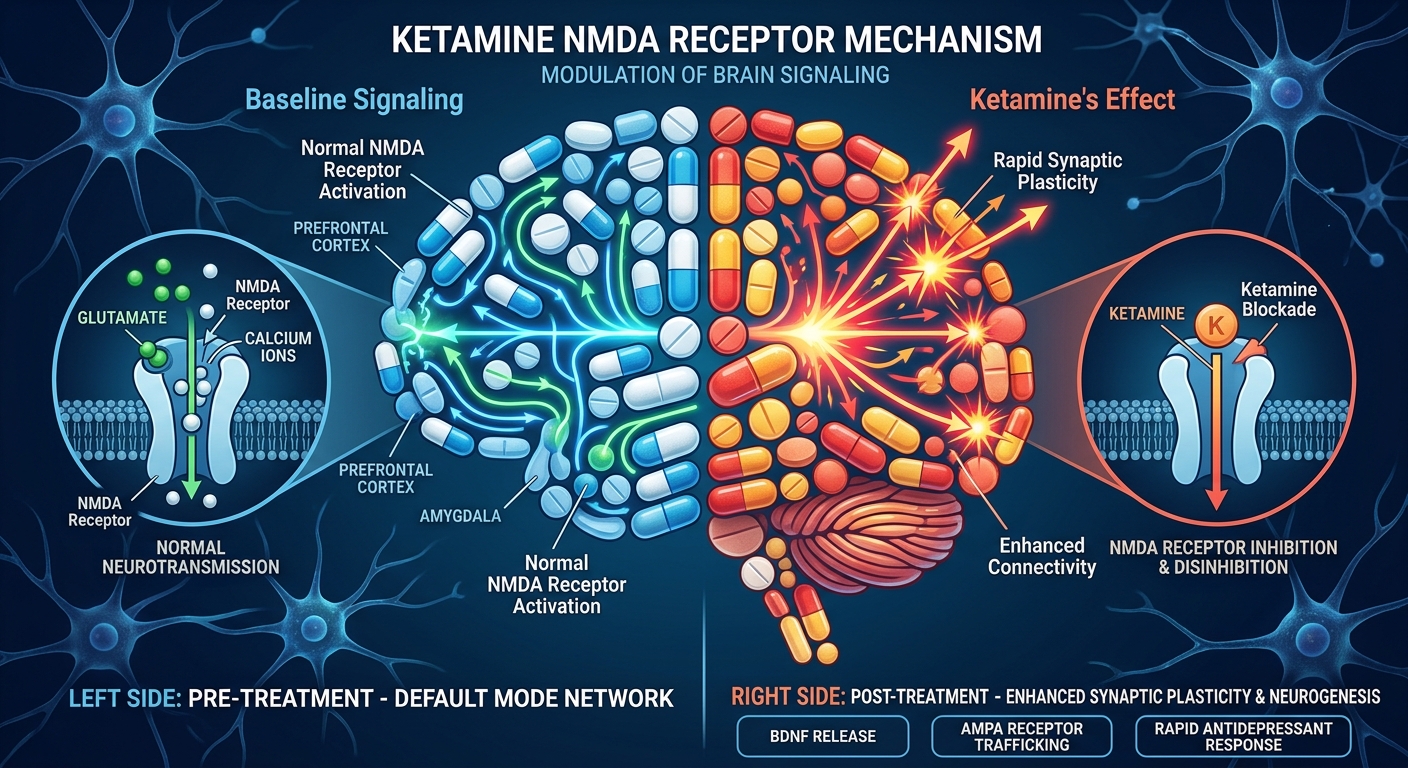
Preliminary research suggests that ketamine interacts with glutamate pathways, which scientists study for a possible role in supporting synaptic plasticity, the brain’s ability to form and reorganize connections. In some clinical studies, certain patients reported changes in symptoms within a shorter timeframe than is typical for oral antidepressants, though study designs, individual response times, and overall results vary widely. A response is not guaranteed, and outcomes differ from person to person. The National Institute of Mental Health’s overview of ketamine research provides additional scientific context.
It is important to know that ketamine is FDA-approved as an anesthetic. Its use for depression, anxiety, and PTSD is considered off-label, meaning it is based on physician judgment and available research rather than specific FDA approval for these conditions.
Patients beginning their research can review this local overview of ketamine therapy in the Rio Grande Valley.
How Physician-Supervised Ketamine Treatment Works
When choosing a ketamine doctor in the Rio Grande Valley, patients should look for physician-led screening, individualized dosing, appropriate monitoring, and clear follow-up procedures. At RGV Direct Care Family Clinic, Dr. F. M. Escobedo, a Board-Certified family physician, leads care. Dr. Escobedo reviews each patient’s medical and psychiatric history and oversees the clinic’s treatment protocols. Ketamine may be incorporated into a broader care plan that includes psychotherapy, psychiatric care, and ongoing medical support.
During each session, trained clinical staff monitor vital signs according to protocols established and supervised by Dr. Escobedo. The dose, administration method, schedule, and follow-up plan are individualized. Patients can learn more about the clinic’s physician-led treatment approach.

Who May Qualify, and Who May Need Another Treatment Approach
Potential candidates are generally medically stable adults with persistent depression, anxiety, or PTSD symptoms despite appropriate conventional care. Eligibility also depends on current medications, physical and mental health conditions, substance-use history, treatment goals, and ability to follow preparation and recovery instructions.
A consultation with a qualified ketamine doctor in the Rio Grande Valley is necessary to assess these factors and determine whether ketamine or another treatment approach is more appropriate.
What to Expect Before, During, and After a Ketamine Session
Before Treatment
Before treatment, patients receive individualized instructions about food, fluids, and medications. Prescriptions should not be stopped unless the treating clinician specifically advises it.
During the Session
During the session, trained staff monitor blood pressure, heart rate, oxygen levels, and overall response in a private clinical setting according to established clinical protocols. Temporary perceptual changes, dizziness, nausea, or feelings of detachment may occur.
After Treatment
Afterward, patients need time to recover and must arrange a ride home. They should generally avoid alcohol, driving, operating machinery, signing major documents, and making consequential decisions for the rest of the day.
The clinic also provides guidance about when to call the office or seek emergency care. This patient guide to what happens after ketamine therapy can help patients and families prepare for transportation, rest, and follow-up support.

How to Evaluate a Ketamine Doctor in the Rio Grande Valley
A trustworthy ketamine provider should be transparent about credentials, screening procedures, monitoring, side effects, costs, and emergency protocols. Safety standards should take priority over convenience, whether the clinic is in McAllen, Edinburg, Weslaco, Harlingen, or elsewhere in the Rio Grande Valley.
Warning Signs to Consider
Be cautious of guaranteed outcomes, inadequate screening, take-home ketamine without appropriate safeguards, or pressure to purchase a treatment package immediately.
The clinic’s ketamine therapy FAQ and guide explaining whether ketamine therapy is safe offer additional guidance for comparing providers.

Costs, Insurance, and Access to Treatment in South Texas
Costs depend on the administration method, number of sessions, evaluation, monitoring, and follow-up care. Because insurance often does not cover off-label ketamine treatment for mental health conditions, patients should confirm benefits with both the clinic and their insurer. Coverage for consultations or related medical services may differ from coverage for the medication or treatment session.
Choosing a local provider may reduce the cost and disruption of repeated travel to San Antonio, Houston, or another distant city. RGV Direct Care Family Clinic serves adults from McAllen, Edinburg, Harlingen, Weslaco, and neighboring communities. Patients can contact the Rio Grande Valley clinic for confidential information about scheduling, access, and payment options.
Conclusion: Taking the Next Step Toward Informed Ketamine Care
A consultation with a ketamine doctor in the Rio Grande Valley allows a physician to review your symptoms, treatment history, medications, health risks, and goals. The evaluation should give you clear information rather than a predetermined recommendation, so you can make an informed decision about ketamine care in South Texas.
Ketamine Safety and Risks
Ketamine is a prescription medication and a Schedule III controlled substance, which means it has recognized medical uses but also carries a potential for misuse and psychological dependence. When used for mental health conditions, ketamine is given at lower, carefully controlled doses in a monitored medical setting, with your vital signs and overall response checked throughout treatment. Possible side effects can include brief increases in blood pressure and heart rate, dissociation or feeling “detached,” dizziness, nausea, and fatigue; these effects are usually temporary and are discussed with you before you begin. With repeated or long‑term use, some patients may also be at risk for bladder or urinary symptoms, which is one reason treatment plans are individualized and closely supervised by a physician. Ketamine therapy is not right for everyone, and a thorough evaluation of your medical and psychiatric history helps determine whether the potential benefits outweigh the risks in your specific situation.
What Conditions May Ketamine Therapy Be Used to Treat?
Ketamine may be considered for adults with treatment-resistant depression, anxiety, or PTSD when standard medications, psychotherapy, or other appropriate treatments have not provided sufficient relief.
How Is Ketamine Therapy Supervised at RGV Direct Care Family Clinic?
Treatment is provided in a controlled clinical setting. Trained clinical staff monitor vital signs according to protocols supervised and established by Dr. Fausto M. Escobedo. Dosing and follow-up are individualized for each patient.
Who May Be a Good Candidate for Ketamine Therapy?
Potential candidates are medically stable adults with persistent symptoms despite standard care. A physician must review each patient’s medical history, medications, risks, and treatment goals before determining eligibility.
What Safety Measures Are Used During Treatment?
Trained clinical staff monitor blood pressure, heart rate, oxygen levels, and overall response according to established protocols. Patients are also screened before treatment and observed during recovery.
Is Ketamine FDA-Approved for Depression, Anxiety, and PTSD?
Ketamine is FDA-approved as an anesthetic. Its use for depression, anxiety, and PTSD is off-label and based on available evidence and a physician’s clinical judgment.
How Quickly Might Patients Notice Benefits?
In some clinical studies, certain patients reported changes in symptoms within a shorter timeframe than is typical for oral antidepressants. Individual response times and overall results vary widely, and benefits are not guaranteed.