

Patients often arrive with skepticism, confusion, and memories of rushed appointments. Physicians step into that environment with a different promise. They offer time, clarity, and a relationship people can feel. When done well, this kind of care builds something rare in healthcare, genuine trust.
Summary of key insights from the experts:
- Transparency and community engagement create early trust in unfamiliar markets.
- Unrushed care helps patients feel heard and seen.
- Consistent follow-up strengthens the relationship after the appointment.
- Accessibility and clear pricing reduce fear and confusion.
- Strong operations ensure the care experience matches the promise.
Below is a deeper look at what each expert shared and how their insights tie together into a single picture of lasting patient relationships.

How Transparency and Community Presence Strengthen Direct Care Physician Patient Trust
Niclas Schlopsna explains that trust is never automatic. It grows through clear communication, consistent actions, and a presence in the community. He describes a clinic that entered a market dominated by insurance-based expectations, where patients were used to fast appointments, unclear billing, and little personal attention. To shift that mindset, the physician took time to explain what direct care really meant. People began to see how continuity, access, and longer conversations created a different kind of healthcare experience. Over time, patients noticed the change in tone. They felt heard rather than processed.
“Trust is rarely given, it’s earned, especially in sectors where old habits dominate.”

Niclas Schlopsna, Managing Partner
Niclas highlights a strategy many direct care physicians overlook. The most powerful trust-building moments often happen outside scheduled visits. A quick follow-up call, a small community event, or a personalized reminder tells patients their wellbeing matters all week, not just during the exam. He recalls a quarterly wellness forum that brought in patients who rarely engaged before. People connected with their physician in a relaxed, conversational setting. That simple effort led to more referrals and stronger loyalty.
Transparency also plays a major role. Pricing conversations often feel tense for patients used to surprise bills. By breaking down costs and discussing options up front, the physician dismantled years of skepticism. Families began referring others because they finally felt respected and informed. These steady habits built momentum and changed the way the community viewed direct care. Niclas’s insight sets the foundation: trust grows when the physician steps out from behind the exam room door and meets patients where they live.
Why Slower, More Personal Care Rebuilds Trust in Insurance-Dominated Communities
Sovic Chakrabarti points out something many patients feel but rarely say. Most traditional medical visits feel rushed. People move through checklists. Doctors juggle documentation, coding, and insurance rules. Trust breaks down when the visit becomes a transaction. Sovic explains how direct care physicians can reverse this. When a physician slows down enough to ask real questions and remember personal details, the tone changes. Patients relax. They feel known. They feel safe.
“The familiar face, the unrushed conversation, the sense that someone is keeping an eye on your wellbeing is what slowly dissolves the skepticism built up by years of transactional healthcare.”
 Sovic Chakrabarti, Director
He also touches on the power of consistency. Patients return when they see the same doctor every time. That familiarity removes the anxiety caused by rotating providers or rushed handoffs. Sovic emphasizes that this isn’t about grand gestures. It’s about showing up in human ways. When physicians participate in local events, offer small workshops, or partner with neighborhood organizations, people begin to see them as part of the community instead of a distant service.
Transparency ties his message together. Upfront pricing and clear conversations remove confusion. People no longer worry about what a visit will cost or whether insurance will deny something later. Over months, that clarity becomes its own kind of comfort. A final piece of Sovic’s perspective is the importance of connection after the appointment. A single message or check-in can turn a routine visit into a long-term relationship. Patients feel like someone is on their side. That simple shift explains why direct care can restore trust in places where healthcare has felt impersonal for so long.
Why Genuine Connection Is the Heart of Direct Care Physician Patient Trust
Benjamin Caplan, MD, brings the discussion back to the physician’s presence. He explains that modern healthcare often centers on time limits and virtual interfaces. In that environment, direct care physicians offer something people crave. They offer genuine human attention.
“I focus on being kind, honest, and unhurried with patients, making sure they feel seen, heard, and respected rather than focusing on time or my own goals.”

Benjamin Caplan, MD, Author & Physician
His insight speaks to a universal truth. Trust grows when patients feel like individuals rather than tasks. When the physician listens without distraction, people share more openly. They describe symptoms they might have ignored before. They ask questions. They participate in their own care. That deeper dialogue improves outcomes and strengthens the relationship.
Benjamin also notes that consistency is more powerful than marketing. Patients who feel respected tell others. They return for long-term care rather than episodic visits. Direct care physicians can build these relationships because they control their schedules. They aren’t racing against insurance billing codes. This freedom shifts the dynamic from efficiency to connection.
He reminds us that emotional safety matters as much as clinical skill. In communities skeptical of new healthcare models, kindness itself becomes a differentiator. When physicians stay unhurried, patients sense that the relationship isn’t driven by quotas. It’s driven by genuine concern. That consistency creates a loop of trust that grows stronger each year.
How Accessibility and Radical Transparency Build Loyalty in Direct Care

Ishdeep Narang, MD, explains that many patients see insurance as their only gateway into care. When they first encounter direct care, they worry it might be expensive or restrictive. The way to overcome that fear is radical transparency.
“By posting clear, flat-rate pricing and discussing costs upfront, direct care providers prove that they have nothing to hide.”
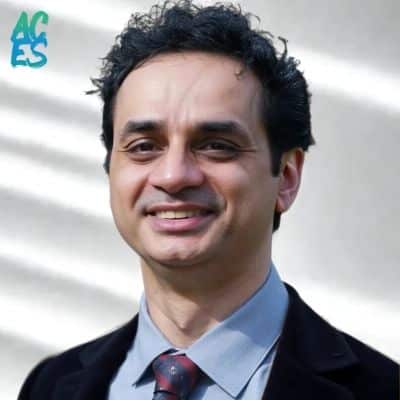
Ishdeep Narang MD, Child, Adolescent & Adult Psychiatrist | Founder
LinkedIn, ACES Psychiatry, Orlando, Florida
Ishdeep emphasizes that patients feel safer when they understand exactly what they’re paying for. Predictable monthly memberships and upfront visit costs eliminate the stress of insurance denials and surprise billing. This clarity alone builds immediate trust, especially for families who have experienced years of financial confusion in healthcare.
He also highlights accessibility. Direct care works because patients can reach their physician directly. Timely responses between visits change the relationship entirely. People who receive a quick text back from their doctor stop seeing their membership as an expense and start seeing it as reassurance. Ishdeep has found that responsiveness is often the strongest driver of retention.
He encourages physicians to engage the community beyond clinical work. Free health workshops, simple Q&A nights, or wellness classes show that the doctor’s investment is genuine. These moments of connection remind patients of the old “town doctor” dynamic, where the physician isn’t just a provider but a recognizable part of the community. That familiarity creates long-lasting loyalty that no advertising campaign can replace.
Why Strong Operations Are Essential for True Direct Care Physician Patient Trust
Tom O’Brien brings a different angle. Trust isn’t only emotional. It is also built through operations, systems, and reliability. Direct care clinics make bold promises. They promise time, access, quick communication, and transparent pricing. Those promises mean nothing if the operations behind the scenes can’t support them.
“Your clinic hours and SOPs and tech stack must support your direct personal care promise because patients should not face delayed services or lost emails or missing medical information.”
 Tom OBrien, CEO
Tom describes clinics that entered markets shaped by decades of insurance-based systems. These clinics succeeded because they offered dependable service every time. Same-day appointments, no hidden fees, consistent documentation, and communication created trust without fanfare. Word-of-mouth replaced advertising because the experience matched the promise.
His point complements every previous expert. A patient may love their physician’s kindness, transparency, and accessibility. But if the scheduling system breaks or messages disappear, trust erodes. Operational systems must protect the doctor’s ability to remain responsive and steady.
Tom reminds direct care physicians that reliability is its own form of respect. When the practice functions smoothly, patients feel secure. They know their doctor is there when needed and that their information is handled with care. Operational excellence builds the foundation for every emotional connection the physician creates.
A Final Takeaway on Physician Patient Trust

Trust grows from the combination of transparency, time, accessibility, and reliable systems. When direct care physicians show up in real ways and support those promises with strong operations, they create long-term relationships that feel personal and reliable. This is the heart of physician patient trust, and it reshapes healthcare into something people can finally count on.