
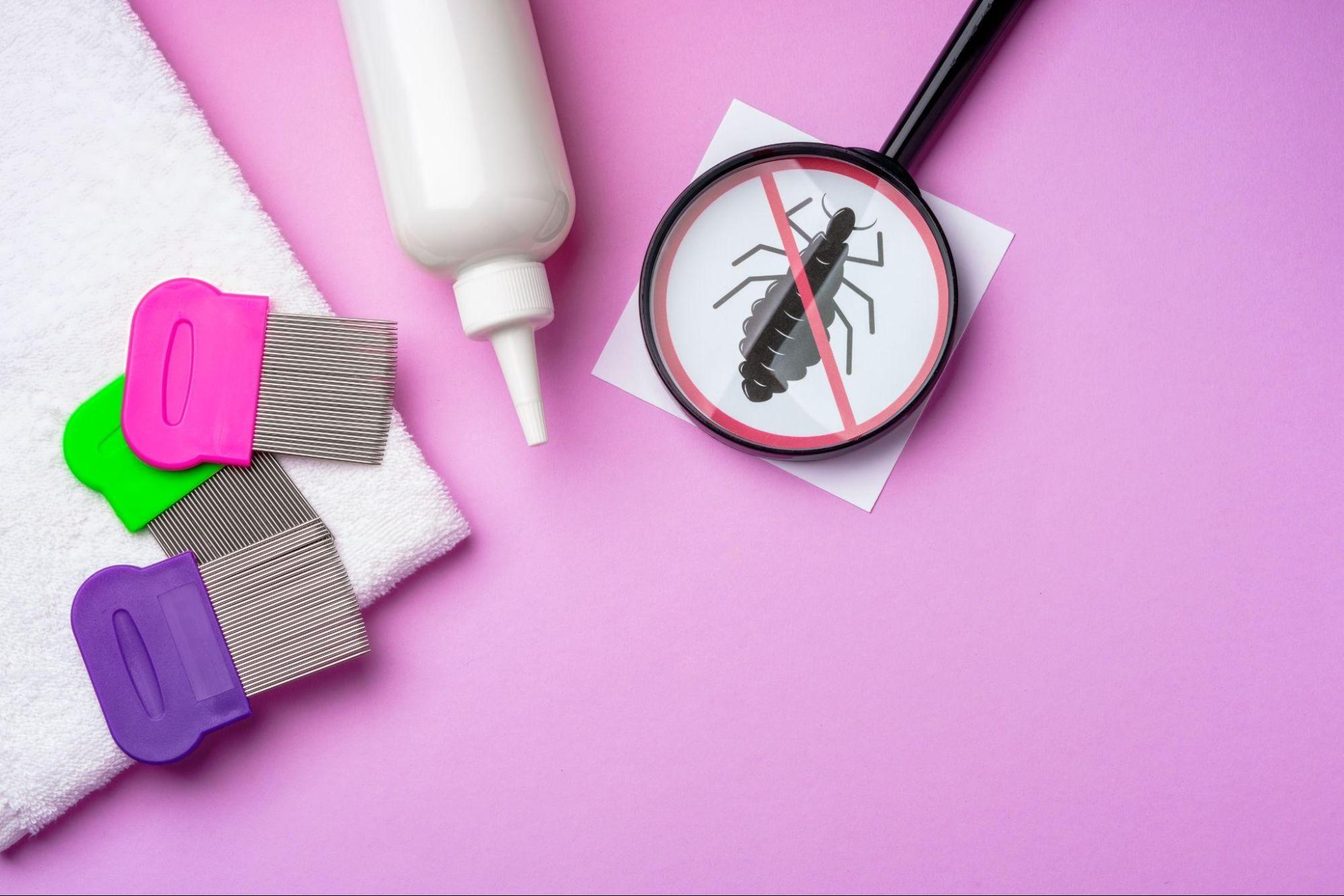
Lice egg removal takes patience, good lighting, and the right technique. Lice eggs, also called nits, attach firmly to individual strands of hair, which is why regular shampooing usually will not remove them.
The good news is that you can manage head lice with careful combing and appropriate treatment. This guide explains how to identify lice eggs, remove them safely, treat live lice, and reduce the chance of reinfestation. Families in Weslaco, Harlingen, McAllen, and throughout South Texas can follow these practical steps while avoiding potentially harmful home remedies.
How to Identify Lice Eggs and Tell Them Apart From Dandruff
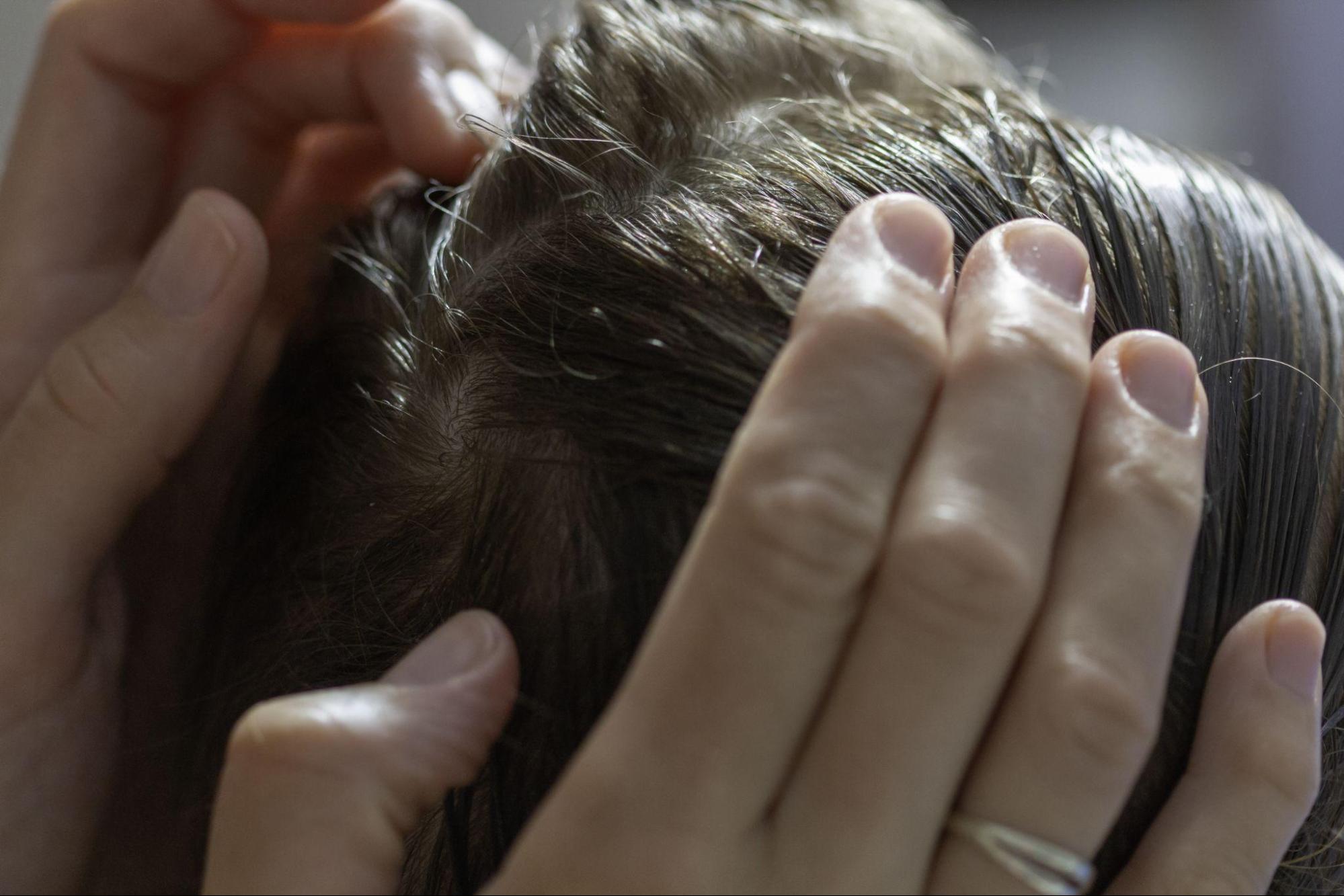
If you notice a tiny speck in the hair that will not brush away, take a closer look. Lice eggs are small, oval structures that female lice attach firmly to individual hair shafts.
Nits are often found close to the scalp, where conditions are suitable for development. They may appear tan, brown, yellowish, or translucent. After an egg hatches, the empty casing can look white or clear and may remain attached to the hair as it grows.
Dandruff is different. Skin flakes are usually irregular in shape and may look dry, powdery, or greasy. They generally move or fall away when the hair is brushed or rubbed. Hair-product residue may also resemble nits, but it usually slides along the hair. A nit tends to stay firmly attached to one side of the strand.
For a closer inspection, examine damp hair under bright lighting with a fine-toothed lice comb. A magnifying glass can also help. Pay particular attention to the areas behind the ears and around the neckline.
Finding nits does not always mean there is an active infestation, especially when they are located farther from the scalp. Finding a live, crawling louse is stronger evidence of active head lice. If you are unsure what you are seeing, or if there are scalp sores or possible signs of infection, contact a healthcare professional.
How to Remove Lice Eggs With Wet Combing
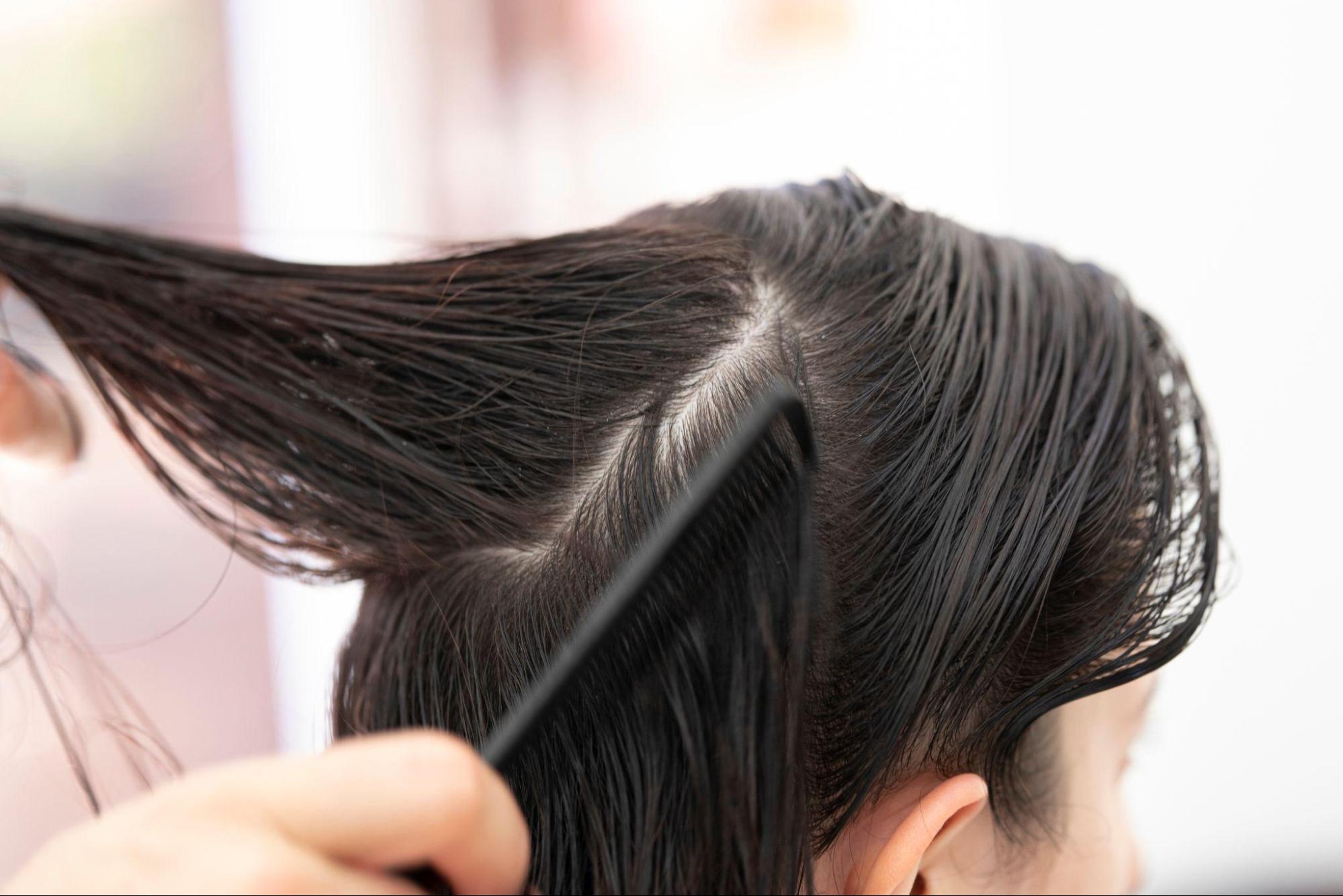
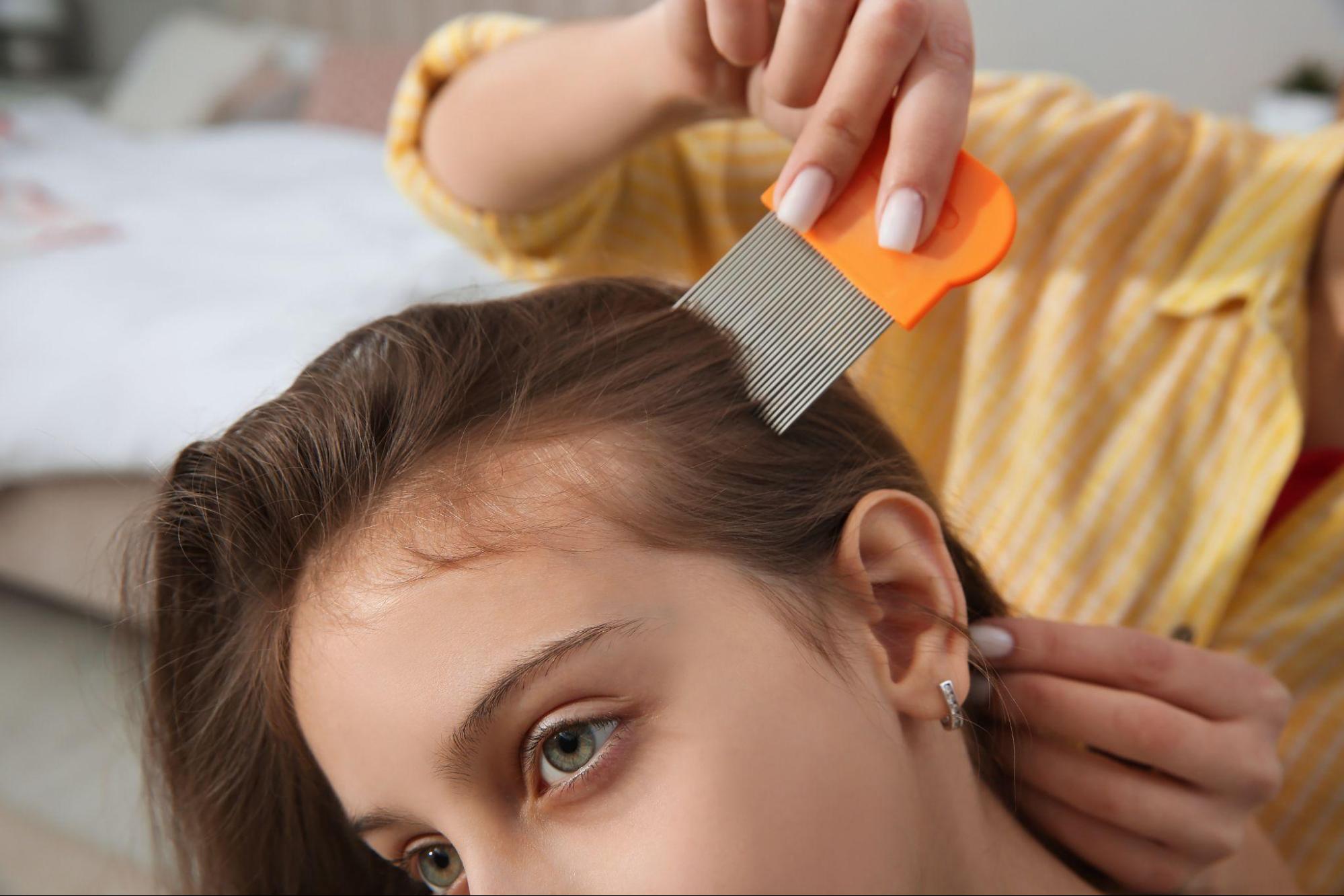
Wet combing is one of the most practical ways to approach lice eggs removal. Working through the hair in small sections makes it easier to find lice and nits without repeatedly combing the same areas.
Before starting, gather a fine-toothed metal lice comb, a regular comb, hair clips, conditioner, white paper towels, and a bowl of soapy water.
- Wet and condition the hair. Apply enough conditioner to make the hair easier to comb and reduce tangles.
- Separate the hair into small sections. Working with narrow sections makes it easier to comb thoroughly and avoid missing areas.
- Begin close to the scalp. Position the lice comb near the roots without scraping the scalp. Slowly pull it through the entire length of the hair.
- Check the comb after each pass. Wipe it on a white paper towel so lice and nits are easier to see. Rinse the comb in soapy water before continuing.
- Comb each section carefully. Pass the comb through from different directions before clipping the finished section away from hair that has not yet been checked.
Some nits may remain attached even after careful combing. For stubborn lice eggs removal, an individual nit can be gently slid down the hair strand using your fingernails or fine-tipped tweezers. There is usually no need to pull out or cut the hair.
Continue checking the hair regularly after treatment. Repeated combing can help remove remaining nits and identify newly hatched lice. Do not rely on outdoor heat, hot hair dryers, or South Texas humidity to loosen or kill lice eggs. Careful inspection and consistent combing are safer approaches.
Treating Head Lice and Preventing Eggs From Returning
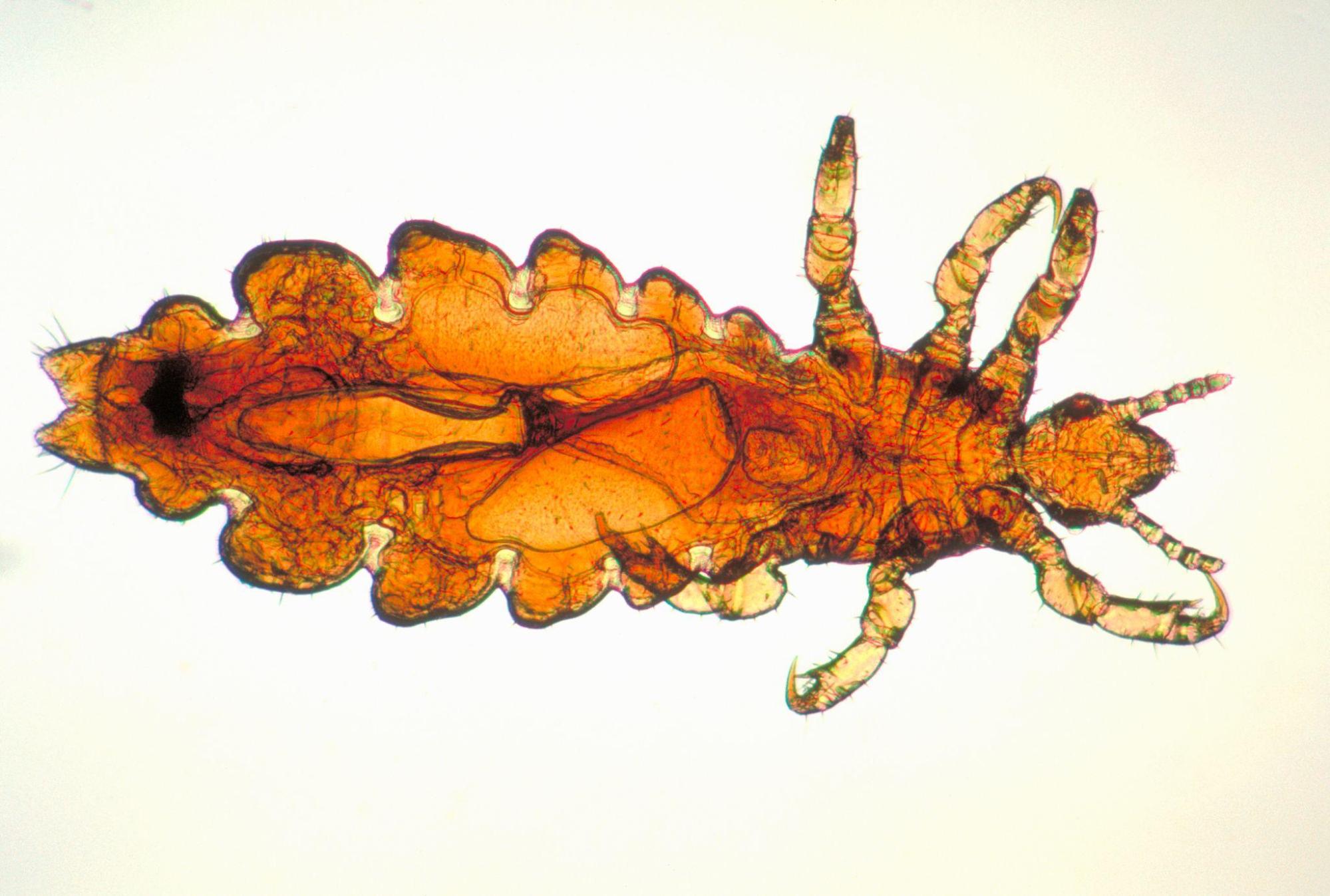
Removing nits is only part of managing head lice. If live lice are present, appropriate treatment may also be necessary.
Over-the-counter and prescription lice treatments are available. Always follow the product instructions carefully because age restrictions, application methods, treatment times, and recommendations for repeat treatment can vary.
Do not combine different lice products or apply more than directed in an attempt to make treatment work faster. Avoid kerosene, gasoline, household pesticides, excessive heat, and other potentially dangerous home remedies. Essential oils and products labeled “natural” are not automatically safe or proven effective, especially for young children.
Some lice treatments kill crawling lice more effectively than unhatched eggs. Depending on the product, another application may be recommended after eggs hatch but before the new lice mature. Follow the product label, and speak with a pharmacist or healthcare professional if you are unsure about the timing.
Professional guidance is also helpful when lice remain after correctly performed treatment, when treating a very young child, during pregnancy, or when there are concerns about which product is appropriate.
You do not need to deep-clean or fumigate your entire home. Instead, focus on practical steps that reduce the chance of lice spreading:
- Check household members for signs of head lice and treat confirmed active cases as directed.
- Avoid sharing combs, brushes, hats, hair accessories, pillows, and towels while lice are being managed.
- Wash recently used bedding, clothing, and towels according to appropriate care instructions.
- Clean combs and brushes according to public-health recommendations.
- Vacuum furniture, carpets, and car-seat headrests that have recently been in contact with the affected person’s head.
Whole-house pesticide sprays and expensive fumigation treatments are generally unnecessary for head lice. Lice crawl rather than jump or fly, and they do not survive well for long away from the human scalp.
Children can pick up lice anywhere close head-to-head contact occurs, including schools, sleepovers, sports activities, and family gatherings in Harlingen, McAllen, Weslaco, and surrounding communities. Having head lice is not a sign of poor hygiene. Calm, discreet checks can help families identify the problem and respond without unnecessary embarrassment or stigma.
Conclusion
Safe lice eggs removal starts with knowing what nits look like and removing them carefully with a fine-toothed lice comb. When live lice are present, proper treatment and follow-up checks are also important for preventing the infestation from continuing.
Skip dangerous home remedies and focus on careful combing, correctly used lice treatments, and simple household precautions. If lice continue despite proper treatment, the scalp becomes irritated or infected, or you are unsure which treatment is appropriate, a healthcare professional can help you decide what to do next.
Families in Weslaco, Harlingen, McAllen, and throughout South Texas can visit our Home page, learn more About Us, or Contact Us for additional information and healthcare support.
Frequently Asked Questions About Lice Eggs Removal
How Can I Identify Lice Eggs and Distinguish Them From Dandruff?
Lice eggs, or nits, are small and oval and stay firmly attached to individual hair strands. They are often found close to the scalp and may appear tan, brown, yellowish, or translucent.
Dandruff flakes usually move or fall away when you brush or rub the hair. Nits remain attached to the hair, making them more difficult to remove. Bright lighting and a fine-toothed lice comb can make identification easier.
What Is the Best Method for Removing Lice Eggs?
Wet combing with a fine-toothed lice comb is a practical method for lice eggs removal. Wet and condition the hair, divide it into small sections, and slowly comb from near the scalp to the ends.
Check and clean the comb after each pass. Working carefully through small sections helps prevent nits and live lice from being missed.
Why Should Lice Eggs Removal Be Combined With Treatment for Live Lice?
Removing visible nits does not necessarily eliminate live lice. When active head lice are confirmed, an appropriate over-the-counter or prescription treatment may be needed in addition to combing.
Some products may also require a second application. Always follow the instructions for the specific treatment rather than applying additional doses on your own.
Can I Remove Lice Eggs by Pulling or Cutting the Hair?
Cutting or pulling out the hair is usually unnecessary. Nits that remain after wet combing can often be gently moved down the hair strand using fingernails or fine-tipped tweezers.
Taking your time and working in small sections can make the process easier without unnecessarily damaging the hair.
How Can I Prevent Lice Eggs and Live Lice From Returning After Treatment?
Continue checking the hair after treatment and follow any retreatment instructions provided with the lice product. Household members should also be checked so active cases can be identified.
Avoid sharing items that touch the hair, such as brushes, combs, hats, and hair accessories. Clean recently used bedding, clothing, brushes, and combs appropriately. Extensive home fumigation is generally unnecessary because head lice do not survive well away from the human scalp.