
Ketamine affects brain signaling differently from many conventional antidepressants. Understanding ketamine brain receptor effects can help explain why some adults with treatment-resistant depression may notice improvement more quickly than they have with traditional treatments.
At RGV Direct Care Family Clinic, Dr. Fausto M. Escobedo and his team help eligible adults explore physician-supervised ketamine therapy for treatment-resistant depression, anxiety, and PTSD. The clinic serves patients in Weslaco and nearby Rio Grande Valley communities, including McAllen, Edinburg, and Harlingen. Patients can review RGV Direct Care Family Clinic’s ketamine program before requesting an evaluation.
For patients who have not found enough relief from medications, counseling, or other traditional treatments, ketamine may offer another option. A medical evaluation helps determine whether treatment may be appropriate based on each patient’s symptoms, treatment history, medications, and overall health.
This article provides general educational information and does not replace an individual medical evaluation.
How Ketamine Differs From Conventional Antidepressants
Selective serotonin reuptake inhibitors, or SSRIs, change how serotonin works between brain cells. Other antidepressants affect different brain chemicals, such as norepinephrine or dopamine. These medications often take several weeks to show how well they are working.
Ketamine works differently. It primarily affects glutamate, an important chemical messenger that helps brain cells communicate and plays a role in mood, memory, learning, and stress response.
Ketamine temporarily changes glutamate activity in parts of the brain involved in mood and emotional regulation. This is one reason ketamine may be helpful for people who have not improved enough with traditional treatments.
For some patients with treatment-resistant depression, these changes may contribute to improvement within hours or days rather than weeks.
NMDA receptors: Ketamine’s Primary Target
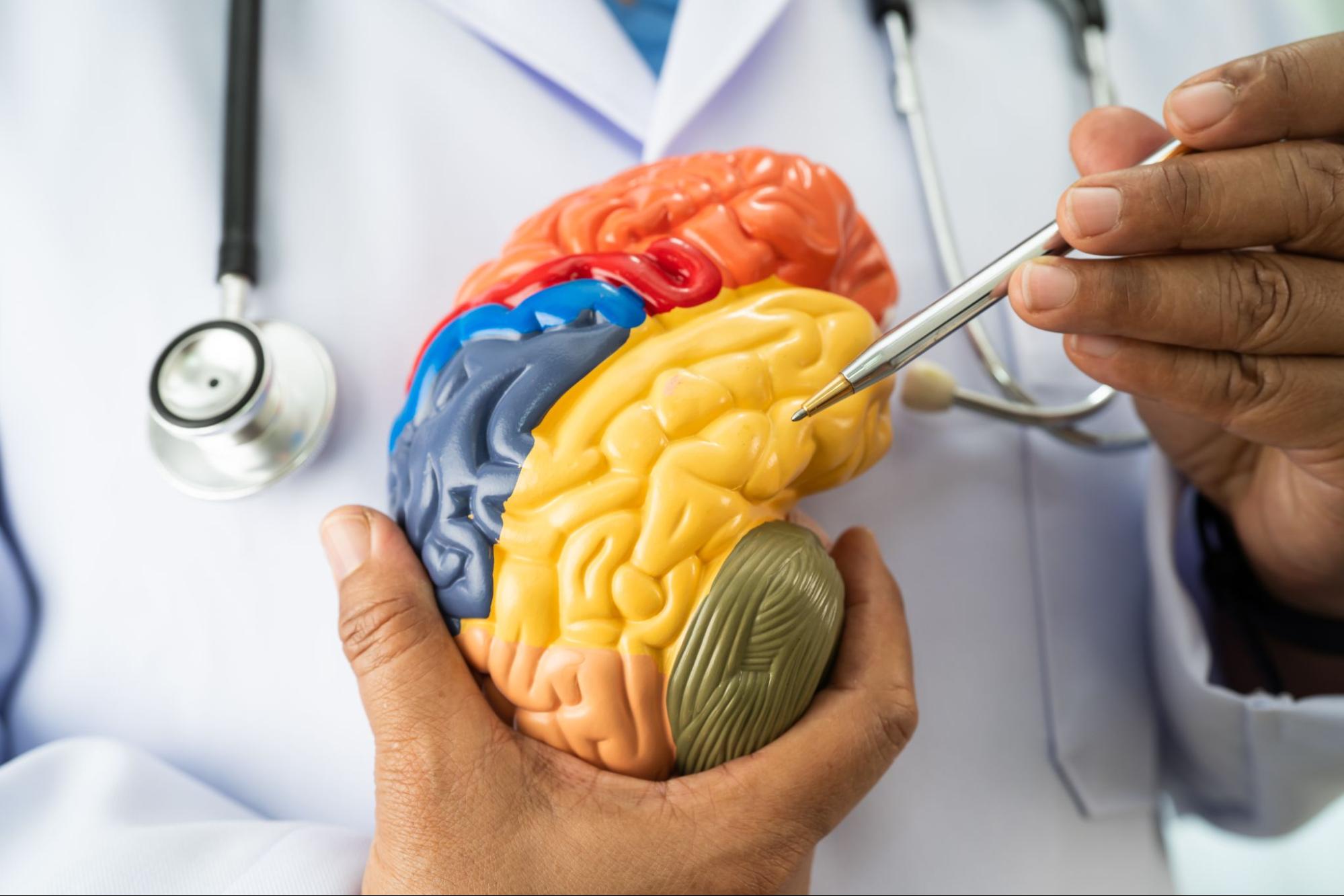
One of the main ways ketamine affects the brain is through a glutamate receptor called the N-methyl-D-aspartate receptor, or NMDA receptor.
Receptors help brain cells receive and respond to chemical signals. Ketamine temporarily reduces activity at certain NMDA receptors, which changes the way glutamate signals move between brain cells. These changes may also influence other pathways involved in mood and neural communication.
Researchers continue to study exactly how these receptor effects lead to improvements in mental health symptoms, but the connection between ketamine, glutamate signaling, and NMDA receptors is an important part of understanding how the treatment works.
The Role of AMPA Receptors
Ketamine’s effects do not stop at NMDA receptors.
Changes in glutamate signaling may also increase activity through AMPA receptors, another type of receptor involved in communication between brain cells.
Researchers believe this AMPA activity may help support processes related to stronger neural connections and neuroplasticity, which is the brain’s ability to adapt and reorganize.
This combination of NMDA and AMPA receptor activity may help explain why ketamine can work differently from many traditional antidepressants. Research continues to explore how these pathways contribute to changes in mood and emotional functioning.
How Quickly Ketamine May Work
One reason ketamine has received so much attention is the speed at which some patients may notice improvement.
Research involving treatment-resistant depression has found that some patients experience changes in symptoms within hours or days. This is much faster than many conventional antidepressants, which may take several weeks to produce their full effects. The National Institute of Mental Health discusses ketamine’s rapid antidepressant effects in people whose symptoms did not improve enough with previous treatments.
Patients may notice improvements such as feeling less hopeless, having fewer persistent negative thoughts, or finding it easier to participate in everyday activities.
The timing and amount of improvement are different for each person, which is why follow-up care is an important part of treatment.
What Ketamine Brain Receptor Effects May Mean for Mental Health

Research into ketamine brain receptor effects has focused heavily on treatment-resistant depression, where ketamine has shown rapid antidepressant effects in some patients.
Ketamine has also been studied for other mental health conditions, including anxiety and PTSD. Research and treatment approaches may differ by condition, but ketamine is increasingly being explored as an option for patients whose symptoms have not improved enough with traditional care.
RGV Direct Care Family Clinic treats eligible adults with treatment-resistant depression, anxiety, and PTSD.
For these patients, ketamine may provide another treatment option when medications, therapy, or other standard approaches have not provided enough relief.
What a Medical Evaluation May Cover

Before beginning ketamine therapy, patients typically undergo a medical evaluation so the care team can understand their symptoms, health history, current medications, and previous treatments.
The evaluation may include a review of mental health history, physical health, prescriptions, supplements, and other factors that may affect treatment.
This process helps the clinician create a treatment plan based on the patient’s individual needs and determine whether ketamine may be an appropriate option.
Why Local Screening and Follow-Up Matter
Ketamine treatment involves more than the treatment session itself. Evaluation, monitoring, and follow-up care all help patients receive treatment in a structured clinical setting.
For adults in the Rio Grande Valley, receiving care closer to home can also make it easier to attend appointments, arrange transportation, and continue follow-up care.
At RGV Direct Care Family Clinic, ketamine treatment is provided in a physician-supervised clinical setting under the care of Dr. Fausto M. Escobedo, who is board-certified in Family Medicine and is a member of ASKP3, the American Society of Ketamine Physicians, Psychotherapists, and Practitioners.
ASKP3 is a professional organization focused on the safe and ethical clinical use of ketamine for mental health and pain conditions.
Dr. Escobedo and his team can help patients understand the treatment process, answer questions, and determine whether ketamine therapy may be appropriate for their individual needs.
Conclusion

Ketamine affects brain signaling differently from many traditional antidepressants. Its effects on glutamate, NMDA receptors, and AMPA receptors may help explain why some patients with treatment-resistant depression experience improvement more quickly.
Researchers continue to study how these receptor pathways may support changes in mood, emotional regulation, and neuroplasticity.
For people who have not experienced enough improvement with traditional treatments, ketamine therapy may offer another path forward.
Adults in Weslaco and other Rio Grande Valley communities who are considering ketamine therapy can contact RGV Direct Care Family Clinic to request an individual evaluation.
What Receptors Does Ketamine Affect?
Ketamine primarily affects NMDA receptors within the brain’s glutamate system. Its effects may also increase signaling through AMPA receptors, which are involved in communication between brain cells and processes related to neuroplasticity.
How Quickly May Ketamine Affect Depression Symptoms?
Some adults with treatment-resistant depression may experience improvement within hours or days. The timing and amount of improvement vary from person to person.
Can Ketamine Help With Anxiety or PTSD?
Ketamine has also been studied for anxiety and PTSD. RGV Direct Care Family Clinic offers physician-supervised ketamine treatment for eligible adults with treatment-resistant anxiety, depression, and PTSD.
Why Are NMDA and AMPA Receptors Important?
NMDA and AMPA receptors are involved in glutamate signaling between brain cells. Ketamine’s effects on these receptors may help change communication between neurons and support biological processes involved in mood regulation and neuroplasticity.
What Happens During a Ketamine Evaluation?
A medical evaluation may include a review of symptoms, treatment history, medications, physical health, and mental health history. This helps the clinician determine whether ketamine may be an appropriate treatment option and create an individualized care plan.
Who Oversees Ketamine Treatment at RGV Direct Care Family Clinic?
Ketamine treatment is overseen by Dr. Fausto M. Escobedo, who is board-certified in Family Medicine and is a member of ASKP3, the American Society of Ketamine Physicians, Psychotherapists, and Practitioners.