

Living with diabetes involves more than keeping track of your blood sugar. Over time, the condition can affect your heart, kidneys, eyes, nerves, and other parts of your body. Understanding potential diabetes complications and how to reduce your risk can help you make better decisions about your long-term health.
At RGV Direct Care, we take a holistic approach to diabetes management by considering your overall health, lifestyle, and individual needs. Through preventive screenings, personalized medical care, and practical guidance, we help patients across the Rio Grande Valley manage their condition and work toward reducing the risk of complications.
Common Diabetes Complications and Why They Develop

Diabetes complications can develop when blood sugar remains above the recommended range over time. High glucose levels can damage blood vessels and nerves, affecting circulation and organ function. High blood pressure, abnormal cholesterol, and smoking can further increase these risks.
Both type 1 and type 2 diabetes can lead to complications, although their underlying causes differ. Type 1 diabetes occurs when the immune system destroys insulin-producing cells, while type 2 diabetes involves insulin resistance and, over time, inadequate insulin production.
Your risk depends on several factors, including how long you have had diabetes, your blood sugar patterns, and other health conditions.
The Centers for Disease Control and Prevention (CDC) explains how diabetes affects different organs and what patients can do to prevent or delay complications.
Heart, Blood Vessel, and Kidney Complications
People with diabetes have an increased risk of heart disease, heart attack, stroke, and circulation problems. Poor blood flow, particularly in the legs and feet, can also make wounds more difficult to heal.
Kidney disease is another concern. High blood sugar and high blood pressure can damage the kidneys’ filtering system, sometimes before noticeable symptoms appear.
Blood tests that measure estimated kidney filtration (eGFR) and urine tests that check for albumin can help detect early kidney damage. The National Institute of Diabetes and Digestive and Kidney Diseases (NIDDK) provides more information about diabetic kidney disease and recommended testing.
Managing blood sugar, blood pressure, and cholesterol can help reduce the risk of these complications and protect long-term health.
Nerve, Eye, Skin, and Foot Complications

Diabetes can damage nerves, causing tingling, burning sensations, numbness, or weakness. Known as diabetic neuropathy, this condition commonly affects the feet and legs, although other nerves may also be involved.
High blood sugar can also damage blood vessels in the retina, increasing the risk of vision problems. Early diabetic eye disease often has no symptoms, making regular dilated eye examinations important even when your vision seems normal.
Foot problems deserve attention because reduced sensation and poor circulation can make small injuries difficult to notice and slower to heal. Checking your feet daily, wearing well-fitting shoes, and seeking medical attention for wounds or infections can help prevent serious complications.
Diabetes may also increase the risk of gum disease, skin infections, and certain oral health problems. Routine dental care and good hygiene are important parts of diabetes management.
Warning Signs and Diabetes-Related Emergencies
Some complications develop gradually. Blurred vision, persistent numbness, swelling, slow-healing wounds, or changes in urination may signal the need for medical evaluation.
Blood sugar can also become dangerously low or high. Hypoglycemia, or low blood sugar, may cause sweating, shaking, hunger, dizziness, or confusion, particularly among people taking insulin or certain diabetes medications.
Severely elevated blood sugar can sometimes lead to diabetic ketoacidosis (DKA) or hyperosmolar hyperglycemic state (HHS). Symptoms may include excessive thirst, frequent urination, vomiting, dehydration, difficulty breathing, or changes in alertness.
Low blood sugar causes sweating, trembling, hunger, irritability, or confusion. If you use insulin or other glucose-lowering medicines, have a response plan and make sure family members know how to help. During visits, the RGV Direct Care team helps patients prepare for these situations and know when to seek urgent or emergency care.
Preventing Diabetes Complications Through Proactive Care
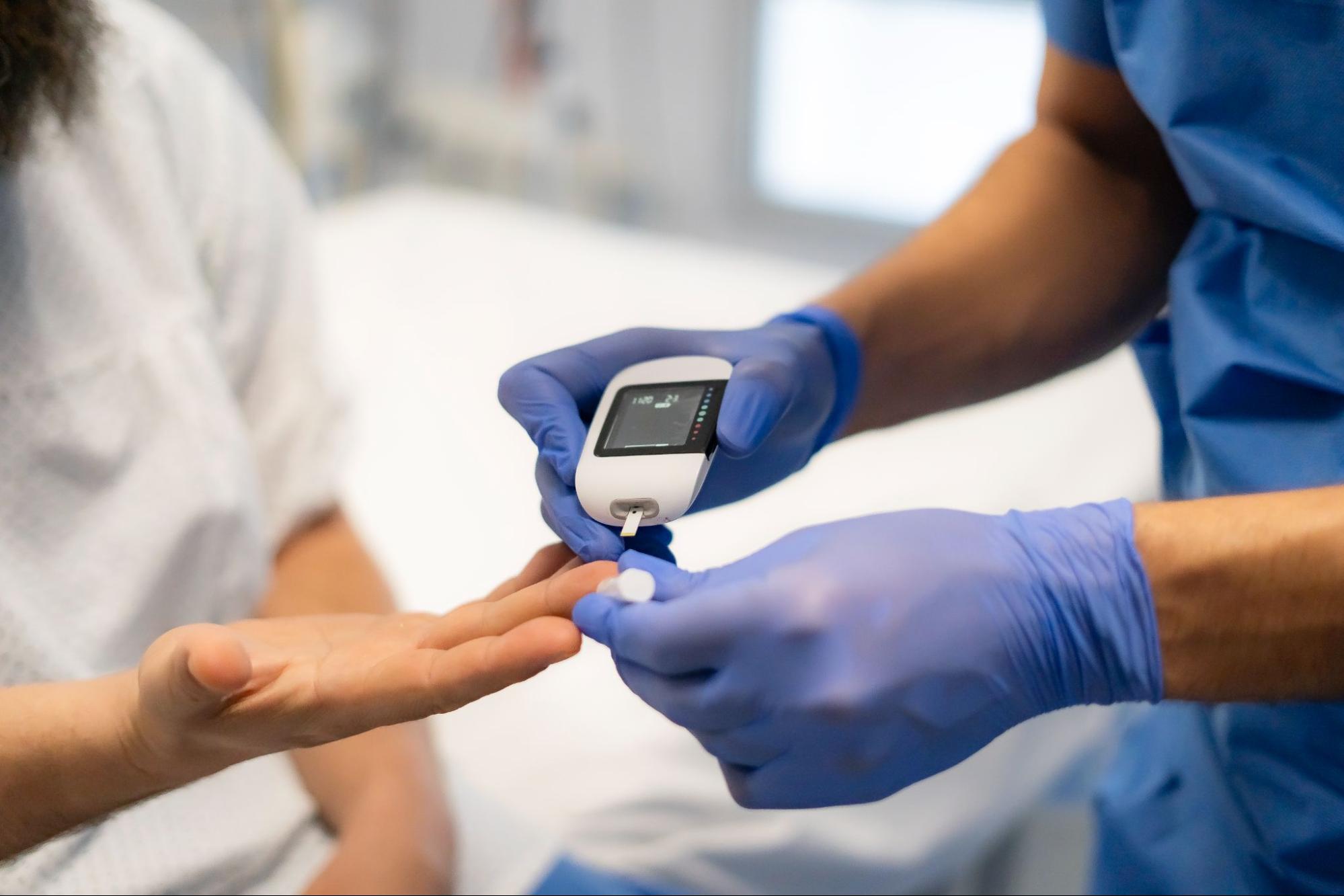
Preventive care helps identify concerns before they become more serious. Depending on your diabetes type, medical history, and risk factors, your healthcare provider may recommend A1C testing, blood pressure monitoring, cholesterol checks, and kidney function assessments.
Routine eye examinations, foot assessments, and dental visits are also important. These screenings can help detect early changes, allowing treatment to begin when needed.
Taking prescribed medications consistently helps manage diabetes and related conditions. If you experience side effects, difficulty affording medications, or challenges following your treatment plan, discuss them with your healthcare provider before making changes.
Healthy daily habits can also make a difference. Balanced meals, regular movement, adequate sleep, and stress management support blood sugar control and overall health.
If you want to review your current health needs, explore RGV Direct Care’s primary care services to learn more about preventive screenings and ongoing care.
Building a Personalized, Holistic Prevention Plan

Diabetes management looks different for everyone. Your treatment plan should consider your blood sugar patterns, medical history, daily schedule, food preferences, medications, and personal goals.
For some patients, care may also involve managing high blood pressure, cholesterol, weight, sleep problems, or other conditions that increase the risk of complications. Lifestyle changes can complement treatment, but they should not replace prescribed medications or recommended screenings.
At RGV Direct Care, our holistic approach considers physical health, emotional well-being, and everyday habits when developing personalized care plans. Explore our comprehensive treatment plans to learn how we combine medical care with practical lifestyle guidance.
Patient Questions and Checklist for Diabetes Visits
Primary care appointments are an opportunity to review your progress, discuss symptoms, and determine whether your treatment plan needs adjustments.
Consider asking your healthcare provider:
- What does my latest A1C result mean?
- Are my blood pressure and cholesterol within my recommended targets?
- When should I have my next kidney, eye, or foot screening?
- What should I do if my blood sugar gets too high or too low?
- Do I need medication changes or specialist care?
Bring an updated medication list, recent glucose readings, and notes about new symptoms. These details can help your provider assess your current needs.
If you’re due for a checkup or have concerns about diabetes management, book an appointment with RGV Direct Care to discuss appropriate screenings and follow-up care.
Conclusion: Protecting Your Long-Term Health With Diabetes
Many diabetes complications can be prevented, delayed, or managed with consistent care. Keeping blood sugar within your recommended range, managing other risk factors, and completing routine screenings can help protect your long-term health.
You don’t need to change every habit at once. Work with your healthcare provider to develop a plan that addresses your medical needs and fits your daily life.
If you live in Weslaco or the surrounding Rio Grande Valley, contact RGV Direct Care to discuss your diabetes management concerns and learn about available primary care services.
Diabetes Complications FAQs
What Are the Most Common Complications Caused by Diabetes?
Common diabetes complications include heart disease, kidney disease, nerve damage, eye problems, poor circulation, and foot complications. Diabetes can also increase the risk of skin infections and gum disease.
How Does High Blood Sugar Cause Diabetes Complications?
High blood sugar can damage blood vessels and nerves over time, affecting circulation and organ function. High blood pressure, abnormal cholesterol, and smoking can further increase the risk.
What Steps Can Help Prevent Diabetes Complications?
Managing blood sugar, blood pressure, and cholesterol can help lower your risk. Regular screenings, balanced meals, physical activity, medication adherence, and routine medical appointments are also important.
Why Are Regular Eye Exams Important for People With Diabetes?
Diabetes can damage blood vessels in the retina before noticeable vision changes occur. Routine dilated eye examinations help identify problems early so appropriate treatment can begin.
Can Weight Management Reduce the Risk of Diabetes Complications?
For people who would benefit from weight loss, weight management can improve insulin sensitivity, blood sugar control, and cardiovascular risk factors. Goals should be individualized and sustainable.
What Warning Signs Require Immediate Medical Attention?
Seizures, loss of consciousness, severe confusion, difficulty breathing, chest pain, or stroke symptoms require emergency care. Persistent vomiting, fruity-smelling breath, or severe dehydration may indicate a diabetes-related emergency and need immediate evaluation.