
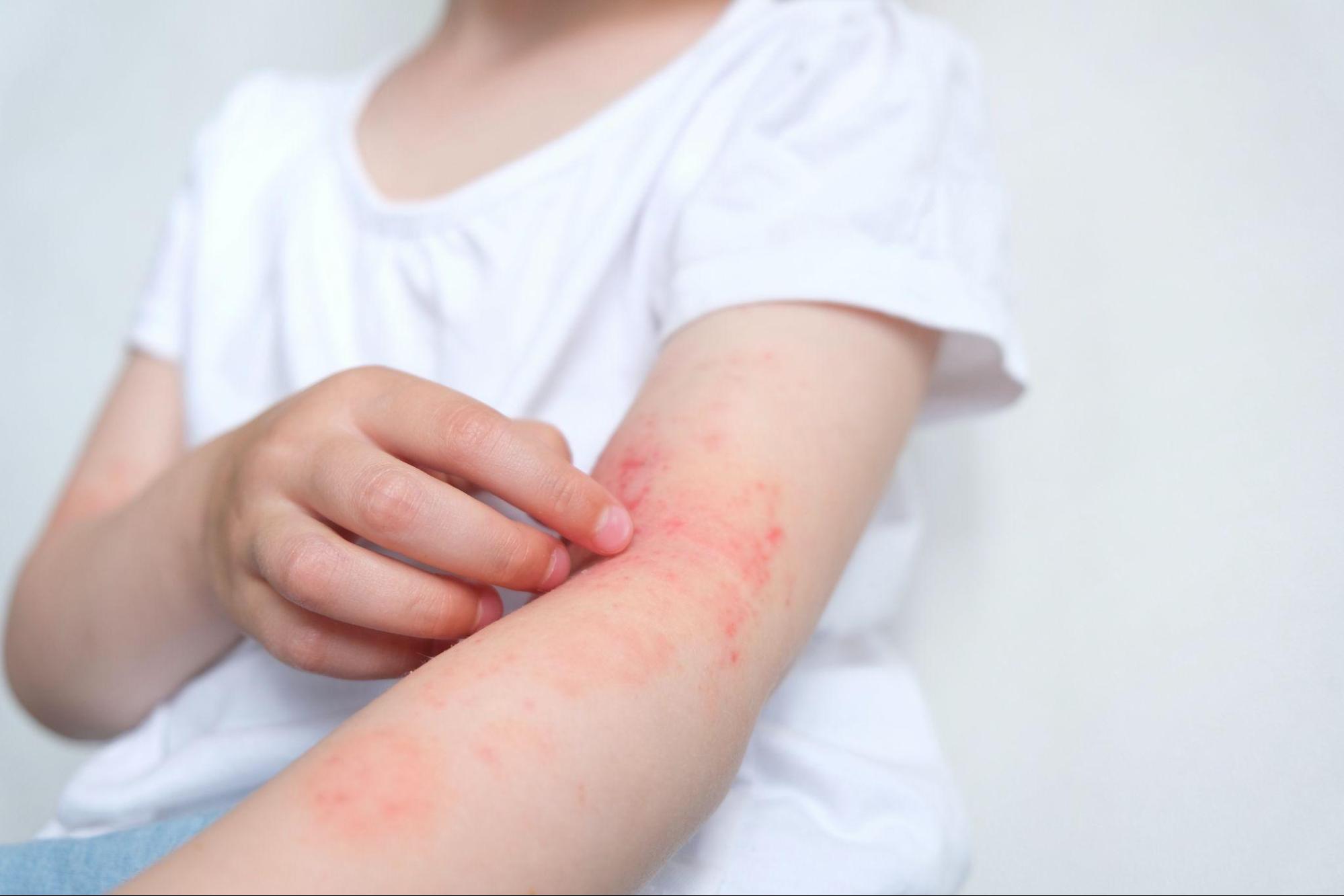
One itchy wrist can quickly become a household-wide problem, sometimes before anyone notices the telltale rash or burrows. Effective scabies treatment for family members involves more than treating the person who first develops symptoms. Because scabies can spread before symptoms appear, close contacts often need to address the infestation at the same time.
Because scabies can spread before symptoms appear, household members and close contacts may need treatment at the same time when recommended by a healthcare professional.
At RGV Direct Care, we help families understand their treatment options, manage uncomfortable symptoms, and take practical steps at home. Explore our primary care services to learn how our team can help.
Why Family Members Need Coordinated Scabies Treatment
Scabies most often spreads through prolonged, direct skin-to-skin contact. This can happen while sharing a bed, caring for a family member, or having other forms of close physical contact. Less commonly, scabies may spread through shared clothing, towels, or bedding.
According to the Centers for Disease Control and Prevention, symptoms may take several weeks to appear after a person’s first infestation. However, someone can still spread scabies before itching or a rash develops.
This delay is one reason treating only the person with visible symptoms may lead to reinfestation. Coordinated treatment can be especially important in multigenerational Rio Grande Valley households where children, parents, grandparents, and caregivers have frequent close contact.
Who Should Receive Scabies Treatment in the Household?
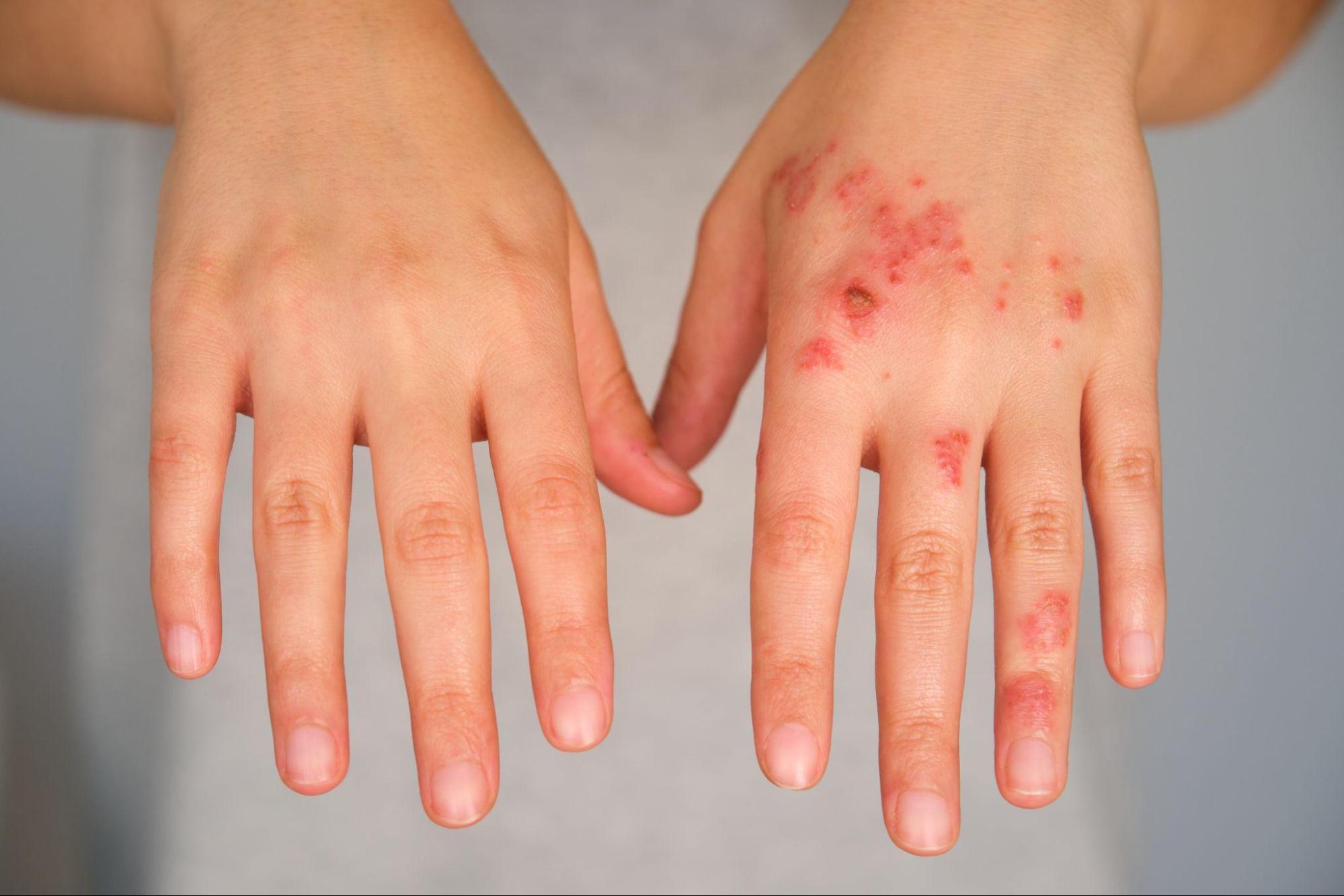
Household members and anyone who had prolonged skin-to-skin contact with someone who has scabies should seek medical guidance. Close contacts may need treatment at the same time, even if they do not have symptoms yet.
Because rashes can have other causes, such as eczema, insect bites, or allergic reactions, it is important to confirm the diagnosis before treatment.
RGV Direct Care considers symptoms, exposure history, age, medications, and other health factors when recommending next steps. Families in Weslaco, Harlingen, McAllen, and nearby Rio Grande Valley communities can explore RGV Direct Care’s services for personalized care.
How Prescription Scabies Treatments Are Used

Permethrin 5% cream is a common prescription treatment for scabies. For most adults, it is applied from the neck down, left on for about eight to 14 hours, then washed off. A healthcare provider may recommend a second application about one week later.
Treatment can differ for infants, young children, and other patients, so instructions should be followed carefully. Oral ivermectin may also be considered in some cases depending on age, weight, pregnancy status, and other health factors.
For more information, review the CDC’s Clinical Care of Scabies guidance.
Special Considerations for Children, Pregnancy, and Chronic Conditions
Babies, young children, pregnant or breastfeeding patients, and people with complex medical needs should receive individualized medical advice before starting treatment.
Do not share prescriptions or use medication left over from another person’s treatment. Even when several family members need treatment at the same time, the safest medication and instructions may differ from one person to another.
A medication review may also be appropriate for people taking multiple prescriptions or managing chronic health conditions. The goal is to choose an effective scabies treatment while considering each family member’s individual health needs.
Cleaning Clothes, Bedding, and the Home Environment

Cleaning helps prevent reinfestation, but you do not need to disinfect the entire house.
Wash clothing, towels, and bedding used during the previous three days in hot water and dry them on a hot cycle when possible. Items that cannot be washed can be sealed in a plastic bag for several days.
Routine cleaning and vacuuming are usually enough because scabies mites typically survive only two to three days away from human skin. The CDC’s scabies prevention guidance also recommends focusing on recently used fabrics rather than fumigating the home or throwing away furniture.
Managing Itching After Scabies Treatment
One of the most confusing parts of scabies recovery is that itching does not always disappear as soon as treatment ends.
The skin’s reaction to mites and their debris can continue even after treatment has killed the mites. Itching may therefore last for several weeks and does not automatically mean treatment has failed.
Depending on the patient’s age and health, a clinician may recommend measures such as moisturizers, cool compresses, antihistamines, or topical medications to make the recovery period more comfortable.
What About Natural Remedies?
Products such as tea tree oil are sometimes promoted online as alternatives for scabies. However, home remedies should not replace proven prescription treatment. Essential oils can also irritate or burn the skin when used incorrectly.
Household bleach, kerosene, agricultural pesticides, veterinary medications, and insecticide sprays should never be applied to the skin as scabies treatments.
Supportive measures may help soothe irritated skin or improve comfort, but eliminating scabies requires an appropriate scabicide prescribed or recommended by a healthcare professional.
Signs Scabies Treatment May Not Be Working
Persistent itching alone does not necessarily mean scabies is still active. However, new burrows or new pimple-like rashes after treatment may be a reason to contact a healthcare provider.
Treatment may appear unsuccessful for several reasons. Medication may not have been applied correctly, a close contact may not have been treated, or the person may have been exposed again. Another skin condition may also be responsible for continuing symptoms.
Seek medical attention if scratching causes sores or signs of a skin infection.
People with thick, crusted areas of skin, infants with concerning symptoms, and people who are immunocompromised should also receive prompt medical evaluation because crusted scabies can be more contagious and may require more intensive treatment.
Conclusion: Treat the Household, Not Just the Itch
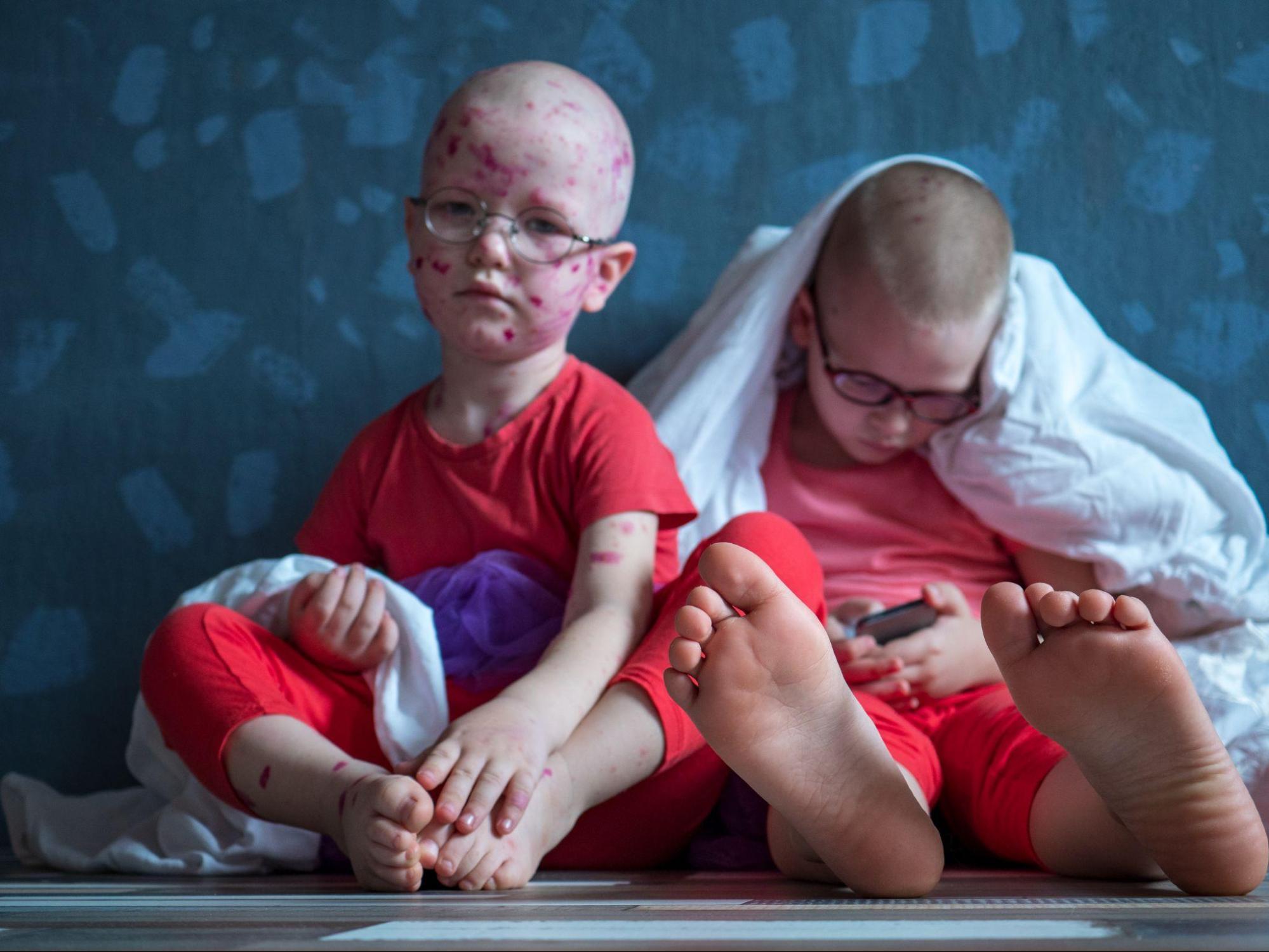
Scabies symptoms do not always appear at the same time, so close contacts may need coordinated treatment even if they feel fine.
Effective scabies treatment for family members combines medical treatment, simple household cleaning, and follow-up to help prevent reinfestation. Extensive cleaning or throwing away furniture is usually unnecessary.
If someone in your household may have scabies, RGV Direct Care can help guide the next steps. Learn more about our comprehensive treatment options or visit our Health Education resources for more information.
Why Is Coordinated Scabies Treatment Important for Family Members?
Scabies can spread before symptoms appear. Treating household members and close contacts at the same time, when recommended, may help reduce the risk of one person passing the infestation back to someone who has already completed treatment.
Who in the Family Should Receive Scabies Treatment?
Household members and people who have had prolonged, direct skin-to-skin contact with someone who has scabies should seek medical guidance. Close contacts may need treatment even when they do not have symptoms.
How Is Permethrin Cream Used for Scabies Treatment?
For most adults, permethrin 5% cream is applied from the neck down and left on for approximately eight to 14 hours before being washed off.
Application instructions may differ for infants and young children, so patients should follow the directions provided by their healthcare professional.
What Cleaning Is Necessary During Scabies Treatment at Home?
Wash clothing, towels, and bedding used during the three days before treatment in hot water and dry them on a hot cycle when possible.
Items that cannot be washed or dry-cleaned can be sealed in a plastic bag for several days to a week. Extensive fumigation is generally unnecessary.
Can Children and Pregnant Women Be Treated for Scabies?
Yes, but treatment should be selected with medical guidance. Age, pregnancy or breastfeeding status, body weight, and other health factors can affect which treatment is appropriate.
Family members should not share prescriptions or follow another person’s medication instructions.
How Long Can Itching Continue After Scabies Treatment?
Itching may continue for several weeks even after successful treatment because the skin can continue reacting to mites and their debris.
New burrows, new pimple-like rashes, worsening symptoms, or persistent itching should be discussed with a healthcare provider.
Does the Entire House Need to Be Disinfected After Scabies?
Usually not. Scabies mites generally survive only two to three days away from human skin.
Washing recently used clothing, towels, and bedding and performing routine household cleaning are generally more useful than fumigating the home or throwing away furniture.