
An intensely itchy rash can turn an ordinary night into hours of scratching, lost sleep, and worry. If the itching becomes worse after bedtime or affects several people at home, scabies may be a consideration. Please note that the information provided here is for educational purposes only and should not replace professional medical advice, diagnosis, or treatment; always seek the guidance of a qualified healthcare provider regarding any medical condition.
Visiting a walk-in clinic for scabies in the RGV can provide timely answers and appropriate prescription treatment options. At RGV Direct Care, we offer compassionate acute illness care.
Our clinical approach evaluates the rash alongside exposure history, household risks, current medications, and overall health, rather than focusing on a single symptom in isolation. Patients are encouraged to contact our team to confirm current same-day or walk-in availability.
Recognizing Scabies Symptoms and How It Spreads
Scabies is a contagious skin infestation caused by the microscopic mite Sarcoptes scabiei. The mite burrows into the outer layer of skin, where it lays eggs and can trigger an immune reaction.
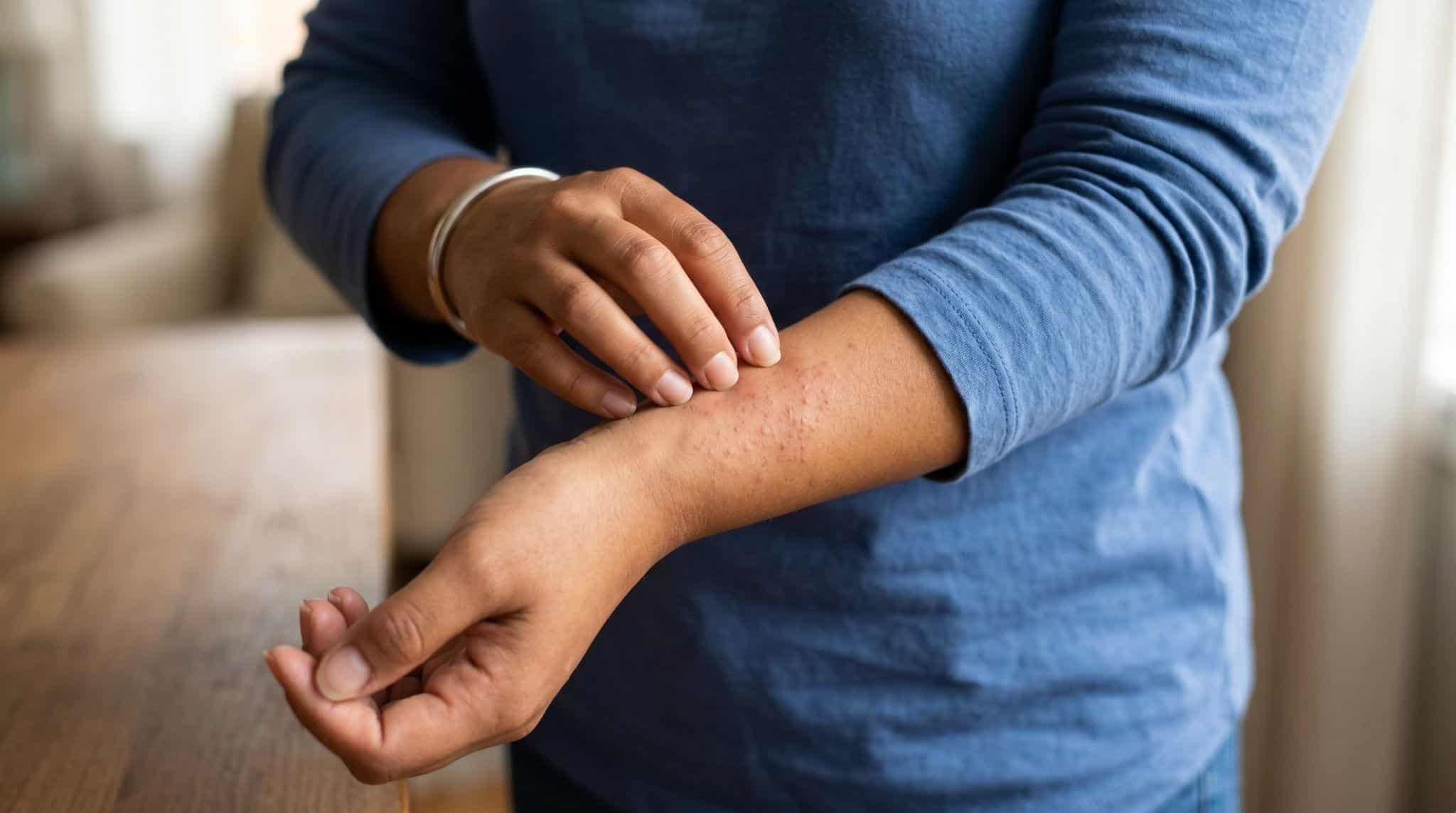
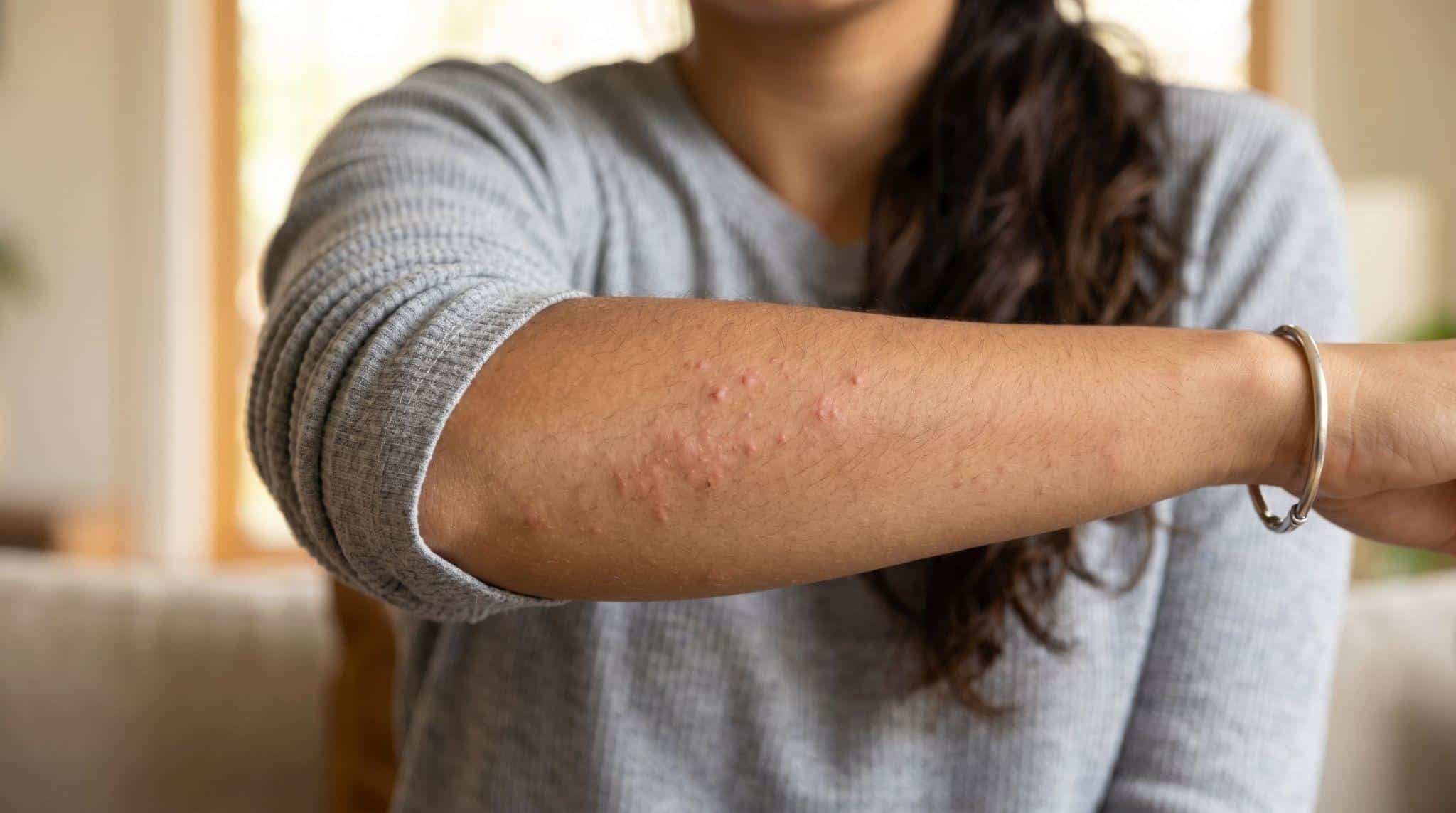
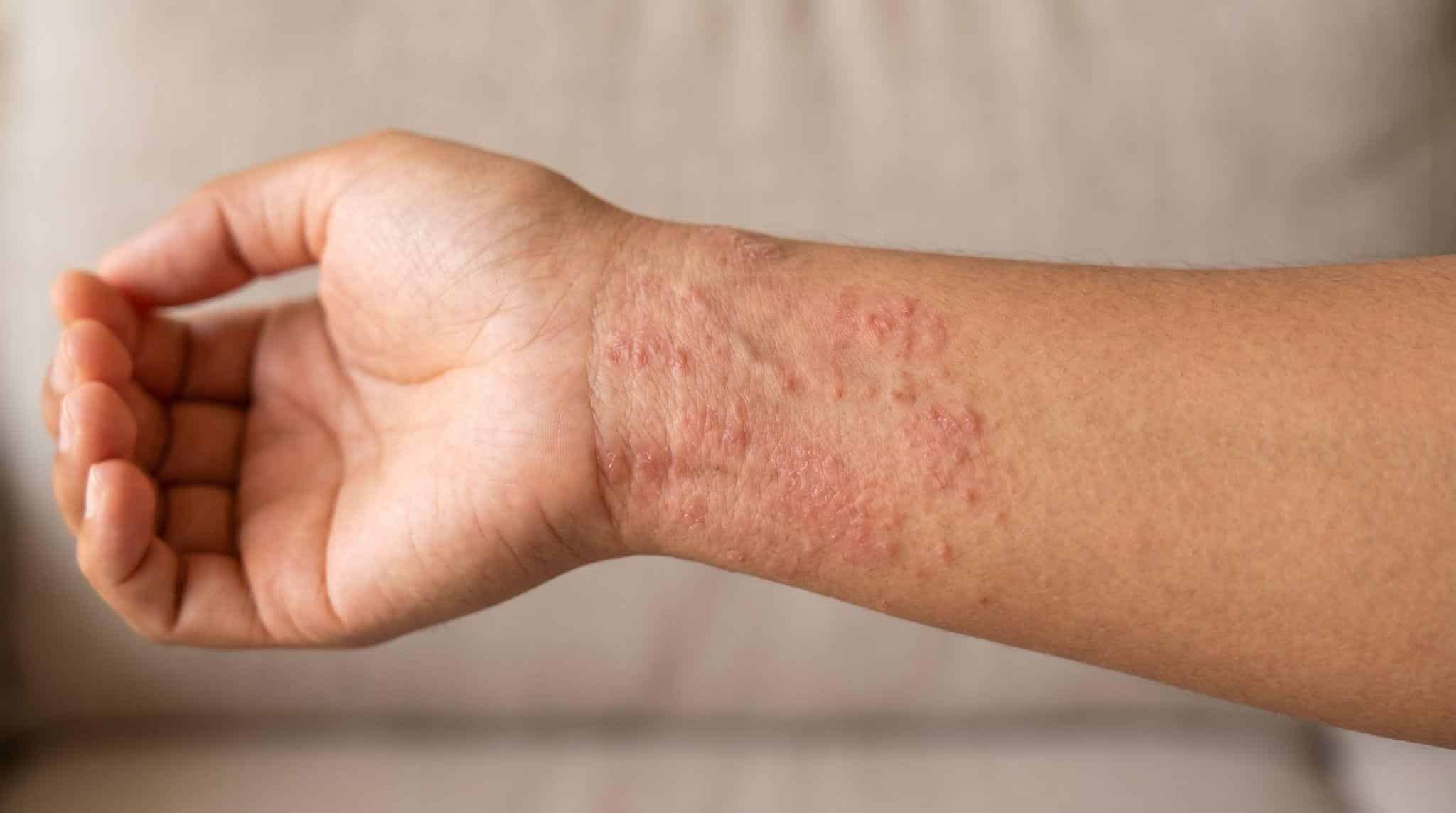
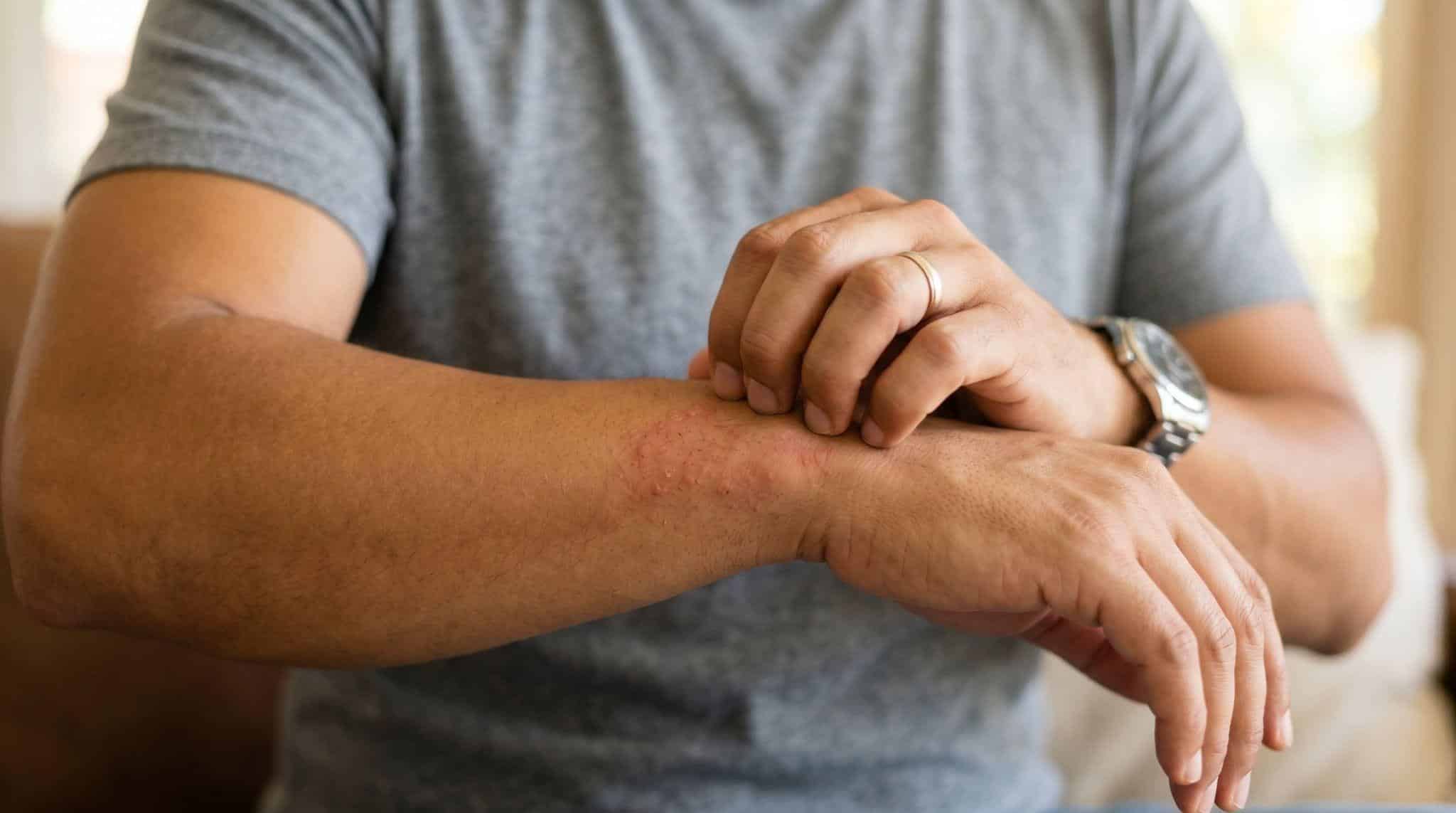
The most recognizable symptom is intense itching that often becomes more noticeable at night. A person may also notice small red bumps, thin raised or crooked lines, crusted areas, or scratches caused by persistent itching.
Commonly affected areas include:
- Between the fingers
- Wrists, elbows, and armpits
- Waistline and buttocks
- Genital area
- Around the nipples
- Ankles and feet
Infants, older adults, and people with weakened immune systems may develop symptoms on the scalp, face, neck, palms, or soles as well.
Scabies usually spreads through prolonged, direct skin-to-skin contact. It can pass among couples, family members, caregivers, and people sharing close living spaces. Transmission through recently used clothing, towels, or bedding is possible, although brief contact such as a quick handshake is generally less likely to spread it.
If several household members have unexplained nighttime itching, a walk-in clinic for scabies in the RGV can help determine whether scabies or another skin condition is involved.
Symptoms may take four to eight weeks to appear after an initial infestation. During that period, a person can still transmit scabies. Someone who has experienced it before may notice symptoms developing within only a few days.
Why Visit an RGV Walk-In Clinic for Scabies Evaluation?
Scabies generally requires prescription medication, so visiting a walk-in clinic for scabies in the RGV promptly can help prevent the rash from spreading to others. Evaluation is especially important when itching affects people in a household, dormitory, nursing facility, or caregiving environment.
A clinician is trained to evaluate and help differentiate possible scabies from conditions with similar presentations, such as eczema, contact dermatitis, insect bites, folliculitis, and fungal infections. Using the wrong over-the-counter cream may temporarily calm redness without addressing the underlying mites.
At RGV Direct Care, we begin by listening. We ask when the itching started, whether it intensifies at night, where the rash first appeared, and whether relatives or close contacts have developed symptoms.
Our clinical approach also considers allergies, pregnancy, chronic illness, immune status, and current prescriptions. This broader review helps us select appropriate management plans while minimizing unnecessary medication whenever possible.
For families traveling between Weslaco, Harlingen, and McAllen, convenient acute care can help reduce delays and potential repeated exposure. Patients can review our Home page for clinic information or contact us to ask about availability before arriving.
What to Expect During Your Visit
A scabies evaluation usually begins with a focused conversation followed by a careful skin examination. We may ask about recent overnight stays, intimate contact, shared bedding, workplace exposure, caregiving duties, or symptoms among household members.
During the examination, we look closely at typical locations such as finger webs, wrists, elbows, waist, ankles, and other affected areas. Patients should mention every itchy area, even when a patch seems unrelated or is normally covered by clothing.
Scabies is frequently diagnosed based on clinical appearance, distribution, and exposure patterns.
Patients can assist the clinical team by bringing a current medication list and photographs showing how the rash has changed. Loose clothing also makes the examination easier. Learn more about RGV Direct Care and our compassionate, personalized approach to family care in the Rio Grande Valley.
When Symptoms May Require Urgent Medical Attention
Some skin presentations require more than routine outpatient management. Patients should seek prompt medical evaluation for symptoms such as a fever, rapidly spreading redness, severe pain, warmth, swelling, pus, red streaks, or open sores. These findings may indicate a secondary bacterial infection caused by scratching.
Immediate medical attention is appropriate for trouble breathing, facial swelling, confusion, fainting, or a suspected severe medication reaction. Infants, frail older adults, and immunocompromised patients should also be evaluated promptly because their symptoms may be unusual or more extensive.
Thick, flaky crusts covering broad areas can indicate crusted scabies, a highly contagious form involving large numbers of mites. This presentation requires strict infection-control protocols, specific prescription treatment, and close clinical follow-up.
A walk-in or primary care clinic is not a substitute for an emergency department when symptoms are life-threatening. When patients call RGV Direct Care, we can help clarify whether the reported problem appears suitable for clinic evaluation or requires emergency care.
Helping to Prevent Reinfection and Protect Close Contacts
Helping to prevent reinfestation typically requires addressing mites on both affected individuals and recently used fabrics within the same timeframe. Otherwise, an untreated close contact can inadvertently restart the cycle days later.
On the day treatment begins:
- Coordinate contact care: Household members and intimate contacts commonly require management at the same time, even in the absence of symptoms.
- Wash recently used fabrics: Machine-wash bedding, towels, and clothing used during the previous three days in hot water, then dry them on a hot setting.
- Seal unwashable items: Place appropriate items in a closed plastic bag for at least 72 hours. Mites generally survive only a few days away from human skin.
- Clean shared surfaces: Vacuum mattresses, upholstered furniture, rugs, and vehicle seats. Routine cleaning is usually sufficient, and insecticide foggers are not recommended.
- Practice contact precautions: Follow clinical guidance regarding intimate or prolonged contact, and avoid sharing towels, clothing, or bedding during the treatment period.
Scabies is not a reflection of personal hygiene. Anyone can develop it, including families with spotless homes. Extensive pesticide spraying, discarding mattresses, and repeatedly scrubbing the skin are unnecessary and may create new health risks.
Because instructions can vary by medication and patient, families should follow their clinician’s tailored plan rather than relying on unverified social media remedies. Bleach, household cleaners, essential oils, and animal flea products should never be applied to the skin as scabies treatments.
Conclusion
A walk-in clinic for scabies in the RGV can help identify the cause of relentless itching, provide appropriate prescription options, and explain how to protect the household. For more guidance on scabies treatment in the Rio Grande Valley, visit the RGV Direct Care blog.
At RGV Direct Care, we combine attentive medical evaluation with compassionate support for families across South Texas. We accept most major medical insurance plans and welcome patients at 309 W. Pike Blvd., Suite C, Weslaco, TX 78596. Those concerned about a possible exposure can contact us to confirm availability and plan their visit.
What symptoms indicate I should visit a walk-in clinic for scabies in the RGV?
If you experience intense itching that worsens at night, small red bumps, or rashes between your fingers, wrists, or waistline—especially if others in your home have similar symptoms—seek a prompt clinical evaluation for an accurate diagnosis and treatment plan.
How does scabies spread, and why is timely evaluation important?
Scabies spreads mainly through prolonged skin-to-skin contact with an infested person or by sharing recently used bedding or clothing. Timely evaluation at an RGV walk-in clinic can help manage the infestation promptly and reduce the risk of spread within households and community settings.
Can I bring my family to the clinic to address scabies and help prevent reinfection?
Yes. Treating close contacts at the same time is important for helping prevent reinfestation. The clinic can provide coordinated guidance for household members, including recommendations for washing clothes and bedding in hot water and cleaning shared surfaces.
When should I seek urgent care instead of a walk-in clinic for scabies symptoms?
Seek immediate medical care if you have a fever, severe pain, rapidly spreading redness, swelling, pus, or signs of a secondary bacterial infection from scratching. Infants, older adults, and immunocompromised individuals also need prompt clinical evaluation.
How can I help prevent scabies reinfection at home after visiting the clinic?
After treatment begins, wash bedding, towels, and clothing used during the previous three days in hot water. Seal unwashable items in plastic bags for at least 72 hours, vacuum shared surfaces, temporarily avoid close skin contact, and follow your clinician’s specific instructions to help protect your household.