
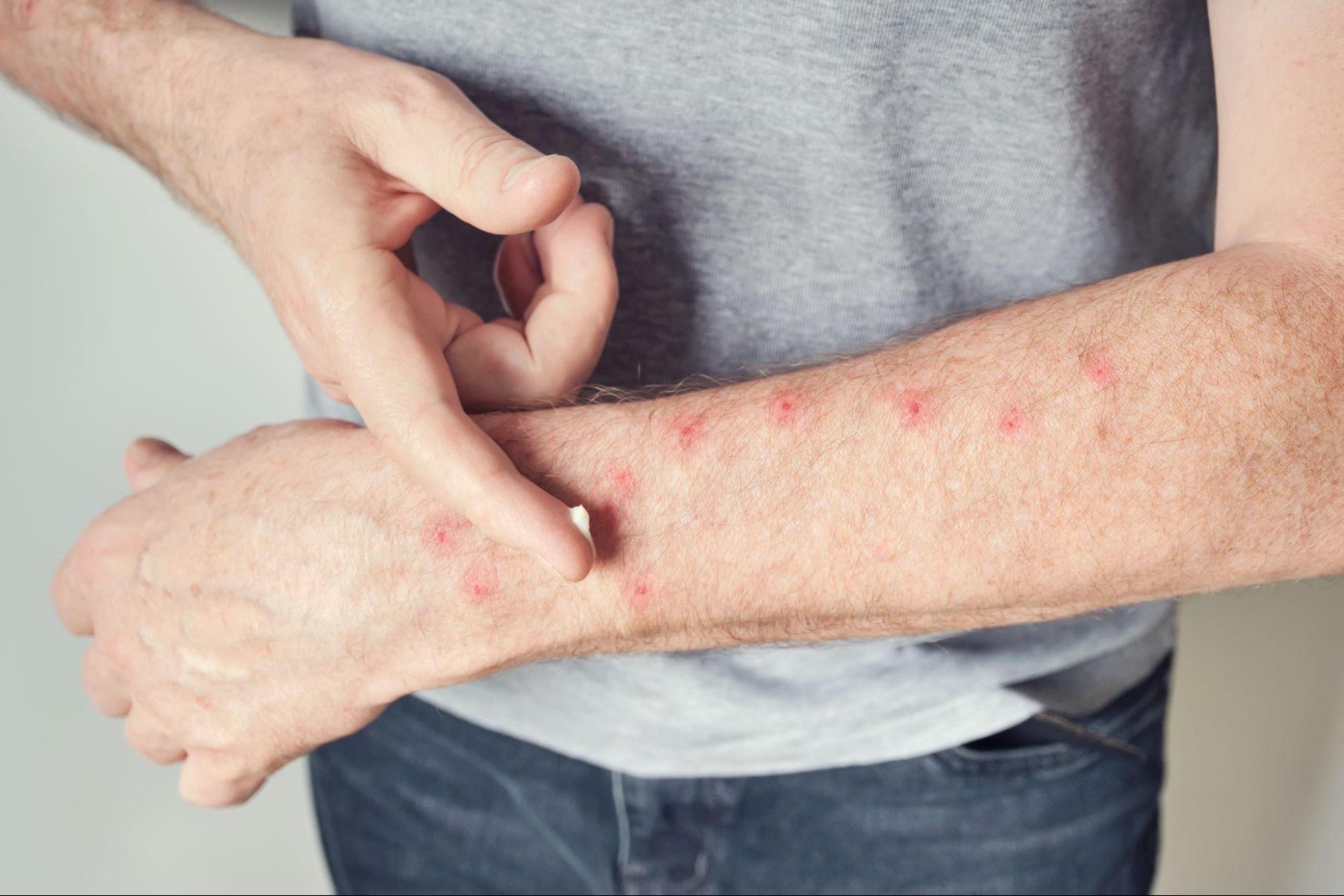
Scabies can make it difficult to sleep, especially when itching becomes worse at night. Effective scabies itch treatment involves more than soothing irritated skin. The mites causing the infestation need to be eliminated, while the skin also needs time to recover from the reaction they trigger.
According to the CDC’s overview of scabies, scabies is caused by the human itch mite and commonly leads to intense itching and a pimple-like rash.
At RGV Direct Care, we help patients across the Rio Grande Valley understand their symptoms, follow treatment correctly, and take practical steps to reduce the risk of reinfection.
Why Scabies Itches and Why Symptoms Can Continue After Treatment
Scabies causes itching because your body reacts to the mites and their waste in the skin. The itching is often worse at night and may affect the wrists, fingers, waist, underarms, groin, and buttocks.
Even after treatment works, itching can continue for several weeks while the skin heals. This does not always mean the scabies is still active.
See a healthcare provider if you notice new burrows, new bumps, or symptoms that keep getting worse after treatment.
First-Line Treatments That Kill Scabies Mites
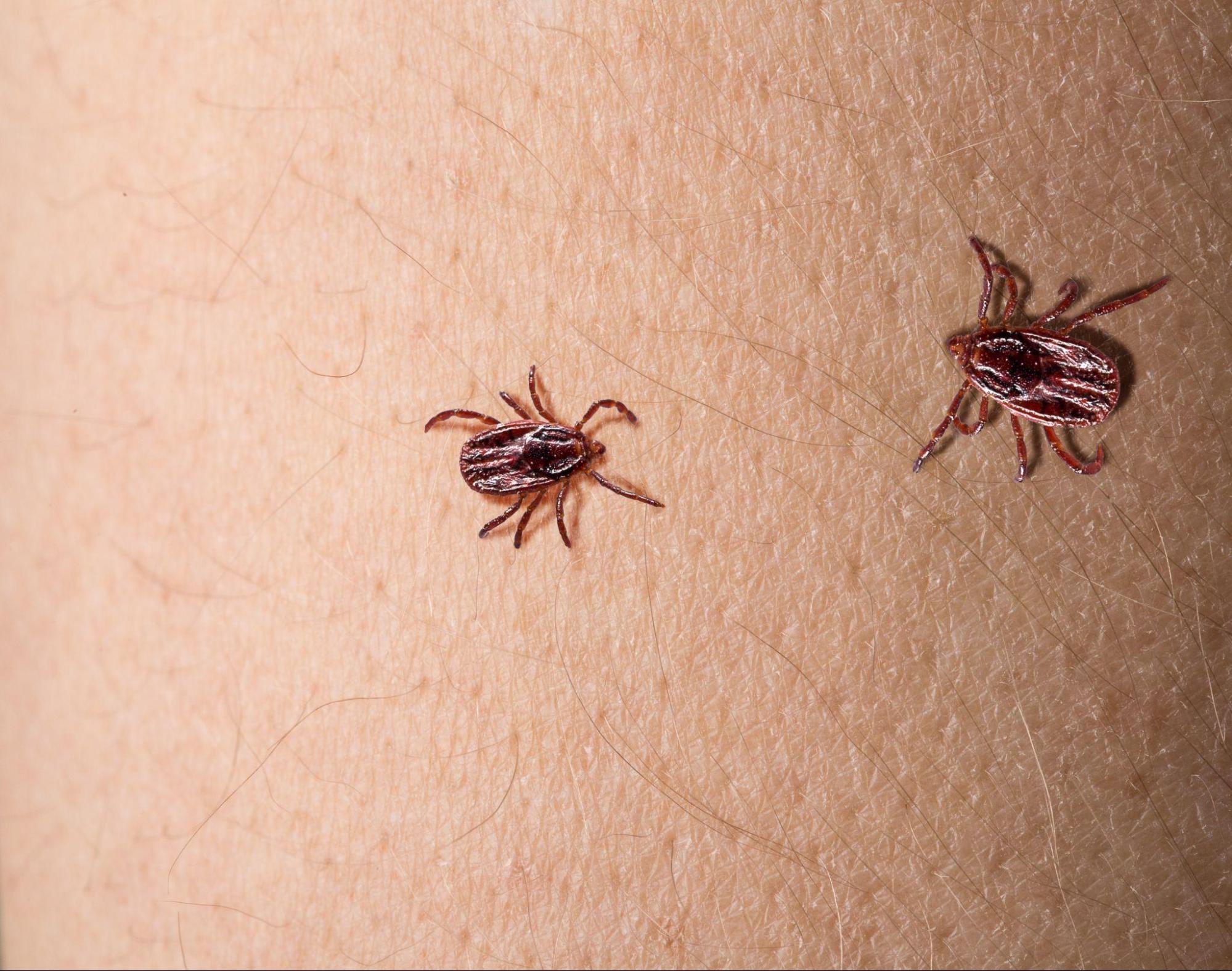
Over-the-counter anti-itch products may temporarily reduce discomfort, but they do not eliminate the mites responsible for scabies. An active infestation usually requires a prescription treatment that should be used exactly as directed.
The CDC’s clinical guidance on scabies treatment provides information about prescription medications used to eliminate scabies mites.
Household members and close sexual contacts may also need treatment at the same time, even if they do not have symptoms. Coordinating treatment can help reduce the chance of passing the mites back and forth.
If you have an itchy or unexplained rash and are unsure what is causing it, schedule a visit for an evaluation with RGV Direct Care.
Prescription Permethrin and Oral Ivermectin
Permethrin 5% cream is a common prescription treatment for scabies. It is applied to the skin as directed and may need to be used again after about a week.
Oral ivermectin may be used for some patients, including certain severe or crusted scabies cases. It is not safe for everyone, so it should only be taken if prescribed by a healthcare provider.
Safe Ways to Relieve Scabies Itching
Once treatment for the mites has started, simple skin-care measures may make the remaining itching easier to manage. Cool compresses, fragrance-free moisturizers, colloidal oatmeal baths, and loose cotton clothing may help soothe irritated skin.
Keeping fingernails short can also reduce skin damage caused by scratching and may lower the risk of secondary skin infection.
If inflammation or itching remains uncomfortable, a healthcare provider may recommend additional symptom relief depending on the patient’s condition. Avoid repeatedly applying scabies medication unless instructed to do so, since unnecessary use may further irritate the skin.
At RGV Direct Care, we consider both the underlying condition and the health of the skin when helping patients manage their symptoms. Explore RGV Direct Care services to learn more about the care available to patients in the Rio Grande Valley.
How to Prevent Scabies Reinfection at Home
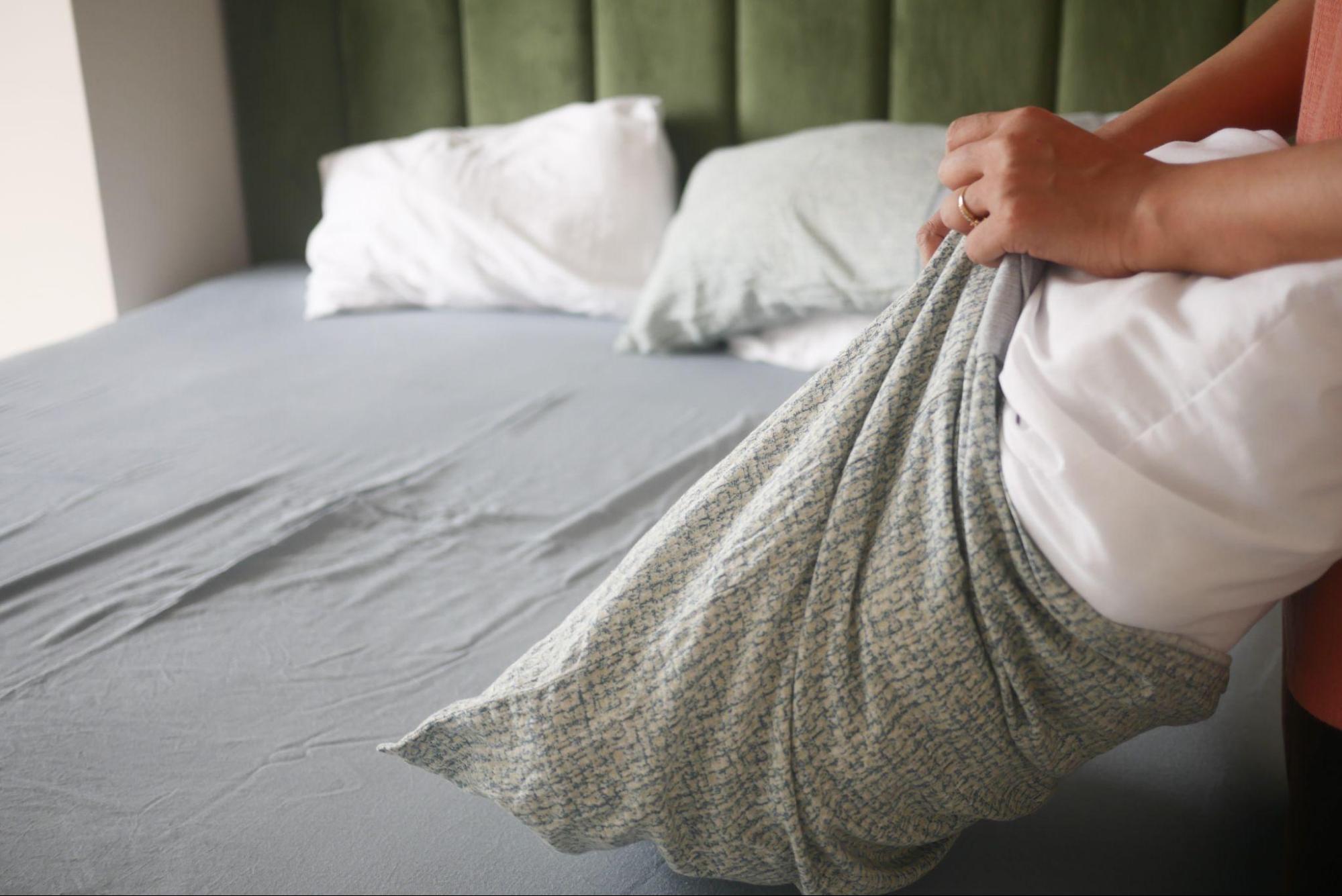
To help prevent scabies from coming back, wash recently used clothes, towels, and bedding in hot water and dry them on high heat.
The CDC recommends these steps to help prevent reinfection.
Items that cannot be washed can be sealed in a plastic bag for several days. You can also vacuum mattresses and upholstered furniture. Sprays and fumigation are usually not needed.
Avoid close skin-to-skin contact and sharing bedding until treatment is complete. People who need treatment should start around the same time to lower the risk of getting scabies again.
When Persistent Itching Needs Medical Attention
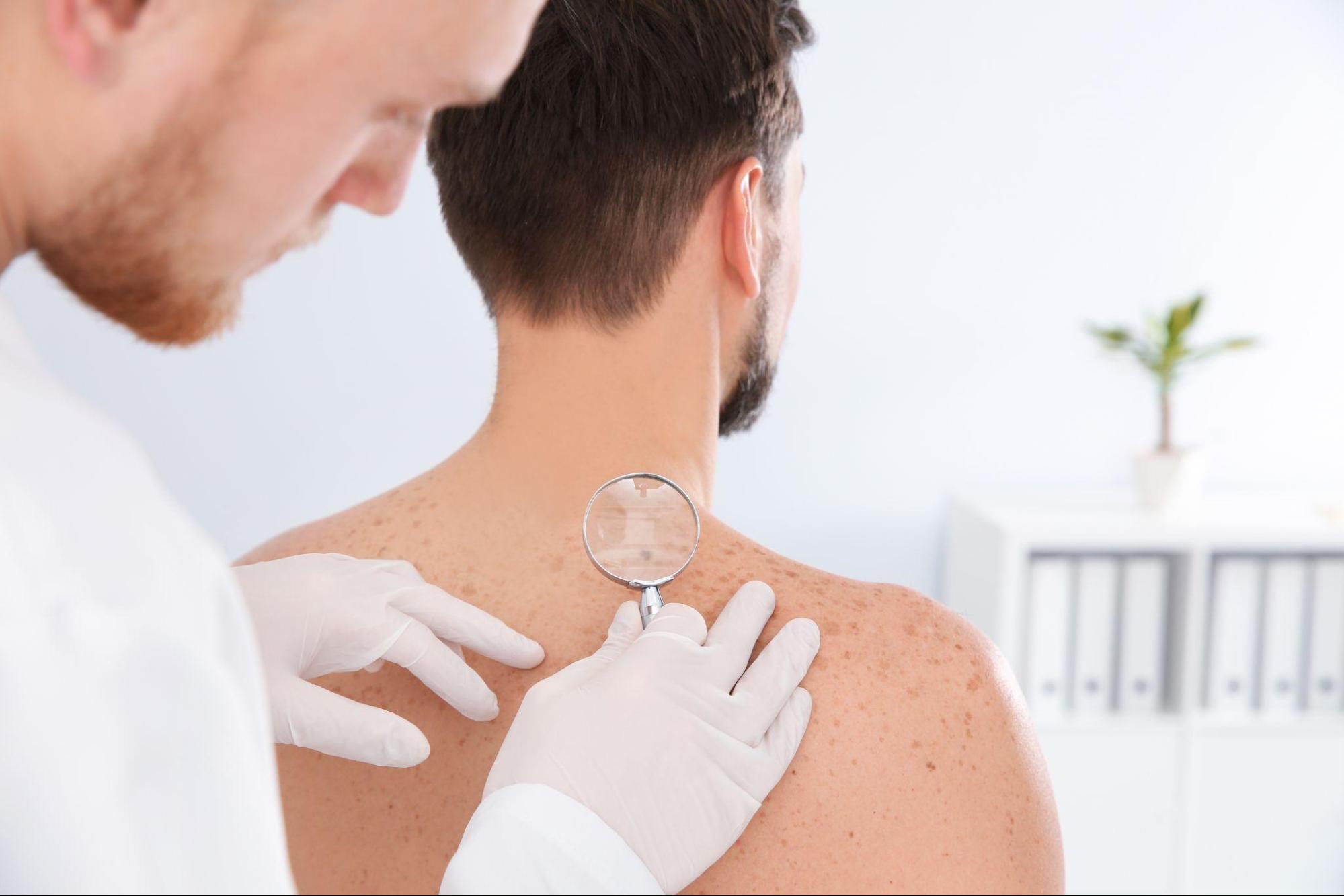
Not every itchy rash is scabies. Eczema, skin irritation, and insect bites can cause similar symptoms. If the rash is not getting better, a healthcare provider can help find the cause.
You should also get checked if new burrows or bumps appear after treatment, or if the itching continues longer than expected.
Seek prompt medical attention if you have spreading redness, warmth, swelling, pus, fever, or painful sores. These can be signs of a skin infection. Thick or crusted skin should also be checked because crusted scabies may need stronger treatment.
If the cause of your symptoms is unclear or they are not improving, learn about our diagnostic services and talk with the RGV Direct Care team about the next appropriate step.
Patients in Weslaco, Harlingen, McAllen, and surrounding Rio Grande Valley communities can contact RGV Direct Care for personalized medical guidance.
Conclusion

Effective scabies itch treatment addresses both the infestation and the skin irritation that may remain afterward. Prescription treatment can eliminate the mites, while appropriate skin care can help manage lingering itching as the skin recovers.
Treating close contacts when recommended and properly handling recently used clothing, towels, and bedding can also help reduce the risk of reinfection.
At RGV Direct Care, we help patients throughout the Rio Grande Valley understand what to expect during recovery, recognize symptoms that may need another evaluation, and follow an appropriate treatment plan. If your symptoms are not improving or you are unsure whether your treatment worked, schedule a visit with RGV Direct Care for personalized medical guidance.
How Long Does Scabies Itching Last After Treatment?
Itching may continue for several weeks after successful treatment because the skin can remain sensitive to the mites and the reaction they caused. Lingering itching alone does not necessarily mean treatment failed.
How Do I Know If Scabies Treatment Worked?
Symptoms should gradually improve after treatment, although itching may take time to settle. New burrows or fresh scabies-like bumps appearing after treatment may be a reason to contact a healthcare provider for another evaluation.
What Can I Use to Relieve Scabies Itching?
Cool compresses, fragrance-free moisturizers, colloidal oatmeal baths, and loose clothing may help soothe irritated skin. A healthcare provider may recommend additional treatments depending on your symptoms.
Can I Treat Scabies With Over-the-Counter Anti-Itch Cream?
Anti-itch products may temporarily relieve symptoms, but they do not kill the mites responsible for scabies. Treating the infestation generally requires a prescription medication selected by a healthcare provider.
Does Everyone in the Household Need Scabies Treatment?
Close household members and sexual contacts may need treatment at the same time, even if they do not currently have symptoms. Coordinated treatment can help reduce the chance of reinfection.
Do I Need to Clean My Entire House After Scabies?
Extensive fumigation or insecticide spraying is generally unnecessary. Focus on properly washing recently used clothing, towels, and bedding and handling items that cannot be washed. Vacuuming mattresses and upholstered furniture may also be helpful.
When Should I See a Healthcare Provider for Scabies?
Seek medical guidance if new burrows or bumps continue to develop, symptoms are not improving as expected, or you are unsure whether treatment was completed correctly.
Prompt evaluation is also important if you develop spreading redness, swelling, pus, fever, painful sores, or other possible signs of infection.