
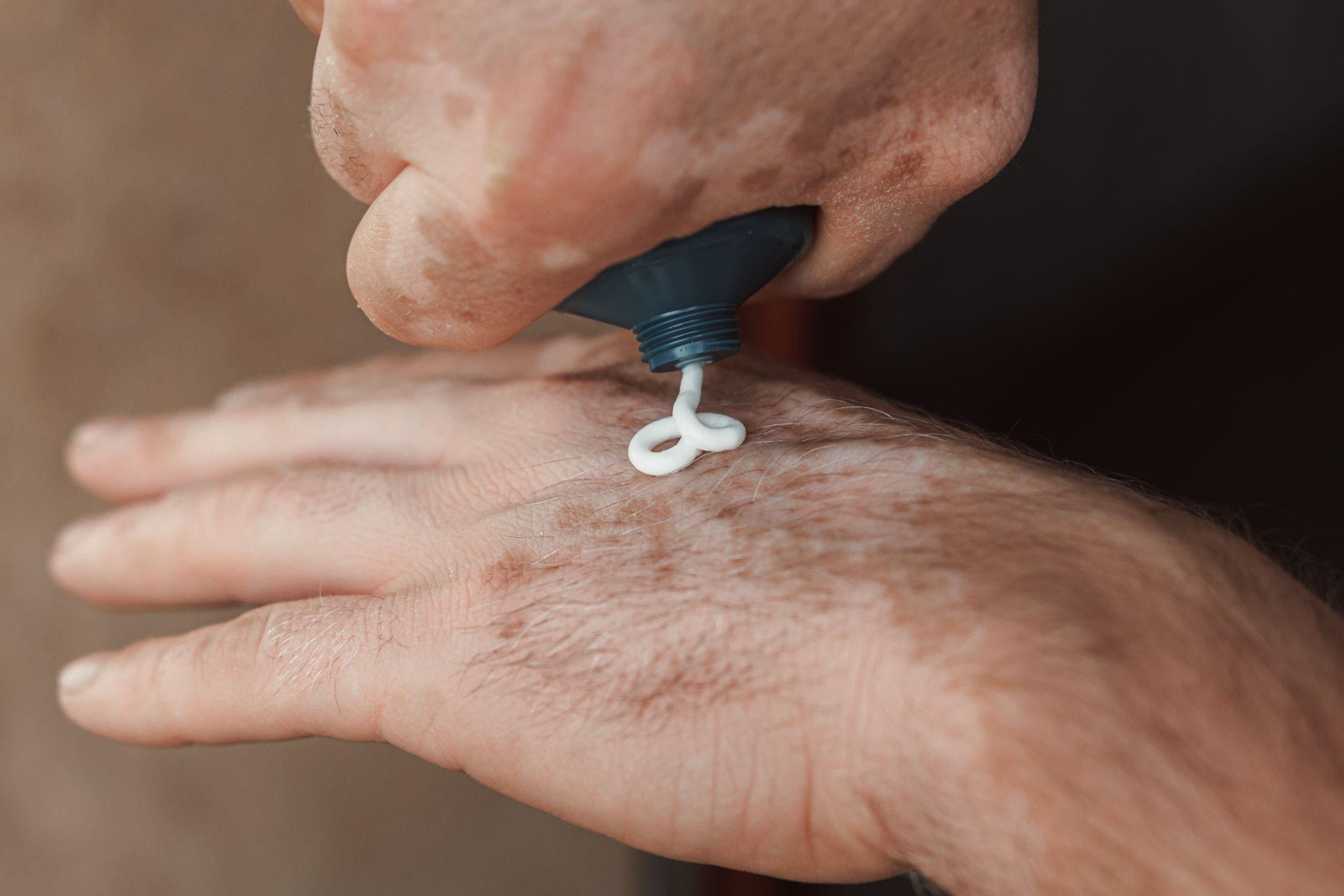
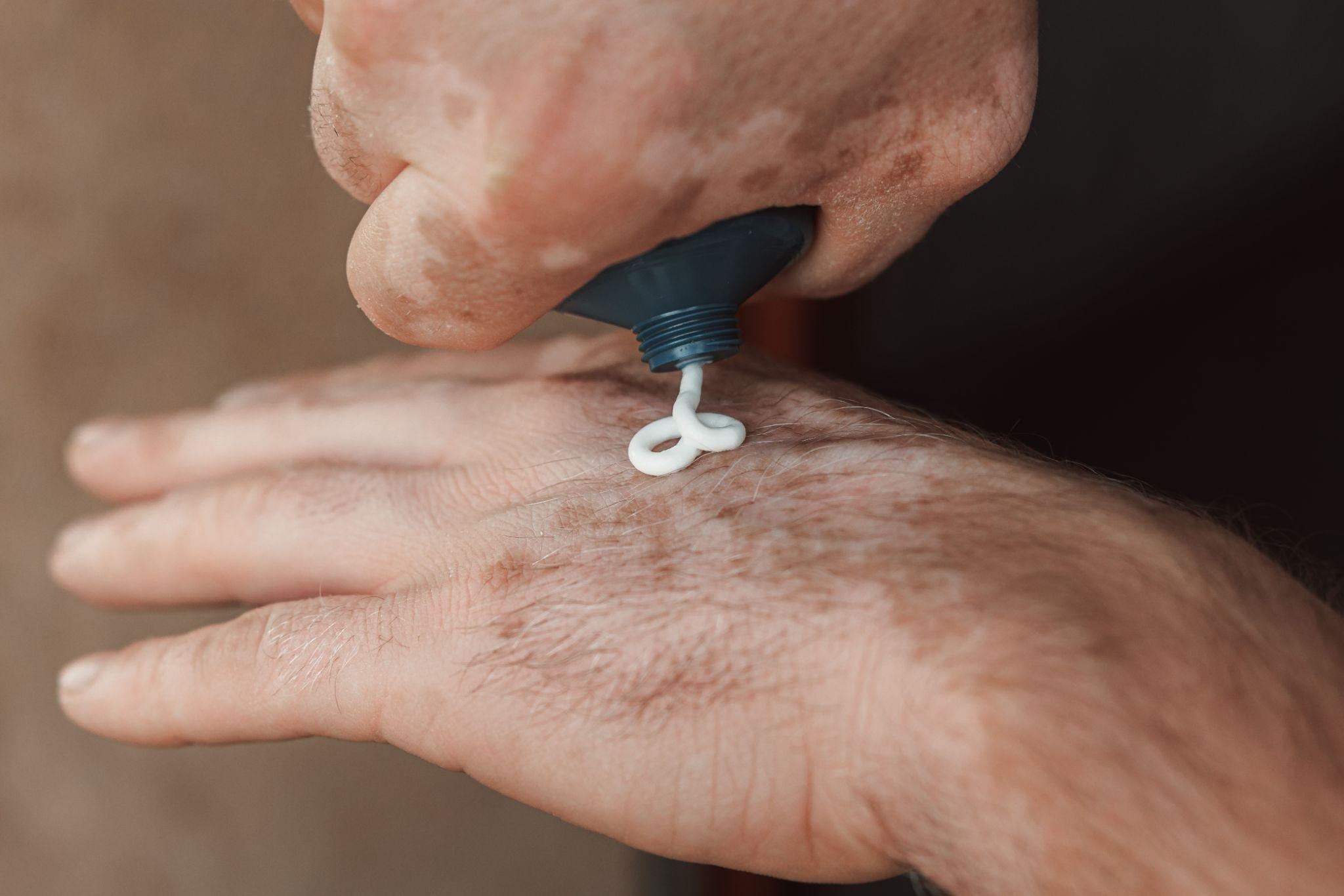
Scabies can cause intense itching that often gets worse at night. While creams and other products may temporarily calm irritated skin, getting rid of scabies requires treatment that kills the mites. Effective scabies mite treatment also involves treating close contacts when appropriate and cleaning recently used clothing and bedding to help prevent reinfestation.
At RGV Direct Care, we help patients understand their symptoms, treatment instructions, and practical steps they can take at home. Explore our healthcare services to learn how our team can help with new or persistent health concerns.
How to Recognize Scabies and Confirm the Diagnosis
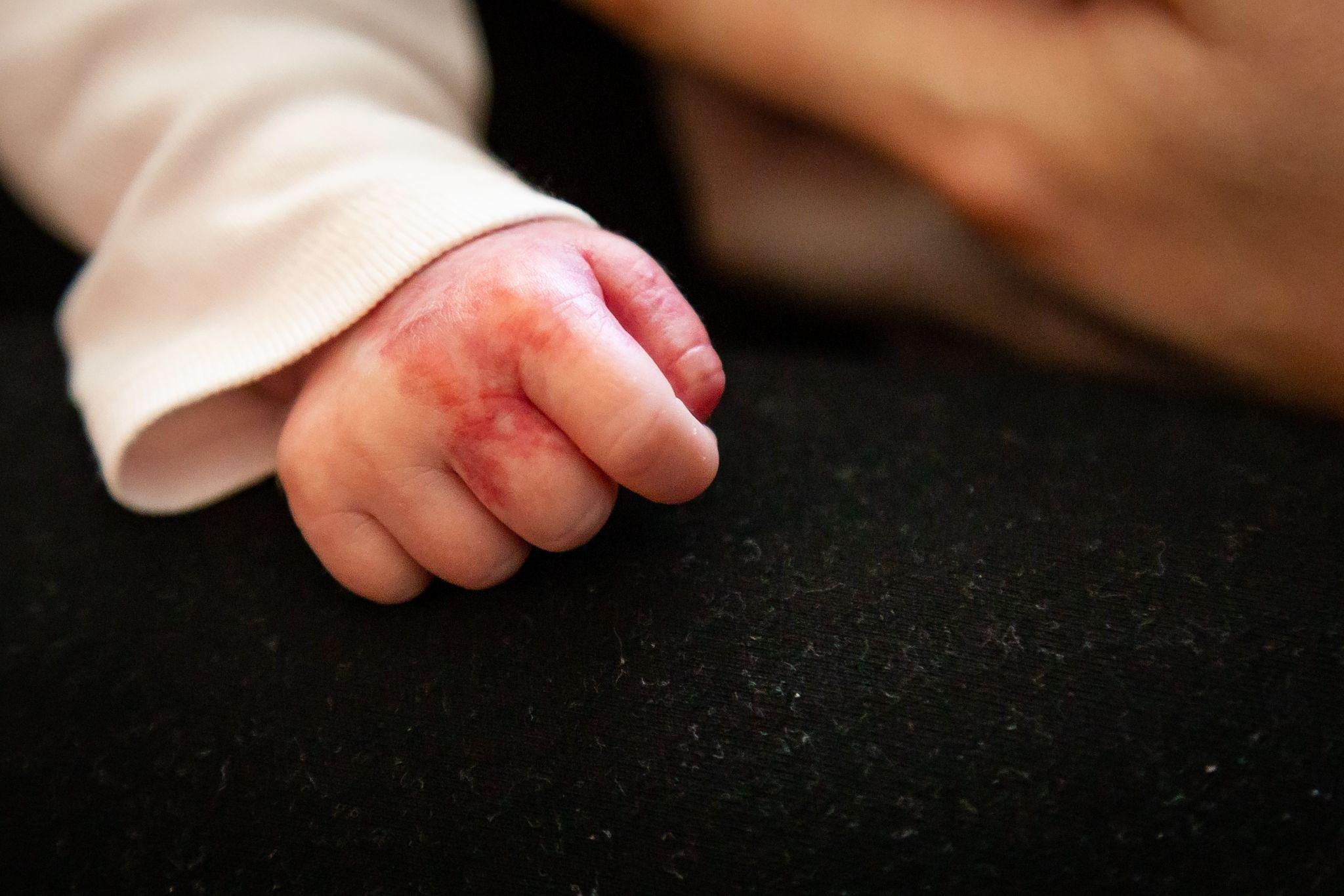
Scabies commonly causes severe itching, especially at night. You may also notice small, pimple-like bumps or thin, irregular lines on the skin called burrows.
The rash often develops between the fingers and around the wrists, elbows, waist, buttocks, nipples, or genital area. Infants and young children may also develop symptoms on the scalp, face, palms, or soles. The CDC’s guidance on scabies symptoms provides additional information about common signs and affected areas.
Because eczema, allergic reactions, insect bites, and other skin conditions can look similar, a medical evaluation can help determine the cause. A healthcare professional may inspect the skin and, in some cases, examine a skin scraping under a microscope.
After a person’s first scabies infestation, symptoms may take several weeks to appear. People who have had scabies before may develop symptoms sooner.
Treatments That Kill Scabies Mites
Moisturizers and antihistamines may help relieve itching, but they do not kill scabies mites. Successful treatment requires appropriate medication used according to medical instructions.
Prescription Creams and Oral Medications
Prescription 5% permethrin cream is commonly used to treat scabies. In some cases, a healthcare professional may recommend oral ivermectin, especially when scabies is difficult to treat or when a person has crusted scabies.
Ivermectin is not suitable for everyone. Before recommending it, a healthcare professional may consider factors such as pregnancy, age, weight, current medications, and other health conditions.
Crusted scabies is a more serious and highly contagious form of scabies. It usually requires close medical supervision and may be treated with both topical and oral medications. The CDC provides more information about scabies treatment and how these medications are used.
How to Apply Scabies Treatment Correctly
When permethrin is prescribed, it is generally applied to clean, dry skin and left in place for the amount of time directed by a healthcare professional, commonly 8 to 14 hours. Adults are often instructed to apply it from the neck down. Infants, older adults, and certain other patients may receive different instructions that include parts of the scalp or face while avoiding the eyes and mouth.
Pay close attention to areas that are easy to miss, including:
-
Between the fingers and toes
-
Under the fingernails
-
Around the navel
-
Groin and buttocks
-
Soles of the feet
If you wash your hands while the medication is supposed to remain on the skin, you may need to reapply it to your hands.
A second application may be recommended depending on the medication and treatment plan. Follow the instructions provided with your prescription rather than applying extra medication, since using more than directed can irritate the skin without necessarily making treatment more effective.
Treating Household Members, Clothing, and Bedding
Treating only one person can allow scabies to spread again. Close household contacts may need treatment at the same time, even if they do not have symptoms.
Wash recently used clothing, towels, and bedding. Items that cannot be washed can be sealed in a plastic bag for several days.
There is usually no need to throw away furniture or use pesticides. The World Health Organization also recommends treating close contacts and cleaning used clothing and bedding to help prevent reinfestation.
Relieving Itching After Scabies Treatment
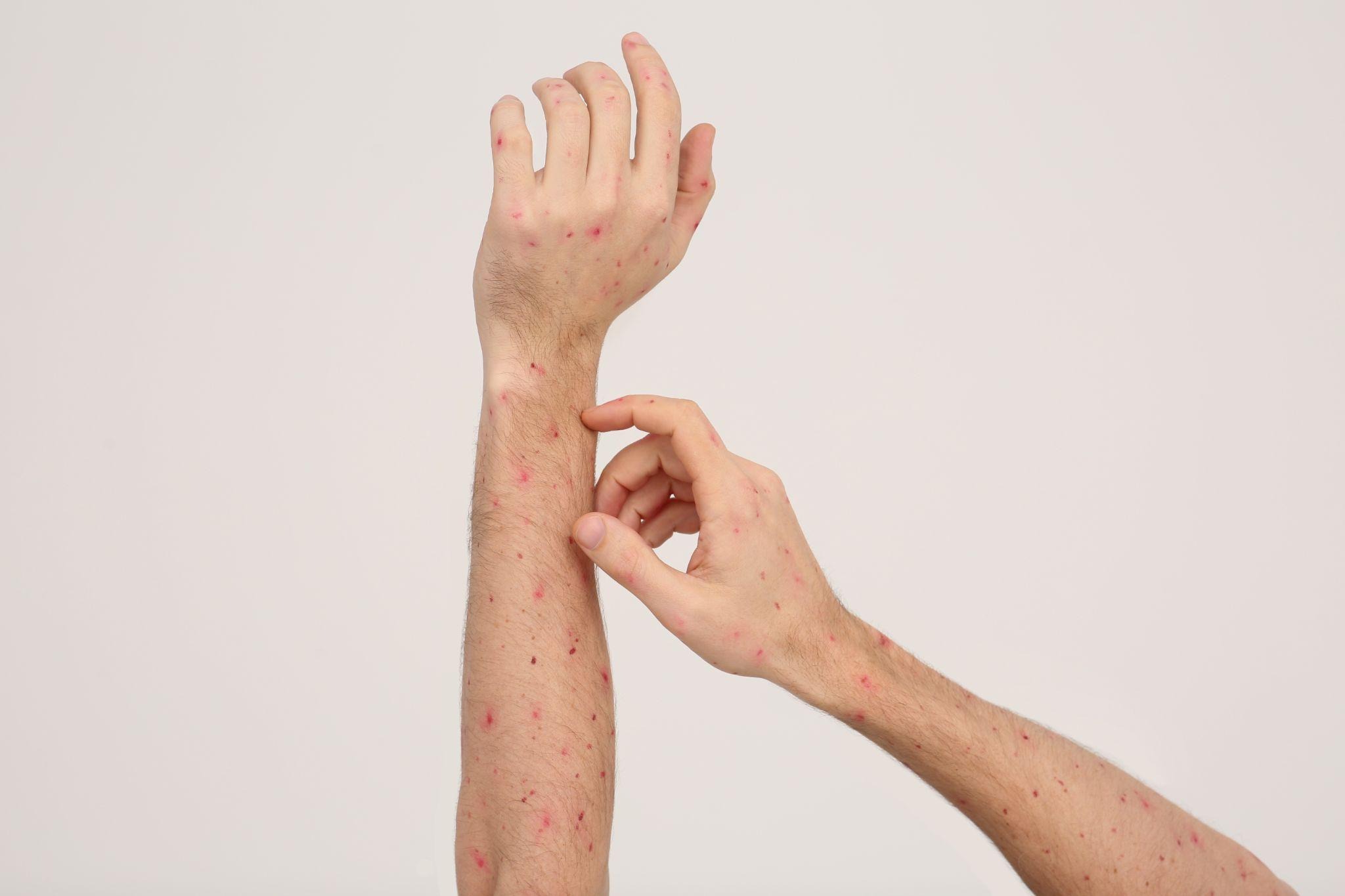
Itching does not always disappear immediately after successful scabies treatment. Skin irritation may continue for several weeks because the body can remain sensitive to the mites and their debris.
Moisturizers and cool compresses may help soothe irritated skin. Depending on your symptoms, a healthcare professional may also recommend an antihistamine or topical corticosteroid to help manage lingering itching or inflammation.
Natural products such as tea tree oil are sometimes promoted as scabies remedies, but evidence supporting them is limited. Essential oils may also irritate or sensitize the skin and should not replace treatment recommended or prescribed by a healthcare professional.
When to Seek Medical Care for Scabies
Because several skin conditions can resemble scabies, consider medical evaluation if you are unsure what is causing your symptoms.
Seek medical care if you develop spreading redness, warmth, pus, fever, thick crusting, or symptoms that continue to worsen. New burrows or rash-like bumps that continue appearing after treatment may also require reevaluation.
Families in Weslaco and throughout the Rio Grande Valley who are concerned about persistent or worsening symptoms can learn more about RGV Direct Care’s acute illness care services for evaluation and individualized guidance.
Conclusion

Effective scabies mite treatment involves more than relieving the itch. Appropriate medication is needed to kill the mites, close contacts may need treatment at the same time, and recently used clothing, towels, and bedding should be cleaned properly to reduce the chance of reinfestation.
RGV Direct Care helps South Texas families understand their symptoms, treatment instructions, and next steps. If you suspect scabies or your symptoms continue after treatment, contact RGV Direct Care to schedule an evaluation and receive guidance based on your individual needs.
How Long Does Scabies Treatment Take to Work?
Treatment begins working after the medication is used correctly, but itching may continue for several weeks. Lingering itching alone does not necessarily mean that mites are still present. New burrows or bumps after treatment should be evaluated by a healthcare professional.
Does Everyone in the Household Need Scabies Treatment?
Household members and others who have had prolonged skin-to-skin or sexual contact with someone who has scabies are generally treated at the same time. This helps reduce the chance of passing the infestation back and forth.
Can Scabies Live in Bedding and Clothing?
Scabies mites can survive away from human skin for a limited time. Clothing, towels, and bedding used during the three days before treatment should be washed in hot water and dried using high heat. Items that cannot be washed can usually be sealed in a plastic bag for at least 72 hours.
Can Scabies Go Away Without Treatment?
Scabies generally requires medication that kills the mites. Products that only relieve itching may make you more comfortable, but they do not eliminate the infestation. A healthcare professional can recommend an appropriate scabies mite treatment based on your individual situation.
How Can I Tell If Scabies Treatment Worked?
Itching may continue even after successful treatment, so itching alone is not always a sign that scabies remains. Improvement in the rash and the absence of new burrows or bumps can be encouraging signs.
If new skin lesions continue to develop, the rash spreads, or symptoms become worse, contact a healthcare professional for reevaluation.